
Sindh Distro CEO Khair Muhammad Kumbher Outlines Practical Steps for Independent Artists

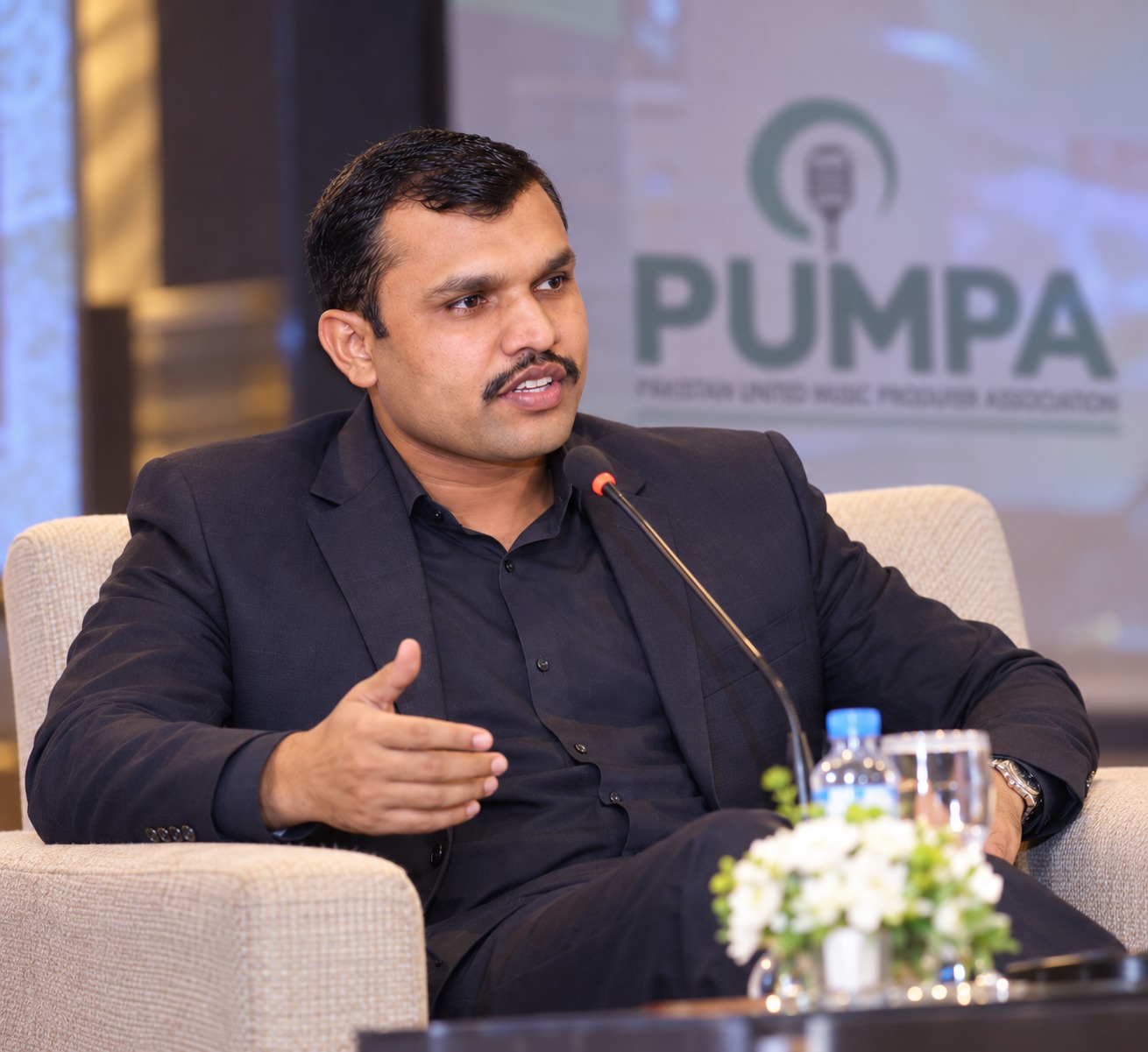
For most independent artists, releasing a song is the easy part. Uploading to a streaming platform takes minutes. What follows is harder: who owns the recording, who collects the money, and who to call when something goes wrong. Khair Muhammad Kumbher, co-founder and CEO of the distribution company Sindh Distro, has built much of his career around those unglamorous questions.
Learning the Hard Way
Khair Muhammad did not begin as a businessman. Born in Khipro, Sindh, in 1993, he taught himself audio editing, mixing, and mastering on a home computer as a teenager. During the COVID-19 pandemic he freelanced in audio work and voice-over narration, and in July 2021 he released his own instrumental album, 8th Night.
He did not see himself primarily as a recording artist. The releases were a way of understanding the process from the inside. If you want to understand what an artist goes through on these platforms, you have to go through it yourself, he says. I learned more from uploading my own album than from any article I read.
The Problem After the Upload
What he found was that talent and access were not the obstacles. Any artist with a phone could reach a streaming service. The gaps lay in ownership, royalty calculation, and accountability. For artists working in Sindhi, Saraiki, Balochi, or Pashto, there was often nobody to ask.
In 2023 he co-founded Sindh Distro with a partner from the same community. Its corporate vehicle, KS Distribution (Private) Limited, was incorporated in 2023. A UK counterpart followed in 2024, with Khair Muhammad as a director.
Distribution as a Data Business
Khair Muhammad describes distribution as a data business before it is a delivery business. Each release is checked for the details that decide who gets paid: the recording’s unique identifier, the names and shares of contributors, ownership of the composition and the master, and the territories where it may be sold.
Every release carries ownership, splits and credits, he says. If that information is wrong at the start, the royalties will be wrong at the end. Nobody fixes it later, because by then nobody remembers.
It is a simple idea, but one many first-time artists overlook. A missing credit or an incorrect split may seem minor on release day, yet it can follow a recording for years.
Serving the Overlooked
Sindh Distro’s clients are mostly artists the mainstream industry tends to miss: folk singers from interior Sindh, young producers in Mirpurkhas and Sanghar, and small labels operating from a single room. The company’s office in Mirpurkhas, a city better known for mangoes than music, has become a point of contact between these artists and the platforms that serve a global audience.
Two Businesses, One Workflow
Alongside distribution, Khair Muhammad runs KS Production, where he continues the recording, editing, mixing, and mastering work he began as a teenager. The two businesses support each other. A singer who records at KS Production can be distributed through Sindh Distro, and a Sindh Distro client whose master falls short of platform standards can be sent to KS Production to fix it.
The production work also keeps him close to the technical side of the industry. He can hear a poorly mastered file, spot an altered metadata field, and recognise a synthetic vocal trying to pass as human, skills that later proved useful in his fraud-prevention work.
Advice for Independent Artists
Through the Anti Music Fraud Task Force, where he serves as Head of Operations, Khair Muhammad has helped publish plain-language guidance for independent artists. The advice is practical:
- Register ownership properly.
- Keep written split sheets for every collaboration.
- Never buy streams.
- Check a distributor’s credentials before signing anything.
None of these steps requires technical expertise. They require habit, and an understanding that protecting a catalogue begins before the first upload.
A Wider Picture
Khair Muhammad is also Vice Chairman of the Pakistan United Music Producer Association (PUMPA), the country’s first federally licensed trade body for independent music, which was admitted to the Worldwide Independent Network in February 2026. The association is pushing for simpler copyright registration, fair licensing terms with streaming platforms, collection of neighbouring rights, and common metadata standards across the sector.
Those goals connect directly to his daily work. The metadata problems he first noticed as a freelancer are the same ones he now hopes the wider sector can solve together.
Where It Began
Looking back, Khair Muhammad credits his family’s support and his own persistence. There were no restrictions at home, he says. Whatever I wanted to do, I was allowed to do it. Through years of work by day and music by night, he kept returning to the computer. I never put the music down.
His message to artists in smaller towns is that location is not a limit. People assume this kind of work has to come from Karachi or Lahore, he says. It does not. It has to come from wherever someone is willing to sit down and do it.
Previously in Business news: From Prototype to Mass Production for a Packaging Launch: Stability Adds 4-6 Months






Comment