
Simple Steps to Maintain Workshop Floors Effectively

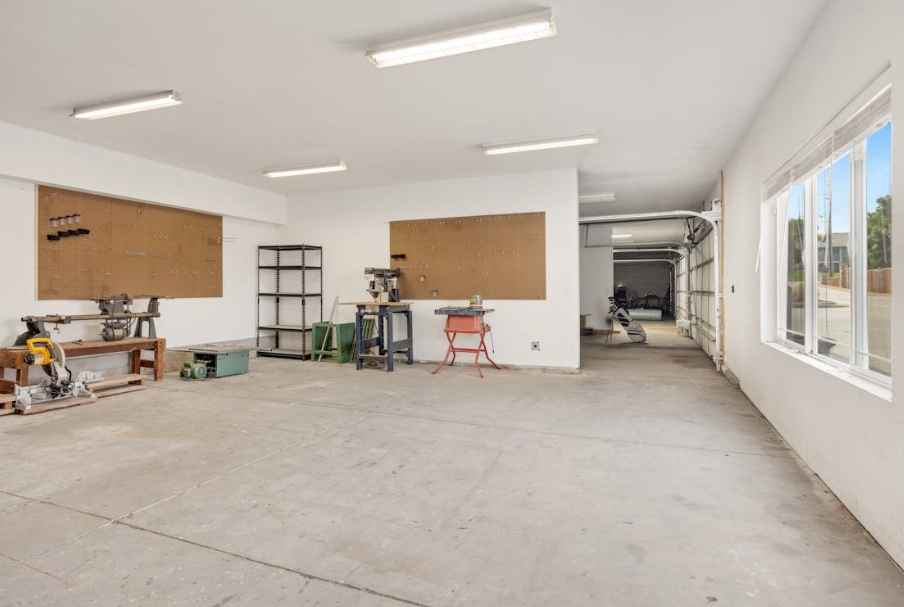
Workshop floors take a beating every single day. From heavy machinery to oil spills, these surfaces face constant stress. Keeping them in top shape keeps your team safe and your business looking sharp.
It does not have to be a complicated chore. A few simple habits can stop grime from building up and prevent costly repairs later. Regular care makes the difference between a professional shop and a messy hazard.
Choose The Best Materials
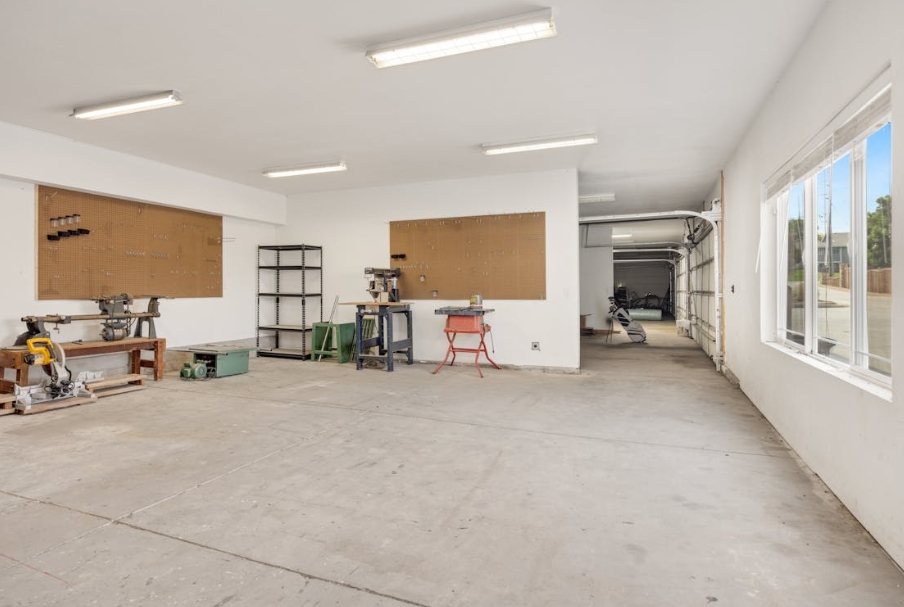
Starting with the right surface saves a lot of trouble later. When you plan a renovation, you must look for the best tile for dealerships to handle high traffic and heavy weights. High-quality materials resist stains better and do not crack under pressure.
Industrial settings need flooring that can stand up to chemicals and tools. Selecting a durable option reduces the time spent on deep cleaning. It provides a solid foundation for all your daily operations. Proper planning now means fewer headaches in the future.
Think about the long-term costs of your flooring choice. Cheaper materials might save money now, but fail under heavy use. Investing in strong surfaces prevents frequent shutdowns for repairs. You want a floor that looks good and works hard for your business.
Create A Daily Cleaning Routine
Consistency is the key to a long-lasting floor. Dust and grit act like sandpaper when tires or boots grind them into the surface. Sweeping at the end of every shift keeps these abrasive particles from doing damage.
Keeping things tidy helps prevent accidents before they happen. An official safety guide explains that failing to keep a workspace orderly can create hazards and unsafe conditions, leading to injuries.
Small piles of debris turn into trip hazards if left overnight. Establishing a clear schedule keeps everyone accountable for their own area.
Your team should know exactly what to do when their shift ends. Assigning specific zones to each person makes the job go faster. It builds a culture of pride and safety in the workshop. A quick sweep prevents grime from becoming a permanent part of the floor.
Manage Spillages Immediately
Oil, coolant, and grease are common in any workshop. These liquids make floors incredibly slick and dangerous for everyone walking by. You should keep a spill kit nearby so you can react the moment a leak occurs. Using absorbent materials helps soak up the worst of the mess quickly.
Cleaning up right away removes contamination that causes slips and trips. A government safety group points out that cleaning manages these risks, but warns that the process itself might create temporary hazards like wet floors. Use caution signs to warn others as the area dries.
Grease left on the floor can ruin the surface. It can seep into porous materials and cause lasting damage. Removing it immediately preserves the integrity of your workspace. It shows customers that you run a tight ship.
Use The Right Equipment
Standard mops often just move dirt around instead of removing it. Investing in a walk-behind scrubber can save hours of manual labor. Using the correct tools makes the job faster and more effective.
A top safety department suggests that effective cleaning uses methods leaving surfaces dry and free from any waste.
- Industrial degreasers break down tough oil patches.
- Stiff-bristled brushes reach into textured surfaces.
- Wet vacuums remove standing water quickly.
- Microfiber pads trap fine dust better than cotton.
Using the wrong chemicals can do more harm than good. Some soaps leave a slippery film that attracts more dirt. Choose detergents designed for your specific floor type.
Organize Your Storage Space
Clutter often hides floor problems that need your attention. When boxes and parts pile up, you cannot see the cracks or stains forming underneath. Moving items off the ground and onto sturdy shelving units creates more space.
Clear paths improve the flow of work in your shop. Workers move faster when they do not have to dodge obstacles in the main aisles. A clean sightline across the floor is a sign of a well-run facility.
Take time to review your layout once a year. You might find better ways to store heavy tools or parts. Keeping the floor clear reduces the risk of someone tripping over hidden objects. It makes the whole shop feel more professional.
Protect Floors From Heavy Equipment
Moving heavy machinery can gouge or scratch your floor surfaces. Using rubber mats or specialized pads under stationary equipment distributes the weight evenly. It is a simple way to extend the life of your flooring.
Train your staff on how to move heavy items safely. Dragging metal objects across the floor should be avoided at all costs. Using dollies or floor jacks with soft wheels prevents unnecessary wear.
Check the wheels on your shop carts regularly. Worn-out or damaged wheels can leave marks that are hard to remove. Replacing a $10 wheel is much cheaper than fixing a damaged floor. It keeps your workspace smooth and efficient.

Inspect For Surface Damage
Monthly checks help you find small issues before they grow into big holes. Look for chips in the coating or loose tiles that could trip someone. Fixing a small crack costs much less than replacing a whole section of the floor. Set aside a specific day each month to walk the floor and look for wear.
Extreme temperatures and heavy loads eventually take a toll. Even the strongest materials might need a fresh seal or a minor patch after a few years.
Paying attention to these details protects your investment for the long haul. Your workshop stays professional and safe for every technician on the clock.
Maintaining your workshop floor is a smart investment in your business. It protects your team and keeps your shop looking its best for customers. By following these easy steps, you can avoid common pitfalls and expensive repairs.







Comment