
Silver vs Platinum Coins: How to Buy Them With Crypto in 2026

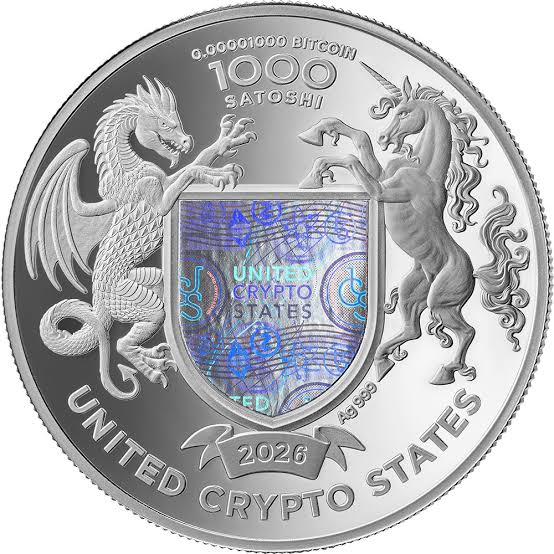
Early on October 25, 2026, Kitco quoted platinum at $1,548 an ounce bid and silver at $53.80. Put simply, the metal in one platinum coin was worth about the same as 29 silver ones. In your hand, that is the gap between a single 30 mm disc and a stack of Silver Maple Leafs weighing roughly 910 grams.
Which metal suits you depends on practical questions: how much room you have, how you will store it and who will buy it back. Dealers that accept crypto usually stock both. The silver coins at BTC Mints, for example, run from single one-ounce pieces to monster boxes and kilo bars, with a filter for each mint or refiner, so you can narrow the list to Royal Mint, Perth Mint or Royal Canadian Mint stock.
Below is a step-by-step way to choose between the two metals and pay for them. It is a practical guide, not investment or tax advice.
What the numbers say about silver and platinum
Kitco put the gold-silver ratio at 74.3 on October 25, so an ounce of gold bought about 74 ounces of silver. Gold was quoted at $3,994.90 the same morning, which made it worth roughly 2.6 ounces of platinum.
Prices can swing hard. Kitco lists silver’s record as $121.67, set on January 29, 2026, so this week’s price sits at less than half that peak. Kitco also notes that platinum traded above gold for most of the 2000s and below it for most years since, despite “a far smaller annual mine supply”.
The reference prices behind dealer quotes come from London. According to the LBMA, the LBMA Silver Price is set once a day in an auction that starts at midday London time, while the platinum price is set twice daily, at 9:45 and 14:00, in auctions run by ICE Benchmark Administration.
Step 1: Choose the metal by space and resale
Silver suits buyers who want to start small and add a coin at a time. The trade-off is bulk. A few thousand dollars of silver fills tubes and boxes, and it needs dry storage, because silver can tarnish or spot if moisture gets in. Platinum packs the same value into a fraction of the space and does not tarnish in normal conditions.
Resale is the other half of the decision. One-ounce silver coins from national mints are bought by almost every coin shop and dealer. Platinum has a thinner market, so find out who would buy it back before you pay.
Step 2: Pick a coin with published specifications
Stick to coins whose mint publishes the weight, purity and size, so you can check what arrives. These figures come from each mint’s own pages:
- Silver Maple Leaf (Royal Canadian Mint): 99.99% silver, 31.39 g, 38 mm, $5 face value.
- Silver Britannia (The Royal Mint): 999 fine silver, with four security features listed on its 2026 product pages: micro-text, a latent image, tincture lines and surface animation.
- American Silver Eagle (US Mint): .999 fine silver, 31.103 g, $1 face value.
- Platinum Maple Leaf (Royal Canadian Mint): 99.95% platinum, 31.11 g, 30 mm, $50 face value.
- American Platinum Eagle (US Mint): .9995 purity, 31.120 g, $100 face value.
Some weigh slightly more than one troy ounce (31.103 g), so a reading a little above that is normal. One well below it is not.
Platinum choices are narrower than silver. The BTC Mints platinum range shows a typical line-up: one-ounce Maple Leaf, American Eagle, Britannia, Philharmonic and Kangaroo coins, alongside small bars weighing between 10 and 100 grams, with the metal listed at 99.95% purity.
Step 3: Choose what you pay with, and on which network
Mainstream dealers use payment processors. APMEX runs its crypto checkout through BitPay with a $250,000 order cap, and JM Bullion gives buyers 15 minutes to pay a crypto invoice and converts the payment to dollars on receipt. BTC Mints, a crypto-first dealer, names Bitcoin, Ether and the USDT and USDC stablecoins among its options, across several networks.
The checkout itself follows the same pattern almost everywhere:
- Add the coins to your cart and pick the currency you will pay with.
- Copy the address, the exact amount and the network name from the invoice.
- If you are paying from an exchange, check its withdrawal fee and how long it takes to release funds, because a slow withdrawal can outlast the invoice window.
- Send the full amount in one transaction and save the transaction ID.
Timing differs by coin. BTC Mints says Bitcoin payments usually confirm in 10 to 30 minutes, and faster on most other networks. It fixes the total at the price shown when you order and your payment confirms on-chain. Until then nothing is locked, and if you underpay or overpay, its help pages ask for the order number and transaction ID so the payment can be reconciled.
Step 4: Plan delivery, customs and storage
Read the shipping terms before checkout. BTC Mints’ shipping page, for example, says it covers each parcel for its full declared value, asks for a signature on arrival, usually dispatches in-stock orders within one business day of payment confirmation, and quotes 2 to 5 business days for domestic delivery and 5 to 10 for international. Import duty, VAT and customs charges are the buyer’s responsibility, and loss or damage must be reported within seven days.
Tax at the border is where silver and platinum differ from gold. Britain’s VAT Notice 701/21 describes supplies of investment gold as normally exempt from VAT. That relief is written for gold, so a silver or platinum parcel can attract import VAT where the same value in gold coins would not. Rules vary by country, so look up your own before ordering from abroad.
For storage, keep silver in its mint tubes or capsules, handle coins by the edges and add a sachet of silica gel to the box. For larger holdings, use a bolted-down safe or a bank safe-deposit box, and check whether your home insurance caps valuables.
Step 5: Know your exit before you buy
Ask how the dealer buys metal back. At BTC Mints, sealed items sent back in the first week after delivery are bought at the live spot rate and paid out in crypto. After that window it quotes on pieces it originally sold, based on spot and the item’s condition.
Keep coins in their original packaging and favour well-known designs, which a local dealer can price quickly. Tax treatment of both the crypto you spend and the metal you later sell varies from country to country, so file every invoice next to its transaction record.
Final thoughts
Silver lets you build slowly with coins that almost any dealer will buy, at the cost of space and care. Platinum fits a lot of value into one small coin but has fewer buyers. Pick the metal first, choose a coin with published specifications, pay on the network shown on the invoice and read the delivery and buyback terms before you send anything.







Comment