Many founders mistake rapid growth for long-term success. They often focus on increasing volume and turnover without building the systems needed to support that expansion. When a company grows too fast on a weak foundation, the pressure eventually leads to internal collapse or operational failure. Building a business that can handle millions of customers across dozens of borders requires a precise structural blueprint rather than just aggressive marketing.
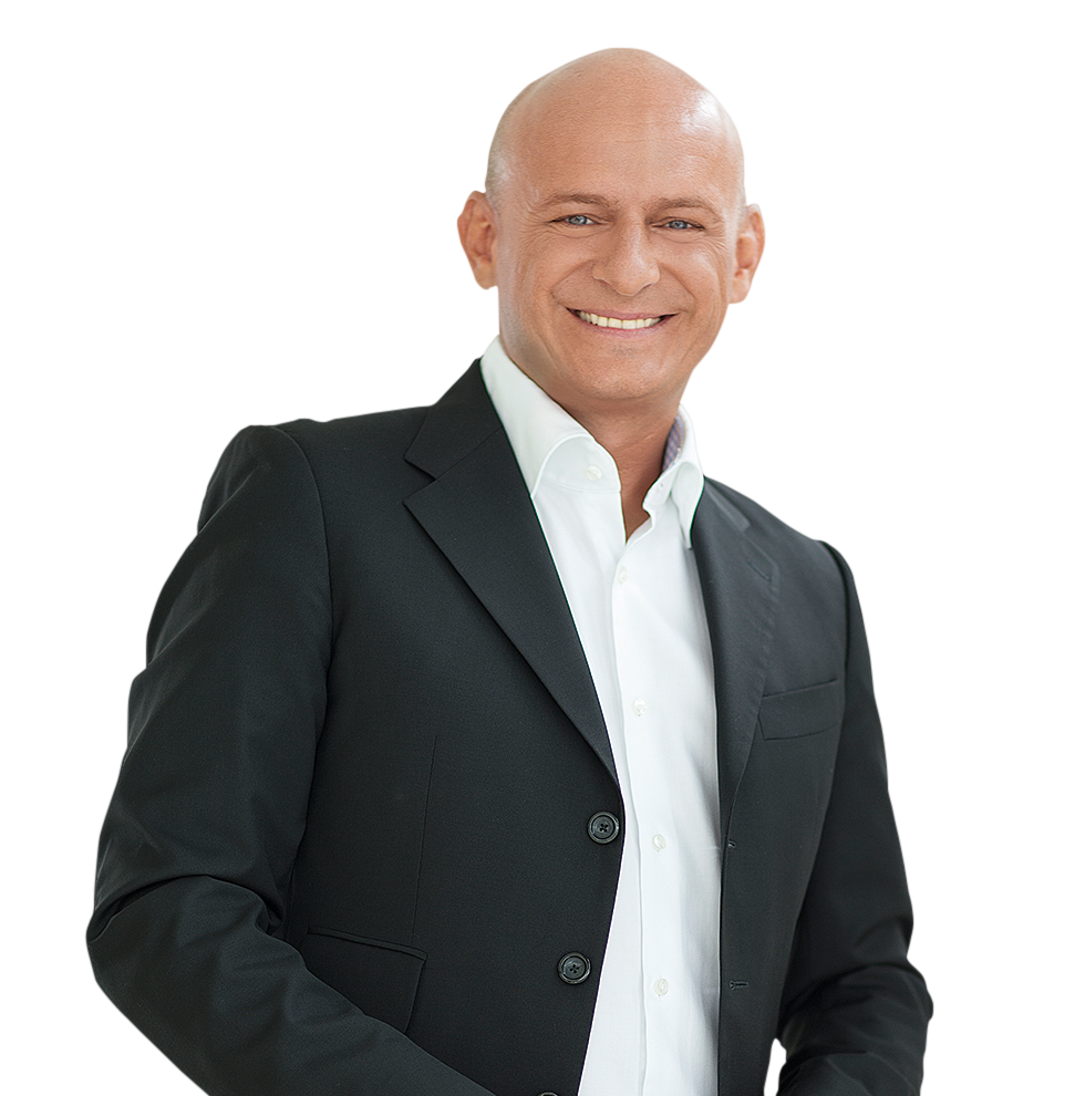
Hubert Freidl is a business architect who has mastered the art of global scaling. Over 25 years, he built a presence in 50 countries and reached millions of customers without relying on outside capital. Now based in Dubai, he advises ventures on how to create resilient and scalable business models through his specific “Structure First” methodology. This interview explores his principles for building international enterprises that stand the test of time.
Q: You managed to expand into 50 countries while remaining independent of outside investors. What was the most critical factor in achieving that level of global reach?
Hubert Freidl: The most critical factor was building distribution before building infrastructure. Most founders do it the other way around — they invest heavily in structure, then try to find customers. We found the right partners in each market first and built the systems around what was actually working. Capital follows proven models. It does not create them. When you grow through partners rather than payroll, you scale without the fixed cost base that kills most international expansions.
Q: You often mention that founders confuse growth with scale. How do you define the difference, and why is this distinction vital for a company’s survival?
Hubert Freidl: Growth is adding more. Scale is adding more without proportionally adding cost, complexity, or risk. A business that doubles its revenue by doubling its headcount has grown. A business that doubles its revenue on the same foundation has scaled. The distinction is survival-critical because growth without scale creates a ceiling — and when you hit it at speed, the damage is severe. I have seen businesses celebrate record revenues in the same quarter they began to collapse internally. The numbers looked right. The structure did not.
Q: During the pandemic, you chose to sell your private aircraft and reduce your own salary to zero to support your employees. How did that experience change your approach to economic resilience?
Hubert Freidl: It confirmed something I had always believed but had never been forced to prove — that a leader’s personal commitment to the people around them is not a soft value. It is a structural one. When people know you will not abandon them, they do not abandon the mission. We kept the organisation together through the worst conditions I have ever seen in business. Did everything survive? No. But the decision to give everything I had rather than protect myself first is one I would make again without hesitation. Economic resilience starts with the decision that you personally will be the last one to benefit and the last one to leave.
Q: Your advisory work prioritises “structure first” above all else. Why must a founder perfect their business model before they move on to strategy or execution?
Hubert Freidl: Because strategy without structure is theory, and execution without structure is chaos. Most founders want to move fast — and speed is valuable. But speed in the wrong direction compounds the problem. I have worked with founders who were executing brilliantly on a model that was fundamentally broken. The harder they worked, the deeper the problem became. Structure first means asking the questions that most people avoid: How does this business actually make money at scale? What breaks first when volume doubles? Who owns what decision? Get those answers right before you accelerate. Once you have the structure, execution becomes almost mechanical.
Q: You have established your base of operations in Dubai. What specific structural advantages does this location provide for leaders building international platform models?
Hubert Freidl: Dubai sits at the intersection of Europe, Asia, Africa, and the Gulf — geographically and economically. For anyone building international platform models, that matters enormously. The regulatory environment is designed for business. The time zone allows you to operate across most of the world in a single working day. The network of founders, investors, and decision-makers here is unlike anything I have experienced in Europe. And there is something in the culture of Dubai itself — an ambition and a speed of execution — that aligns with how I think about building. It is not the easiest place to operate. But it is the right place for what I am building with Salters Advisory.
Q: When successful founders attempt to enter new international markets, what is the most common mistake you see them make?
Hubert Freidl: They export their home market model without adaptation. They assume that what worked domestically will work internationally with minor adjustments — a translated website, a local sales hire, a regional office. It rarely does. Every market has its own logic — cultural, regulatory, economic. The founders who succeed internationally are those who ask first: what does this market actually need, and how do we build for that specifically? Not: how do we replicate what we already have? I have entered over 50 markets. The ones that worked were the ones where we listened before we built. The ones that failed were the ones where we assumed we already knew.
The insights from this discussion highlight a fundamental rule for modern entrepreneurs: structural integrity is the priority. Success on a global stage comes from building systems that function independently of the founder’s daily input. High-speed growth is only an asset if the underlying framework can support the weight of new markets, diverse regulations, and a growing customer base.
As global markets become more volatile, the need for robust business architecture will only increase. Leaders who prioritise solid foundations over quick wins will be the ones who create lasting value and navigate future economic shifts. By focusing on scalable systems now, founders can ensure their ventures remain resilient and ready for the next decade of business.
To learn more visit https://hubertfreidl.com/ and connect with Salters Advisory at https://salters.com/