
Roof Racks for Modern Vehicles: How to Choose a Safe, Practical Setup

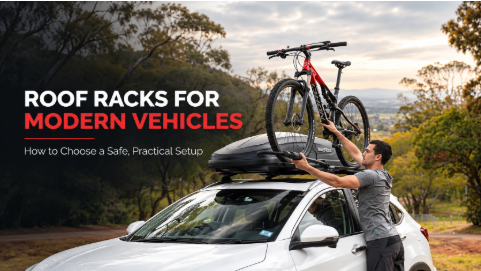
Modern vehicles are expected to do more than provide everyday transportation. From carrying camping equipment and sporting gear to supporting work-related transport, drivers increasingly need flexible ways to use the space available in their vehicles. A roof rack can help meet these needs, but choosing the right system requires more than checking whether a set of bars fits the roof.
The best roof rack setup depends on vehicle compatibility, load capacity, the equipment being transported and the driver’s regular travel requirements. Understanding these factors can help vehicle owners make more informed decisions and avoid unnecessary purchases.
What Is a Roof Rack and Why Does It Matter?
A roof rack is a vehicle-mounted system that provides an additional platform for carrying compatible equipment. Depending on the design, it may consist of crossbars, mounting feet, rails or a larger platform.
Roof racks can support accessories such as cargo boxes, bicycle carriers, kayak mounts, awnings and selected work equipment. They are particularly useful for SUVs, four-wheel drives, wagons and vehicles used for outdoor recreation.
However, roof racks are not universal. A suitable system must match the vehicle’s roof configuration and comply with the manufacturer’s load limits.
Five Things to Check Before Choosing a Roof Rack
- Confirm vehicle compatibility
Start by identifying the vehicle’s make, model and year. Roof designs vary, even between vehicles in the same category.
- Raised roof rails have a visible gap beneath the rails.
- Flush rails sit close to the roof and may require specific mounting hardware.
- Bare roofs generally need a compatible clamp or mounting system.
Confirm compatibility before purchasing a rack or additional accessories.
- Understand load capacity
A roof rack’s advertised capacity is only one part of the equation. The vehicle manufacturer’s roof-load limit and the ratings of the rack and accessories must also be considered.
Include the weight of the rack and the equipment being carried when checking the permitted load. Follow the relevant manufacturer instructions rather than assuming the strongest component determines the capacity of the complete setup.
- Match the design to the intended use
Different rack configurations serve different purposes. Crossbars may suit everyday luggage or selected accessories, while platforms can provide mounting options for compatible touring equipment. Ladder racks may be more appropriate for certain trade applications.
Consider what you intend to carry most often instead of buying a larger system simply because it offers more mounting space.
- Account for vehicle height and aerodynamics
Roof-mounted equipment increases overall vehicle height and can affect wind resistance and noise. This matters when entering underground car parks, using height-restricted facilities or travelling with bulky accessories.
Check the vehicle’s total height with the rack and its load installed. Remove accessories when they are no longer needed, where practical and permitted by the manufacturer’s instructions.
- Prioritise correct fitting and secure loading
Correct installation helps ensure that the rack and mounting hardware are suitable for the vehicle. Loads should be secured using appropriate equipment and positioned according to the product instructions.
Before a trip, inspect the fittings, check that accessories are locked or secured as intended, and make sure the load cannot shift during braking or cornering.
Can You Install a Roof Rack on Any Car?
Not every roof rack fits every car. Many vehicles can accommodate a suitable roof rack system, but compatibility depends on the roof design, mounting points, manufacturer restrictions and the rack’s approved applications.
Professional advice can help identify suitable options, particularly when a vehicle has an unusual roof configuration or needs to carry specialised equipment.
Drivers in Australia can explore roof rack installation in Sydney through Bars N Racks, an automotive accessories business based in Brookvale. Its roof-rack offering includes different bar configurations and accessories for a range of vehicle and carrying requirements.
Frequently Asked Questions
Are roof racks suitable for SUVs and four-wheel drives?
Yes, many SUVs and four-wheel drives can use compatible roof rack systems. The correct choice depends on the vehicle’s roof design, permitted load and intended use.
Do roof racks affect fuel consumption?
Roof racks and their loads can increase aerodynamic drag, potentially increasing fuel or energy consumption. The effect varies with vehicle speed, rack design, accessories and load.
Should a roof rack be professionally installed?
Professional fitting can help confirm compatibility, appropriate mounting hardware and correct installation. Always follow the rack and vehicle manufacturers’ instructions.
Make the Setup Fit the Vehicle
A well-chosen roof rack can make a vehicle more versatile for travel, recreation and work. The key is to start with the vehicle’s specifications, select a system suited to the equipment being carried, and pay attention to load limits and installation.
Taking these steps before purchasing can help drivers build a practical carrying setup without overlooking the safety requirements that come with transporting equipment on a vehicle roof.







Comment