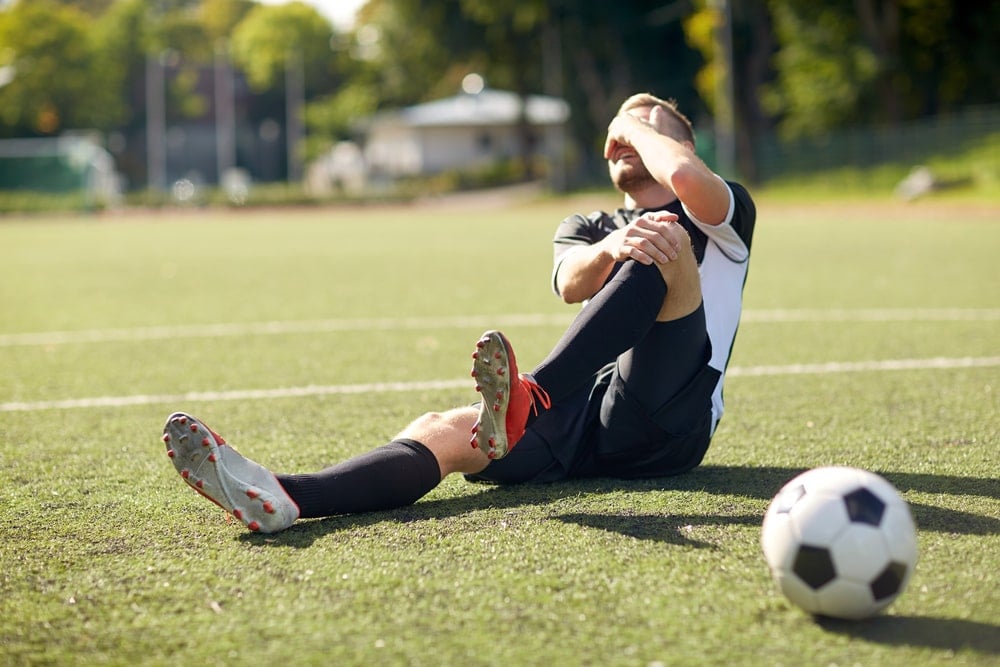
For many athletes and fitness enthusiasts, getting injured is only half the battle. The other challenge is knowing when—and how—to return to sports safely.
It’s understandable to want to get back as quickly as possible. Whether it’s missing team practice, an upcoming tournament, or simply the routine of regular workouts, being sidelined can be frustrating. The temptation to jump back in often starts long before the body is fully ready.
Unfortunately, that’s where problems begin.
Sports medicine specialists frequently see athletes who re-injure themselves not because the original injury was severe, but because they returned too soon or skipped important parts of the recovery process.
A successful comeback isn’t just about feeling better. It’s about making sure the injured area can handle the demands of the sport again.
Why a Safe Return Matters
After an injury, pain often improves before the body has completely healed.
This is where many people get caught off guard. The swelling may be gone, daily activities may feel normal, and confidence starts to return. Naturally, it seems like the perfect time to resume training.
The problem is that tissues such as muscles, tendons, ligaments, and bones often require more time to regain their full strength.
Returning too early can place stress on structures that are still recovering. In some cases, this may turn a minor setback into a long-term issue.
A safe return isn’t about being overly cautious. It’s about reducing the chances of ending up back at square one a few weeks later.
Returning Too Soon After Injury
This is probably the most common mistake athletes make.
The moment pain decreases, many assume they’re ready to pick up exactly where they left off. A runner attempts their usual distance. A football player joins a full training session. A gym enthusiast heads straight back to heavy lifting.
The body, however, doesn’t always share that enthusiasm.
Recovery isn’t simply about eliminating symptoms. It’s about restoring strength, flexibility, balance, endurance, and movement quality. Even when discomfort has faded, these areas may still need work.
One situation sports medicine professionals encounter regularly is the athlete who feels great during the first session back, only to experience pain and swelling later that evening or the next day.
That’s often a sign the body wasn’t quite ready for that level of activity.
Ignoring Pain and Warning Signs
Athletes are often praised for their toughness.
In some situations, that mindset can be helpful. In others, it can create problems.
There’s a difference between working through normal training discomfort and ignoring pain that signals something isn’t right. The challenge is that many athletes convince themselves that recurring pain is just part of the process.
It usually isn’t.
Sharp pain, increasing soreness, swelling, instability, or reduced performance are all signs that deserve attention. These symptoms don’t automatically mean a serious injury has occurred, but they shouldn’t be dismissed either.
Listening to the body isn’t a sign of weakness. In many cases, it’s what helps athletes stay active in the long run.
Skipping Rehabilitation Exercises
Once pain improves, rehabilitation exercises can start to feel unnecessary.
This is another common mistake.
Many athletes complete only part of their rehabilitation program before returning to sport. They focus on feeling better rather than restoring full function.
The issue is that rehabilitation serves a purpose beyond pain relief.
Exercises prescribed during recovery often target weakness, mobility limitations, balance deficits, and movement patterns that may have contributed to the injury in the first place. Skipping these steps can leave the body vulnerable when training intensity increases again.
It’s not unusual for athletes to spend weeks recovering from an injury only to experience a similar problem because rehabilitation wasn’t fully completed.
Recovery and rehabilitation aren’t exactly the same thing.
Neglecting Warm-Up and Conditioning
After time away from sports, fitness levels rarely remain exactly where they were before the injury.
That’s perfectly normal.
What creates problems is expecting the body to perform at the same level immediately after returning.
A proper warm-up becomes even more important during this phase. Muscles, joints, and connective tissues need time to prepare for activity, particularly after a period of reduced movement.
Conditioning matters just as much.
An athlete returning after several weeks of rest may still possess the technical skills required for their sport, but cardiovascular fitness, strength, and endurance often take longer to rebuild.
Trying to compete at full intensity without rebuilding those foundations can increase injury risk considerably.
How to Return to Sports Safely
There’s no universal timeline that works for everyone.
A recreational runner recovering from a mild strain will have a different recovery path than a competitive athlete returning from ligament surgery. What matters most is following a structured progression rather than relying solely on how you feel on a particular day.
A safer return often involves:
Follow Medical Advice
Clearance from a healthcare professional helps ensure that healing has progressed appropriately before returning to sport.
Progress Gradually
Instead of jumping straight into full competition, increase training intensity step by step. This gives the body an opportunity to adapt.
Continue Rehabilitation
Even after returning to activity, ongoing strength and mobility work can help support long-term recovery.
Monitor Symptoms
Pay attention to how your body responds during and after exercise. Lingering pain or swelling may indicate the need for adjustments.
Focus on Overall Conditioning
Strength, flexibility, balance, and endurance all play a role in reducing injury risk. Recovery shouldn’t focus on only one area.
Conclusion
Returning to sports after an injury can be exciting, but it’s also a stage where many athletes make avoidable mistakes. Rushing back too soon, ignoring warning signs, skipping rehabilitation, or neglecting conditioning can increase the likelihood of setbacks and re-injury.
A successful return is rarely about speed. More often, it’s about preparation.
Giving the body enough time to heal, rebuild strength, and regain confidence can make a significant difference in long-term performance and injury prevention.
If you’re recovering from a sports-related injury, seeking guidance from a sports injury centre in Bangalore can help ensure a structured and safe return to activity. Consulting the best sports injury doctor in Bangalore can also provide personalized recommendations based on your sport, fitness level, and recovery progress.