
Real Motors Expands Future Machines Team Adding former Live Wire CTO to Drive Project : ARES and introduces disruptive Manufacto Process

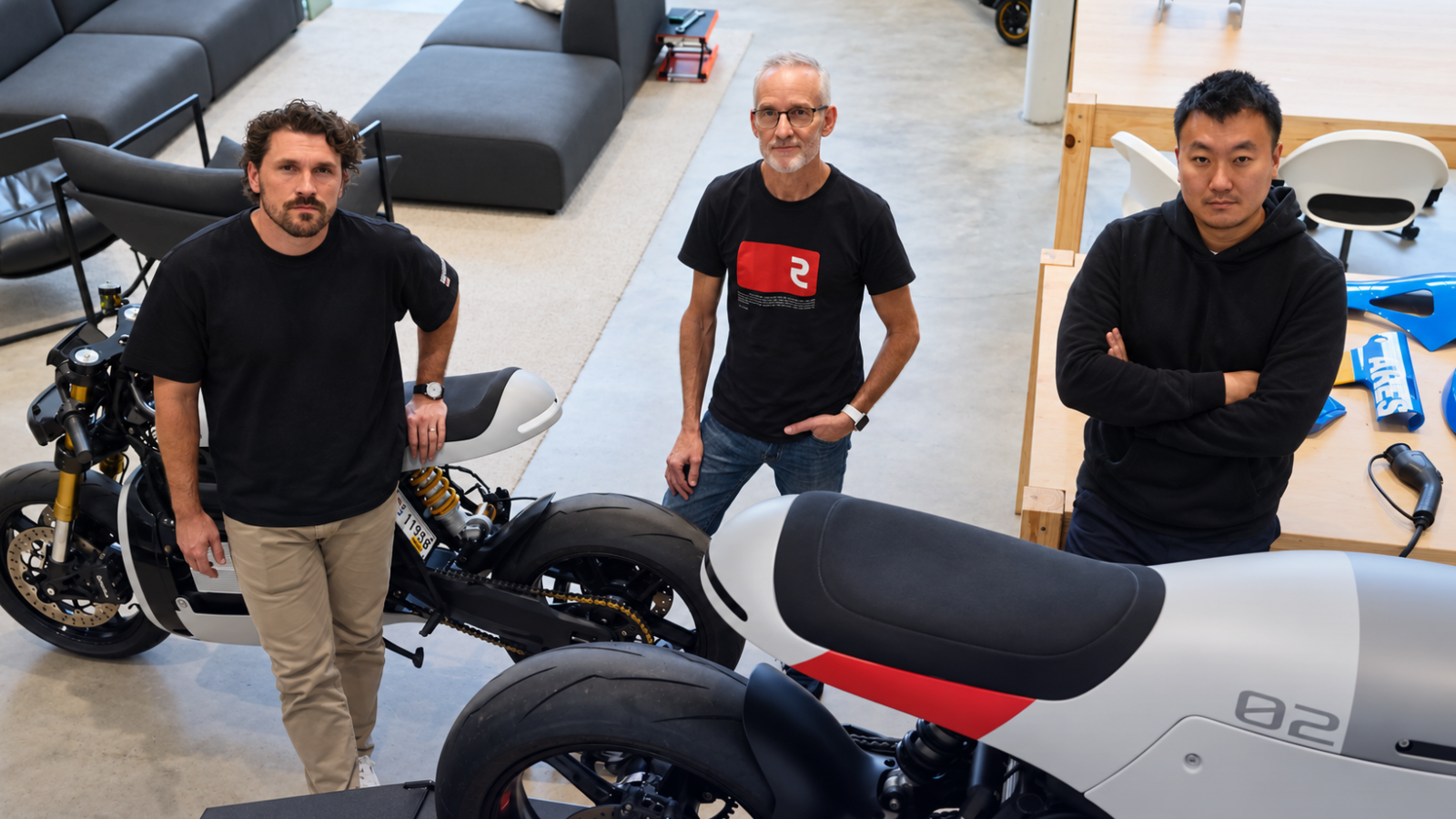
The Greenville, South Carolina-based engineering initiative Real Motors is known for its Future Machines and Project : ARES . The team has now expanded to include former LiveWire CTO Vance Strader as its first chief technology officer, bringing decades of motorcycle engineering experience to the development of Project : ARES, the company’s electric neo café racer as well as other future mobility projects.
Strader will help guide ARES from prototype towards repeatable production using the team’s Manufacto , Real Motors’ approach to bringing research, prototyping and manufacturing into a shared engineering environment.
For co-founders Trent Dingman and Michael Feng, the appointment adds a motorcycle development specialist to a project rooted in their shared interests in engineering, design and science fiction. They founded Real Motors in 2022 and describe its mechanical projects as Future Machines.
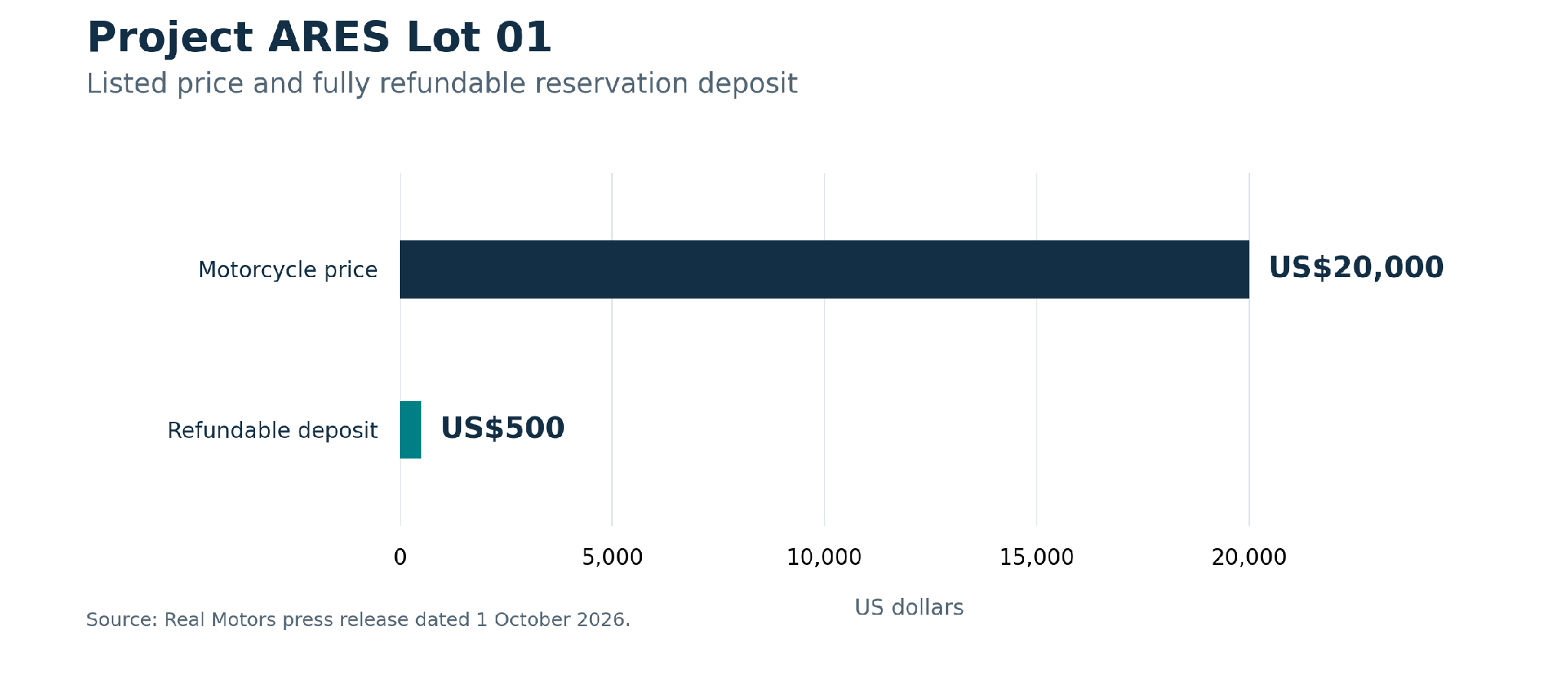
Project : ARES is the company’s first Future Machine. Its current release, Lot 01, is limited to 250 motorcycles and priced at US$20,000, according to the announcement. Real Motors says reservations are available with a fully refundable US$500 deposit.
“Our mission goes beyond crafting an exceptional motorbike; we are assembling a dedicated group united by engineering excellence and an intuitive grasp of rider desires,” Dingman, co-founder and head of operations and communications, said in the release.
“Vance adds deep motorcycle development expertise to our lineup. We are thrilled to welcome him as we transition ARES into production and continue our broader quest to construct machines imbued with spirit.”
The announcement connects the development of Project : ARES with the company’s broader manufacturing plans. Strader’s responsibilities include the supply chain, manufacturing processes and quality systems associated with taking the motorcycle towards production. The founders describe the vehicle as an exploration of the relationship between people and machines, expressed through its engineering, performance and design.
A motorcycle career spanning engineering and electrification
Strader joins Real Motors after serving as CTO of LiveWire. His career has included engineering leadership roles at Harley-Davidson and earlier engineering work at Buell Motorcycles, according to the company materials.
He worked on Harley-Davidson’s electric motorcycle programme from its early development through the launch of the first LiveWire motorcycle in 2019. His subsequent experience included LiveWire’s development into a standalone electric motorcycle company.
The Real Motors announcement describes a career spanning advanced engineering, electrification and the development of complex physical products from concept to production. At ARES, that experience is being applied to a specific brief: helping turn the prototype into a repeatable production motorcycle with the intended performance and craftsmanship.
His company biography sets out the areas involved in that work. Alongside the supply chain and manufacturing processes, it identifies materials, tolerances and quality systems. It also describes his interest in product development methods and the application of technology to US manufacturing.
Strader’s connection with motorcycles began long before his leadership roles. He started riding at around 15 and later relied on motorcycles as his only transport for nearly four years. His biography records approximately 45,000 miles on a 1989 Suzuki Katana 600, one of his early prized motorcycles.
He holds a bachelor’s degree in mechanical engineering from Loyola Marymount University and an MBA from Northwestern University’s Kellogg School of Management. Beyond motorcycles, the biography describes his interest in craft and physical design through the renovation of a mid-century-modern home.
In the press release, Strader places the rider’s experience at the centre of his description of a future machine.
“A future machine isn’t defined by a spec sheet. It’s the total experience: how it’s engineered, how it’s designed, how it feels and how you connect with it,” he said.
“Technology matters, but the real breakthrough is when all of those elements come together to create something people genuinely desire to ride.”
The engineering partnership behind Real Motors
The founders’ collaboration began at Techtronic Industries, where Dingman and Feng worked as engineers on next-generation power equipment. Their joint work led to multiple inventions and patents, including approaches to mower blades, deck-mounting systems and removable seating, according to the company’s background account.
Alongside those projects, they discovered a shared fascination with science fiction and future machines. Their discussions about mobility and the possibilities of mechanical design became part of the origin of Real Motors.
They established the company in 2022 to explore those interests through engineering projects. The term Future Machines became their description for the resulting work, with Project : ARES its first vehicle expression.
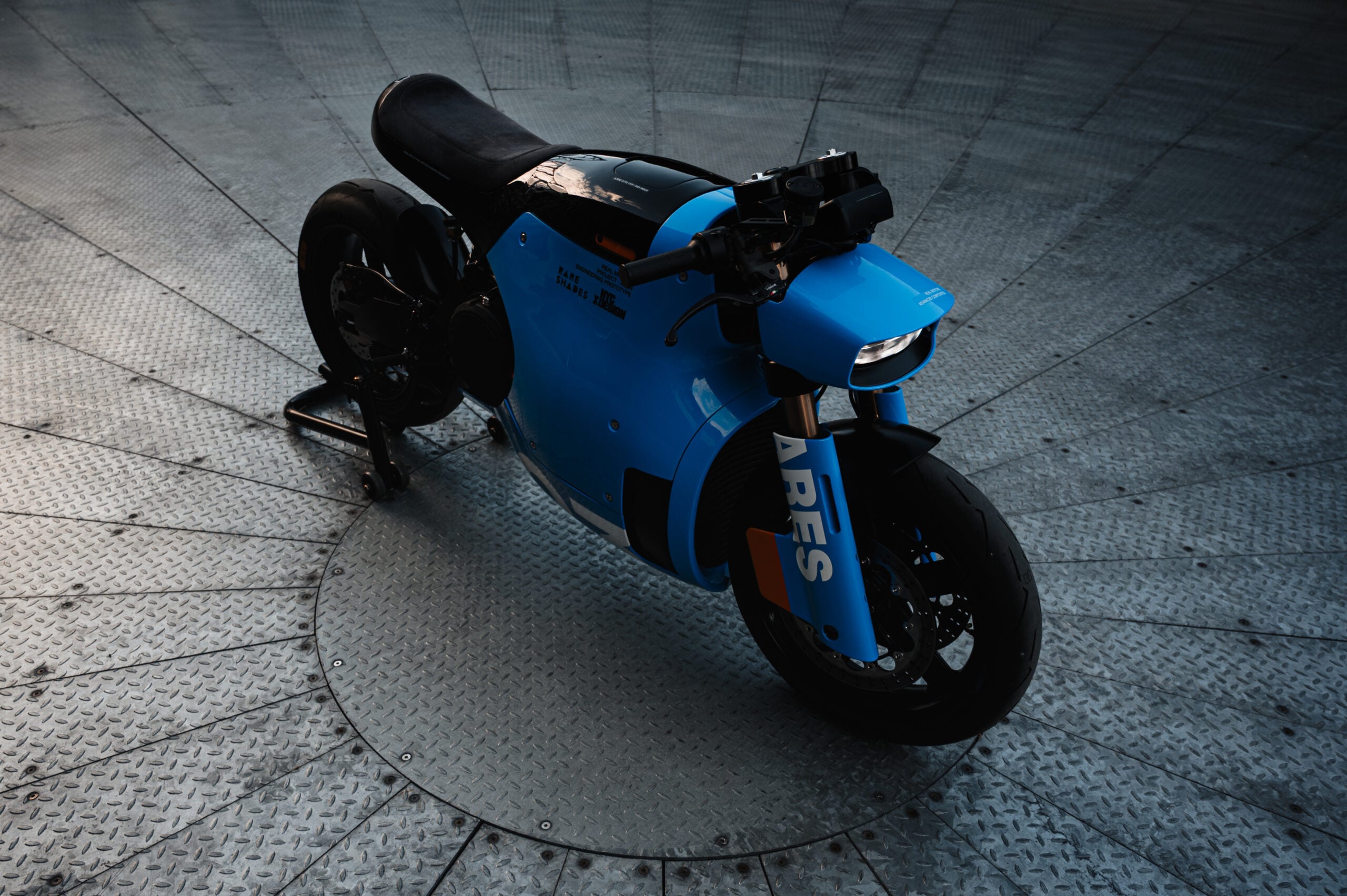
Dingman’s professional background includes eight years at Techtronic Industries, developing electric riding equipment for brands including Ryobi and HART. His responsibilities covered several stages of the product’s life, from design through to after-sales service. He also co-founded Makeit Inc., applying his engineering and entrepreneurial experience to building businesses.
At Real Motors, Dingman leads operations and communications. His biography credits him with bringing together the team developing Project : ARES and describes his approach as centred on small, capable groups with the freedom to challenge established ideas.
A mechanical engineering graduate of the University at Buffalo, he is also a former Division I rugby player. He credits competitive sport with helping shape his approach to leadership, problem-solving and team building. The company materials describe his speaking work at industry and entrepreneurial events on mobility, manufacturing, design and innovation.
His interest in futurism extends to the relationship between technology, culture and human behaviour. In the background material, he describes engineering as an active way of shaping the machines people will use.
“The future isn’t something we should wait for. It’s something we should engineer. We’re entering an era where mobility moves beyond transportation and machines become more intelligent, adaptable and personal,” Dingman said.
“At Real Motors, we’re engineering for that future, not simply imagining the next vehicle, but rethinking what a machine can be.”
Michael Feng and the design of Project : ARES
Feng, Real Motors’ co-founder and design engineer, has helped shape ARES from concept through its development as an electric motorcycle. His company biography describes a practice spanning engineering, product design and entrepreneurship, with a particular interest in the emotional relationship between people and the things they use.
He is a co-inventor on the US design patent for Project : ARES, according to the biography. The motorcycle brings together café-racer heritage and science-fiction-inspired design, reflecting interests he shares with Dingman.
Feng holds a master’s degree in automotive engineering from Clemson University’s International Center for Automotive Research, known as CU-ICAR. He also holds a master’s degree in economics from the university’s Wilbur O. and Ann Powers College of Business.
Originally from China and fluent in Mandarin and English, he brings an international background to his work in design and engineering. His biography describes economics as another influence on his thinking about business and the relationship between industry and society.
Within Real Motors, Feng’s interests include materials, manufacturing methods and the psychological connection between people and machines. The company presents ARES as an opportunity to explore those subjects through a physical vehicle.
“The machines of the future shouldn’t simply be smarter or more efficient. They should be objects of desire,” Feng said in the background material.
He describes ARES as a form of personal expression, with the road becoming a runway and the motorcycle a statement to be seen and experienced. That description accompanies a design approach focused on simplicity, physical interaction and the relationship between the rider and the machine.
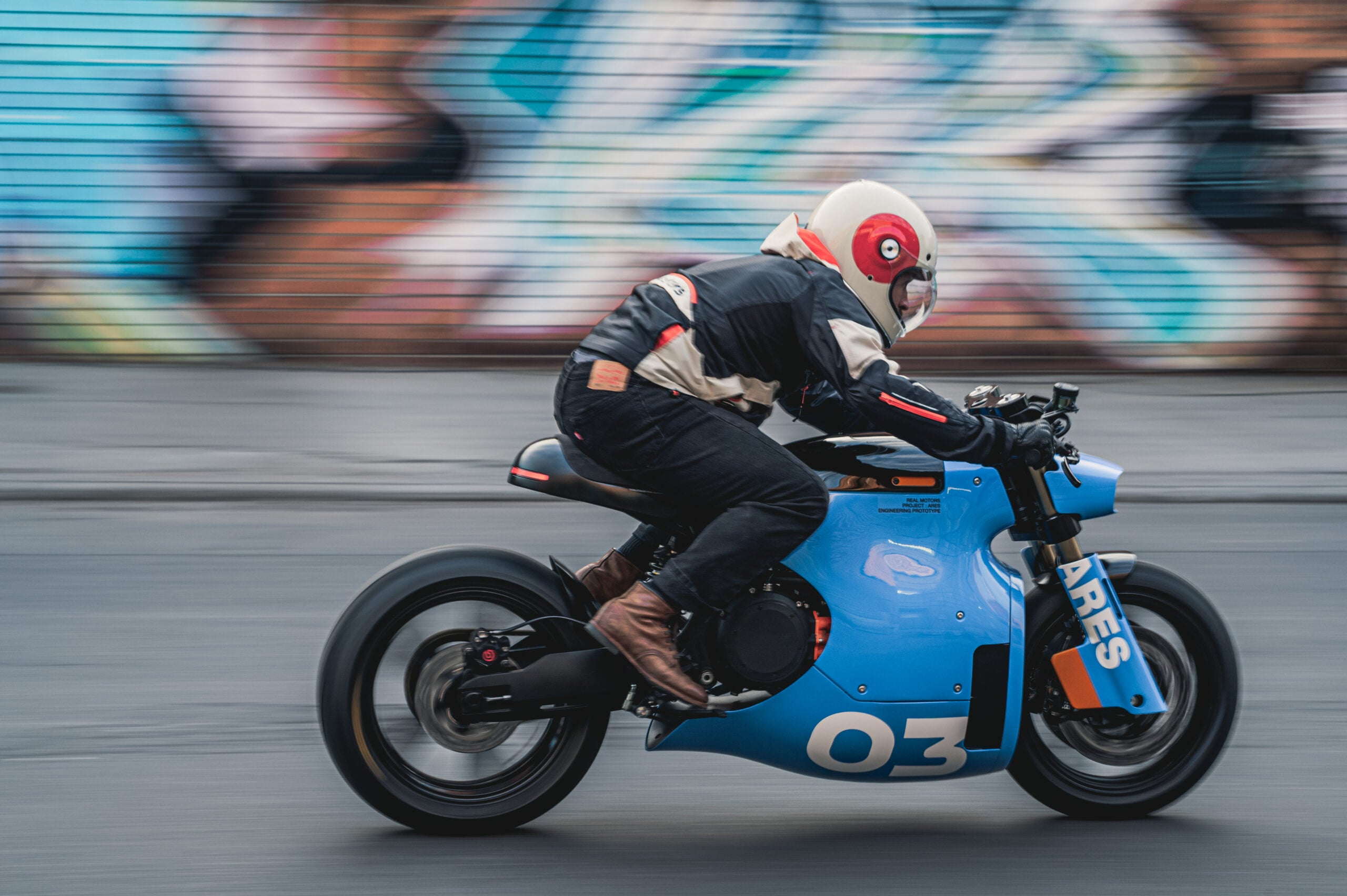
Electric Analogue places the rider at the centre
Real Motors uses the term Electric Analogue for the philosophy behind ARES. In the company’s description, advanced electric technology serves a physical and emotional connection between the motorcycle and its rider.
The press release describes the aim as making that connection more visceral and expressive. The background material adds an emphasis on simplicity and on using technology to support the human relationship with the machine.
ARES brings this approach into the form of an electric neo café racer. Its retro-futuristic character combines the café-racer references identified by the company with the founders’ interest in imagined future machines. Engineering and appearance sit alongside the experience of riding in the company’s account of the project.
For Feng, the emotional appeal belongs within the design brief. His biography describes his belief that products should make people feel something as well as perform their intended function. For Strader, the experience includes how the motorcycle is engineered, how it feels and how the rider connects with it.
These statements explain the team’s use of Electric Analogue. The term brings together the electric powertrain and the physical experience the designers intend to create. The company describes Project : ARES through that combination of engineering, performance, design and emotion.
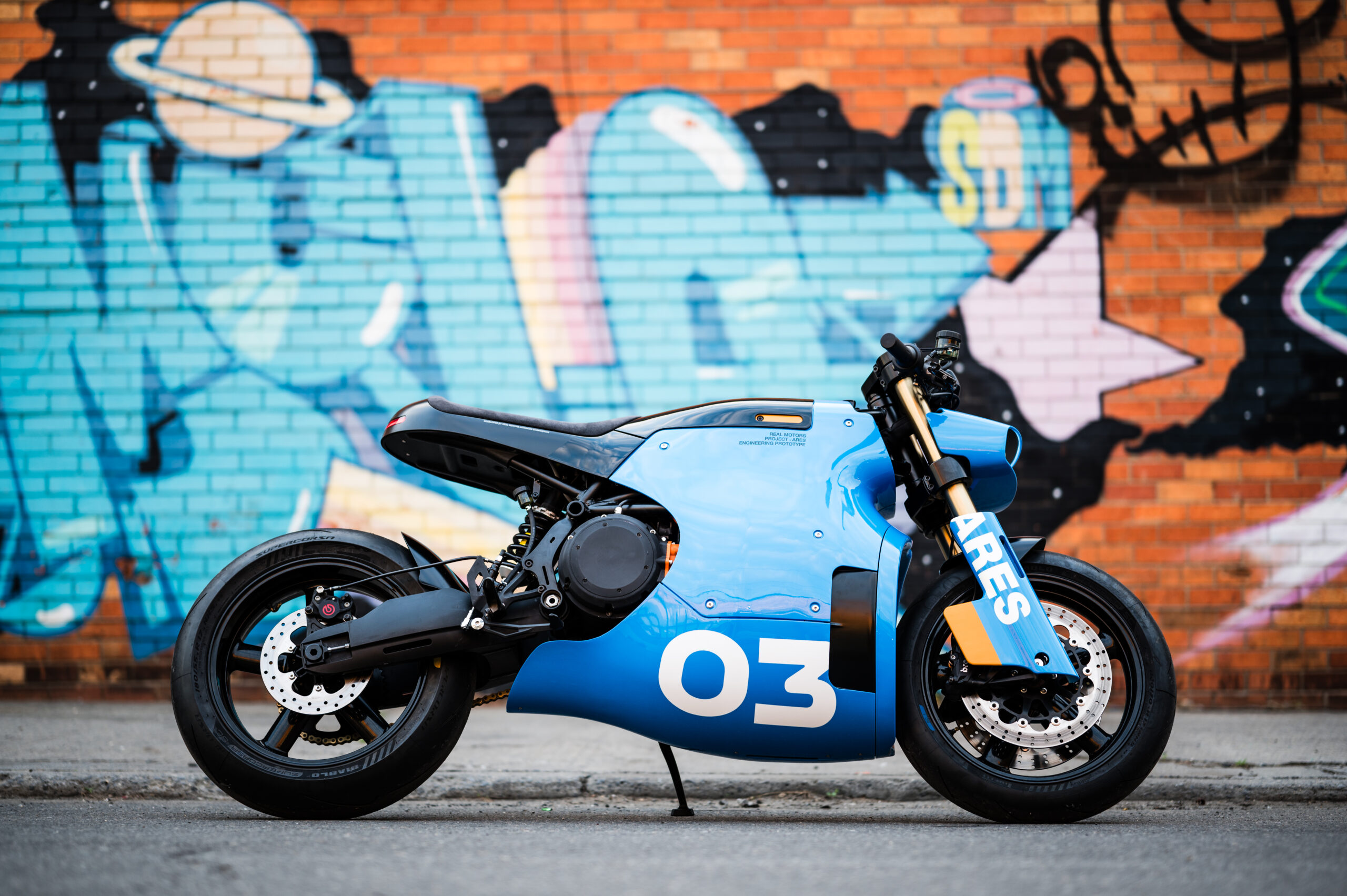
Project ARES Lot 01 specifications and reservations
According to the 1 October press release, Project : ARES Lot 01 features a 65-kW permanent-magnet synchronous motor drive and a 13.4-kWh nickel-cobalt-manganese battery.
The powertrain figures are presented alongside a defined edition size of 250 motorcycles. Real Motors lists the price as US$20,000 and the fully refundable reservation deposit as US$500.
The figures below reproduce the price and deposit stated in the release. Both amounts are shown in US dollars on the same scale, with the reservation deposit identified separately from the motorcycle’s listed price.
Lot 01 is the current ARES release described in the announcement. The 250-motorcycle limit identifies the size of that edition, while the reservation terms provide the stated route for customers to reserve one.
The edition chart below represents those 250 motorcycles. Each marker corresponds to one motorcycle in the announced run; the chart depicts the edition’s size.
Together, these details set out the product information provided for Lot 01: its motor drive, battery, edition size, listed price and reservation deposit. The motorcycle remains the first Future Machine around which Real Motors is organising its engineering and manufacturing work.
Manufacto brings research and production together
Manufacto is Real Motors’ name for its approach to advanced manufacturing. The company describes an engineering-led environment that brings production, rapid prototyping and research and development together.
Its stated aim is to reduce the labour and capital barriers to creating complex products. The approach combines engineering with artificial intelligence, robotics, additive manufacturing and new production methods, according to the press release.
Real Motors links that ambition to giving engineers greater freedom to develop machines around the experiences riders want. ARES is the first project through which the company is applying its Manufacto approach.
“Engineering begins with imagination,” Feng said in the announcement. “Manufacto closes the distance between what we can imagine and what we can make real. ARES is our first expression of that freedom.”
The company places research and development within the same description as the work of making the product. Its account of Manufacto therefore covers both the exploration of ideas and the methods used to turn those ideas into physical machines.
Strader’s production responsibilities form part of this programme. His remit includes the systems and processes associated with taking ARES towards repeatable manufacture, while the founders continue to develop the company’s wider engineering and design direction.
The background material describes a shared interest among Strader, Dingman and Feng in product development, engineering methodology and technology application. It also identifies US manufacturing as part of that interest, with ARES serving as the first demonstration of the approach they want to pursue.
Real Motors’ stated ambitions extend beyond one motorcycle. The company describes each Future Machine as both a product and an opportunity to investigate materials, construction, performance, human interaction and emotion. Manufacto sits within that broader programme as its approach to designing and building the machines.
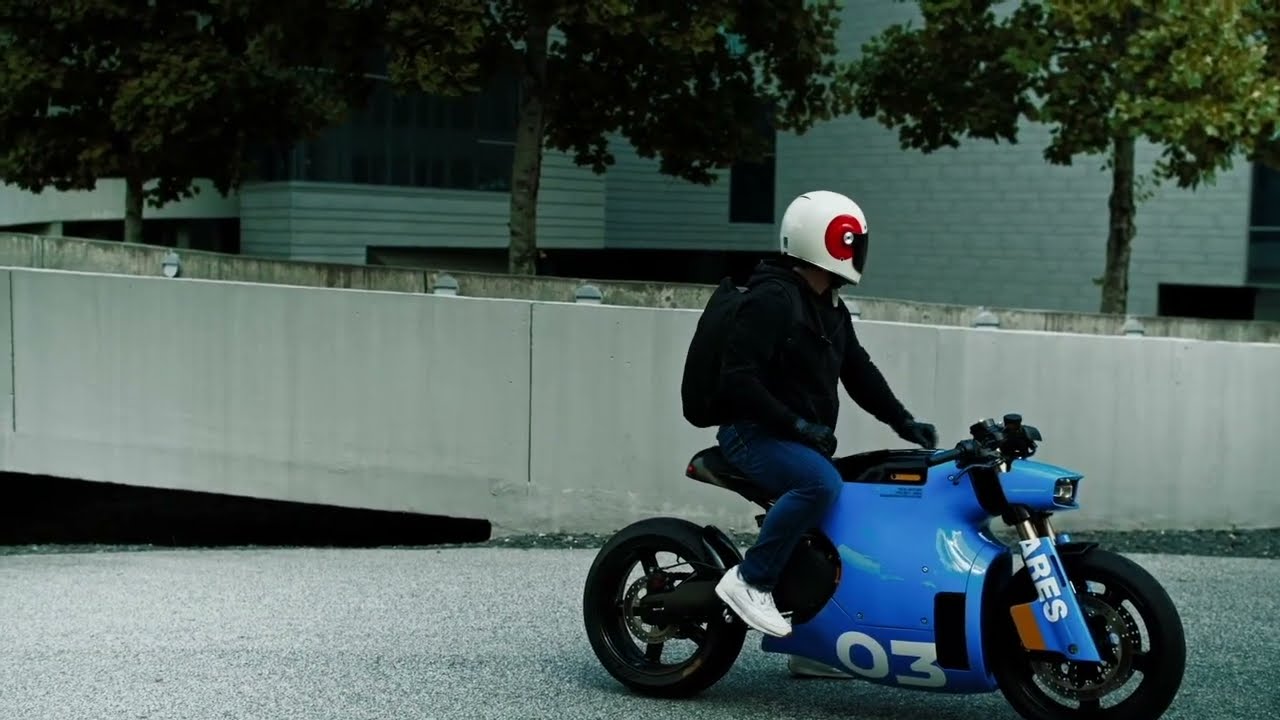
Project : ARES On the Road US
Real Motors says it will exhibit Project : ARES Lot 01 at the Barber Vintage Festival in Alabama from 9 to 11 October 2026. It also plans to show the motorcycle at EICMA in Milan, Italy, in November.
The appearances form part of the programme announced alongside Strader’s appointment. They bring the current ARES release into the company’s public presentation of its motorcycle, its Electric Analogue philosophy and its Future Machines initiative.
Real Motors is based in Greenville. Dingman and Feng’s engineering partnership has developed into a project encompassing motorcycle design and manufacturing. Their account of its beginnings runs from power equipment and patented inventions to a shared interest in the future of mobility.
Strader now joins that work with experience extending from Buell and Harley-Davidson to LiveWire’s electric motorcycle programme. His assignment at Real Motors is to help bring ARES to market and advance the manufacturing approach behind it.
The October announcement brings those strands together around a specific motorcycle: Project : ARES Lot 01, a 250-machine electric café-racer edition. In the company’s account, it is the first expression of a continuing exploration of what engineers can imagine, design and build.




Comment