
Property Management Goes Digital: Securing Tenant Data Across Leasing Platforms and Smart Buildings

The Digital Transformation of Property Management
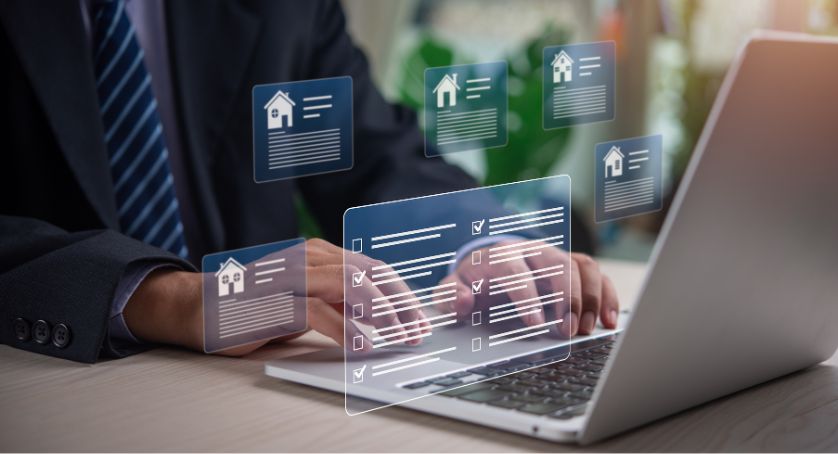
The property management industry is undergoing a fundamental shift as it embraces digital technologies to streamline operations, enhance tenant experiences, and improve security. With the rise of leasing platforms and smart buildings, property managers now have unprecedented access to tenant data, ranging from personal information to payment histories and even real-time occupancy analytics. This shift toward digitalization promises efficiency and convenience but also raises critical questions about securing sensitive tenant data in an increasingly interconnected ecosystem.
According to a recent survey, 73% of property management firms have adopted at least one digital leasing or property management platform, a figure projected to rise steadily in the next five years. This widespread adoption accelerates the need for robust data security measures tailored specifically to the unique challenges of property management.
One company leading the charge in this space is FITECH, which specializes in innovative solutions that protect tenant information while enabling seamless digital leasing experiences. Their approach integrates advanced encryption protocols and continuous monitoring systems to ensure that tenant data remains secure from unauthorized access or data breaches.
The Complex Landscape of Tenant Data Security
Tenant data collected through digital leasing platforms includes personally identifiable information (PII), financial records, and even biometric data from smart building access controls. Protecting this data is not only a regulatory requirement but essential to maintaining tenant trust and compliance with laws such as GDPR and CCPA.
The integration of Internet of Things (IoT) devices in smart buildings further complicates data security. Sensors, smart locks, and automated climate controls generate vast amounts of operational data that must be protected alongside tenant information. A recent report noted that 58% of property managers consider cybersecurity risks from IoT devices as one of their top challenges.
To address these multifaceted challenges, property managers are increasingly turning to managed IT service providers with specialized knowledge in both property management and cybersecurity. Companies with Glacistech’s industry expertise are helping property management firms design and implement comprehensive security frameworks that encompass physical infrastructure, digital platforms, and tenant data protection.
Best Practices for Securing Tenant Data
As property management moves deeper into the digital age, adhering to best practices for data security is paramount. The following strategies are widely regarded as effective measures to safeguard tenant information:
- Data Encryption and Access Controls: Encrypting tenant data both in transit and at rest is crucial. Property management platforms should implement multi-factor authentication (MFA) and role-based access controls to limit data exposure only to authorized personnel. Encryption ensures that even if data is intercepted, it remains unreadable to unauthorized users.
- Regular Security Audits and Penetration Testing: Continuous evaluation of systems and networks helps identify vulnerabilities before they can be exploited. Regular penetration testing simulates cyberattacks to uncover weaknesses in the security posture. According to a cybersecurity survey, organizations that conduct regular penetration testing reduce the likelihood of breaches by up to 40%.
- Tenant Awareness and Education: Educating tenants about phishing schemes, password hygiene, and the importance of safeguarding their own information can reduce the risk of social engineering attacks. Tenants often serve as the first line of defense, and informed tenants contribute significantly to overall security.
- Vendor Risk Management: Since many property management platforms rely on third-party providers, conducting thorough due diligence on vendors’ security protocols is essential to ensure end-to-end data protection. This includes reviewing their compliance certifications, security policies, and incident response capabilities.
- Incident Response Planning: Preparing a detailed incident response plan that includes communication protocols and remediation steps minimizes damage in the event of a breach. Rapid response can prevent data theft, limit downtime, and preserve tenant confidence.
Implementing these practices requires a coordinated effort involving IT teams, property managers, and tenants themselves. With the increasing complexity of digital systems, a proactive and layered approach to security is the best defense.
Leveraging Smart Building Technologies Securely
Smart buildings equipped with IoT devices provide tremendous operational efficiencies, from energy management to automated maintenance requests. However, each connected device represents a potential entry point for cyber threats. Implementing network segmentation to isolate IoT devices from critical systems limits the attack surface.
In addition, adopting security frameworks such as Zero Trust Architecture ensures that every access request is authenticated and authorized, regardless of where it originates. This approach is particularly relevant in smart buildings where multiple stakeholders-tenants, property managers, maintenance teams-interact with different systems.
Furthermore, data generated by smart building sensors can be anonymized or aggregated to protect individual privacy while still delivering actionable insights. This balance between innovation and confidentiality is essential for maintaining tenant confidence. For example, anonymized occupancy data can optimize heating and cooling schedules without revealing individual tenant movements.
The use of blockchain technology is also beginning to emerge in smart building management, offering immutable records of access logs and lease agreements. This enhances transparency and reduces the risk of tampering, further securing tenant data.
The Role of Compliance and Regulations
Compliance with data protection regulations is non-negotiable for property management companies operating in digital environments. Laws such as the General Data Protection Regulation (GDPR) in Europe and the California Consumer Privacy Act (CCPA) in the United States impose stringent requirements on data handling, breach notification, and tenant rights.
Non-compliance can result in hefty fines and reputational damage. A 2023 report indicated that 45% of property management firms had experienced at least one data privacy compliance challenge in the past two years. Integrating compliance checks into digital leasing platforms and smart building management systems helps automate adherence to these evolving regulations.
Moreover, property managers must stay abreast of new and emerging regulations that may affect their operations, as governments worldwide increasingly focus on data privacy and cybersecurity. Regular training and consultation with legal experts ensure that policies remain current and effective.
Future Outlook: Integrating AI and Blockchain for Enhanced Security
Emerging technologies such as artificial intelligence (AI) and blockchain hold promise for further strengthening tenant data security. AI-powered analytics can detect anomalous activity indicative of cyber threats, enabling proactive defense. Machine learning algorithms analyze patterns in network traffic and user behavior to identify potential breaches before they occur.
Blockchain offers immutable records and decentralized control, which could revolutionize how lease agreements and tenant records are stored and verified. By distributing data across multiple nodes, blockchain reduces the risk of data tampering and unauthorized alterations.
However, these technologies also introduce new complexities and require careful implementation to avoid introducing vulnerabilities. The collaboration between technology providers, property managers, and cybersecurity experts will be pivotal in safely harnessing these innovations
Industry forecasts suggest that by 2026, over 60% of property management companies will integrate AI-driven security tools into their operations. This trend underscores the importance of preparing for a future where technology and security are deeply intertwined.
Building Tenant Trust in the Digital Era
Beyond technical measures, building and maintaining tenant trust is critical in a digital property management landscape. Transparency about data collection, storage, and usage policies reassures tenants that their privacy is respected.
Implementing clear consent mechanisms and providing tenants with control over their data enhances trust. Tenants appreciate platforms that offer easy access to their personal information and provide options to update or delete data as appropriate.
Furthermore, prompt and honest communication in the event of a data breach can mitigate reputational damage. Tenants are more likely to remain loyal when they feel their concerns are taken seriously and addressed effectively.
Conclusion
The digital transformation of property management brings significant benefits but also escalates the responsibility to safeguard tenant data across leasing platforms and smart buildings. By adopting comprehensive security strategies, leveraging expert managed IT services, and staying compliant with regulations, property managers can build trust and resilience in this new digital era.
As the industry evolves, partnering with specialists will be key to navigating the complexities of data security. Leveraging further strengthens security postures and operational integrity. Embracing these best practices ensures that the promise of digital property management is realized without compromising tenant privacy and security.
The future of property management is digital, interconnected, and intelligent-but only if tenant data remains protected at every step. With vigilance, innovation, and collaboration, property managers can confidently lead their organizations into this new era.






Comment