
Planning a Balanced Dog Toy Range for Pet Retailers

Planning a Balanced Dog Toy Range for Pet Retailers
A dog toy display can offer plenty of visual choice while giving customers very similar products. New characters and colors make a shelf look different, yet the range may still concentrate on one kind of play. For a retailer with limited space, buying another attractive item is only useful when there is a reason for it to join the assortment.
That reason might be a different activity, size, price or buying occasion. A balanced range makes those differences easy to understand and leaves the store with products it can display, explain and replenish.
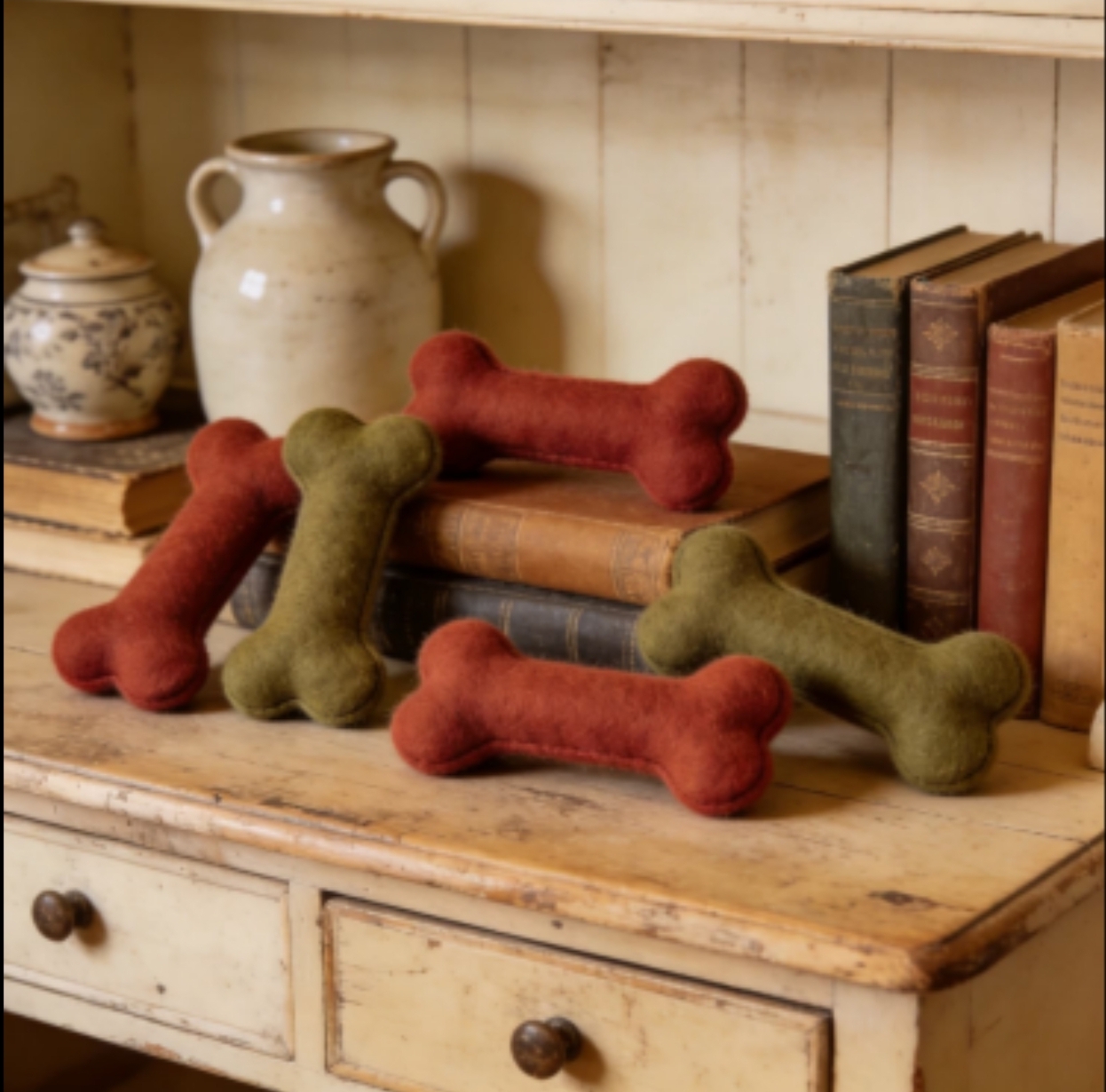
A coordinated group of bone-shaped soft toys in an image published by Wagnab.
Give each product a reason to be there
Begin with the customers and activities the store intends to serve. Shared tug, retrieval, food exploration and soft play give a buyer different roles to consider. A store focused on outdoor activity may select a different balance from one where gifts and indoor play account for more of the buying interest.
Assign each candidate a primary role before deciding how many versions to carry. Some products support several activities, but counting the same item in several parts of a planning sheet can make the range appear broader than it is. Note those additional uses while keeping one clear reason for the product’s place in the selection.
Then look within each role. Two retrieval products may both earn space because they suit different dog sizes or price positions. Two soft toys may appeal to different gift buyers. Functional overlap can be worthwhile when the commercial reason is clear; a different color alone needs a stronger explanation when space is tight.
This is where catalog details become useful. Wagnab’s Tug Of War lists Linen/Nylon and dimensions of 9 by 29 cm, while Mat Slow Feeding lists Fleece. Those fields give a buyer specific products to investigate. The sample review should establish how each item is intended to be used, what construction supports that use and which information is still needed.
Names and silhouettes only take the selection so far. A ball-shaped product might be intended for food access rather than the retrieval role the buyer has in mind. A soft-looking item may have components or care requirements that affect where it belongs. Confirm the proposed use before assigning a product to a gap in the range.
The resulting shortlist should explain each choice in a sentence. If staff cannot distinguish two adjacent candidates beyond their color, the buyer can either identify a meaningful difference or reduce the number of variants. That creates room for a need the range does not yet address.
Make the range work on the shop floor
A selection that looks balanced in a spreadsheet can behave differently on a fixture. A broad mat, a projecting plush shape and a compact toy each occupy space differently. Review the packed products against the actual pegs, shelves or bins before finalizing the order.
Look at what remains visible when the display is stocked. The customer should be able to find the intended use, size and care information without moving several neighboring items. A package that hides another product’s label can make an otherwise useful selection harder to shop.
The display should also help staff explain why the store carries each item. A clear distinction between activities or price positions gives them a starting point for a conversation. Adding a new character is easier to justify when it introduces a recognizable buying occasion or serves demand that the existing choices have not met.
A coordinated appearance can still help the range. Matching colors or themes may make a group attractive as a gift selection, provided the buyer understands the role that presentation plays. Keep that visual decision alongside the functional one so that a coordinated collection does not absorb all the space available for other activities.
Use Wagnab’s wholesale pet toy catalog to identify candidates, then record the sample reference, intended role, packed dimensions and planned retail price. Those details connect the assortment to the store’s fixture and customer budget. The product photograph starts the selection; the sample shows how it fits into the finished display.
Let availability and feedback guide the next order
Replenishment terms deserve attention before the opening purchase. A strong seller that can only be reordered with several weak sellers creates a different inventory problem from an item available on its own. Check order quantities, inner packs, carton arrangements and whether individual colors can be repeated independently.
After launch, compare sales with the time each product was available. In a hypothetical 30-day review, item A sells 12 units but is in stock for only 15 days. Item B sells 18 units across all 30 days. That works out to 0.8 and 0.6 units per in-stock day respectively. B leads on total sales, while A deserves a closer look at replenishment.
That calculation is a useful prompt rather than a forecast. Price, promotions and display position may differ, and a short period may give an incomplete picture. Read it alongside gross margin, remaining stock and the time needed to receive another shipment before increasing an order.
Customer feedback helps explain what the figures cannot. An available but slow-moving item may need clearer presentation or replacement. A product that sells well but attracts repeated complaints about size, damage or care needs investigation before a larger purchase. Grouping all returns together would hide those different decisions.
Review the assortment as a whole when adding or removing a product. Keep useful depth where customers have shown a reason for it, and replace avoidable duplication when another need remains unserved. Over time, that produces a range shaped by the store’s customers and buying experience, with a practical reason for each item on the shelf.







Comment