
How Rising Luxury Prices Are Changing the Way People Shop for Fragrance

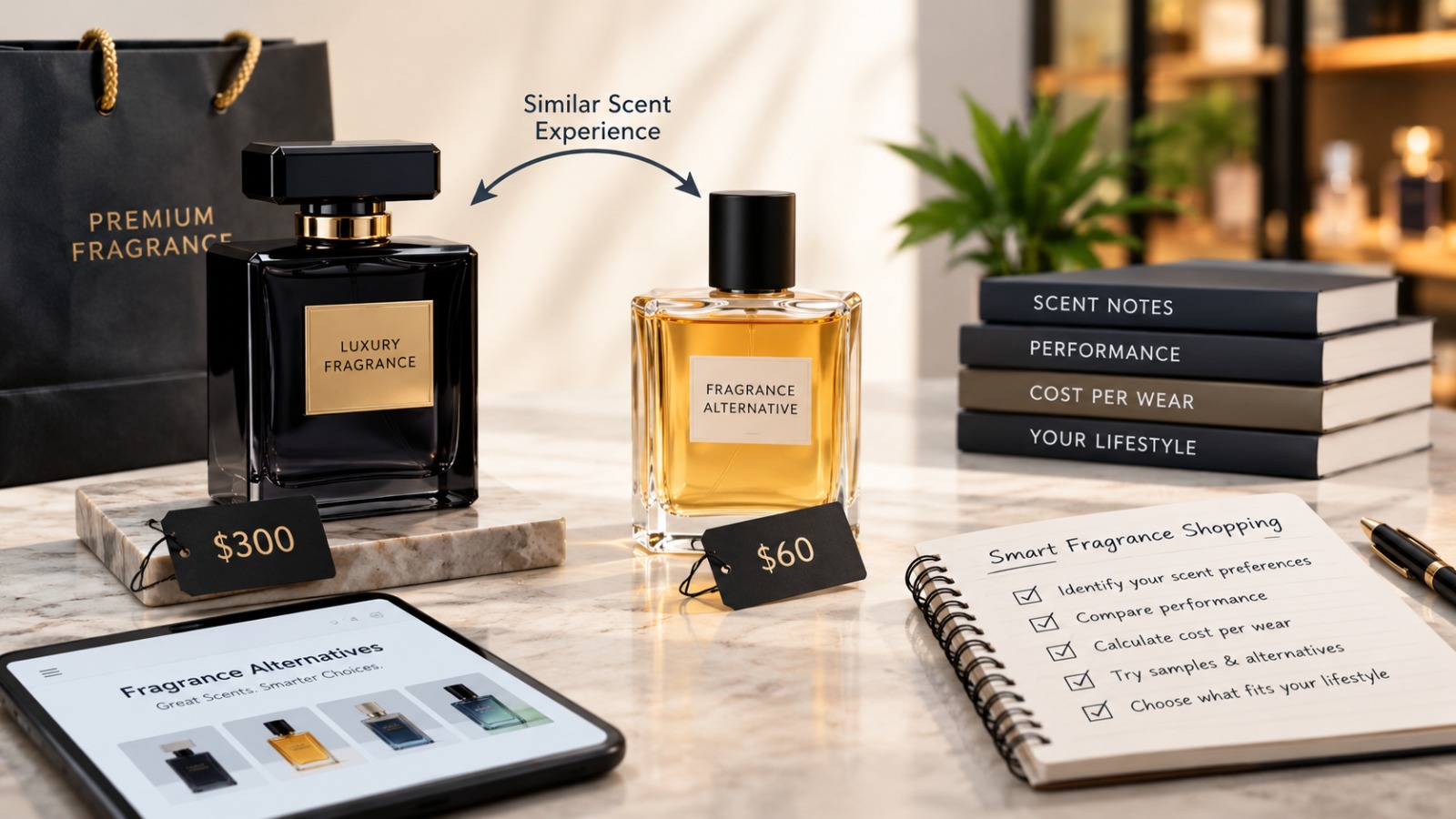
Luxury fragrance has long been associated with craftsmanship, personal identity, and the pleasure of wearing something distinctive. For many people, a signature scent is more than a finishing touch; it becomes part of their daily routine and how they present themselves to the world. However, as premium fragrance prices continue to challenge household budgets, shoppers are reconsidering what makes a perfume worth its price.
Instead of automatically choosing a designer or niche fragrance, consumers are comparing ingredients, performance, scent profiles, and affordable alternatives before making a purchase. This shift does not necessarily mean people are losing interest in luxury. Rather, they are becoming more selective about where their money goes and what they expect in return.
The growing interest in fragrance alternatives reflects this change. Someone researching an initio side effect dupe may be looking for a similar olfactory experience without committing to the price of a high-end perfume. This behavior highlights a broader trend: modern fragrance shoppers increasingly prioritize personal satisfaction and value over brand prestige alone.
Why Rising Luxury Fragrance Prices Are Changing Consumer Behavior
Luxury perfume pricing reflects several factors, including ingredient sourcing, formulation, packaging, marketing, distribution, and brand positioning. Niche fragrance houses may also emphasize distinctive compositions and limited production to establish a premium identity.
However, consumers do not always perceive a higher price as proof of better quality. A fragrance that costs several hundred dollars may offer an exceptional experience, but another scent at a considerably lower price might satisfy the same shopper’s preferences for warmth, sweetness, spice, or depth.
This has encouraged buyers to evaluate fragrances more carefully.
For example, someone who enjoys rich, spicy fragrances might previously have purchased a premium bottle immediately after testing it in a department store. Today, that person may compare several options, read independent reviews, order samples, and calculate the cost per wear before deciding.
The result is a more deliberate shopping process. Brand reputation still matters, but it increasingly competes with practical considerations such as longevity, versatility, and affordability.
Another important change is that consumers are distinguishing between owning a luxury brand and enjoying a luxury scent experience. They may still appreciate designer perfumes while choosing more affordable options for everyday use.
How Fragrance Shoppers Can Find Better Value Without Sacrificing Enjoyment
Finding an affordable fragrance does not have to mean choosing a scent blindly or accepting disappointing performance. A thoughtful approach can help shoppers identify perfumes that suit their preferences, budgets, and lifestyles.
1. Identify the Scent Characteristics You Actually Enjoy
Before comparing prices, determine which fragrance characteristics appeal to you. Broad fragrance families provide a useful starting point.
- Amber and oriental-style fragrances: Often feature warm spices, resins, vanilla, and rich accords.
- Woody fragrances: May include cedar, sandalwood, vetiver, and earthy notes.
- Fresh fragrances: Commonly emphasize citrus, aromatic herbs, and clean accords.
- Floral fragrances: Range from delicate white flowers to intense rose and jasmine compositions.
- Gourmand fragrances: Often feature vanilla, chocolate-like accords, caramel, or other dessert-inspired characteristics.
These categories help narrow your search, but fragrance families alone cannot guarantee that two perfumes will smell alike. The balance of notes, supporting ingredients, and overall composition can produce very different results.
Consider someone who enjoys a warm evening fragrance with spicy, sweet, and subtly boozy characteristics. Rather than searching exclusively for another expensive bottle from the same brand, that shoppers can explore other fragrances built around a comparable mood.
This approach focuses the search on the actual scent experience rather than the name printed on the bottle.
2. Compare Performance Instead of Relying on Price
Fragrance performance is one of the most common reasons shoppers justify premium purchases. However, price alone does not reliably predict longevity or projection.
Longevity describes how long a fragrance remains detectable, while projection refers to how far its scent travels from the wearer. Sillage describes the scent trail left behind as someone moves.
These qualities are related, but they are not interchangeable. A perfume can last for hours while remaining close to the skin, whereas another may project strongly for a shorter period.
Test fragrances under realistic conditions before purchasing a full bottle. Apply a sample to clean skin, observe how it develops over several hours, and note whether the dry-down remains pleasant.
For example, a fragrance that lasts six hours and performs comfortably in an office might provide better everyday value than a stronger scent that feels overwhelming in close quarters.
3. Calculate the Cost Per Wear
One practical way to compare fragrances is to estimate how much each use costs.
Suppose a 100-milliliter perfume costs $200. If the bottle provides approximately 1,000 sprays and you use four sprays per occasion, it offers roughly 250 applications. The estimated cost is $0.80 per wear.
Now consider a $60 alternative that provides approximately 200 applications. Its estimated cost is $0.30 per wear.
These figures are illustrative, and actual spray counts vary by atomizer and application habits. Nevertheless, the calculation demonstrates why an expensive fragrance is not automatically the best purchase for everyday use.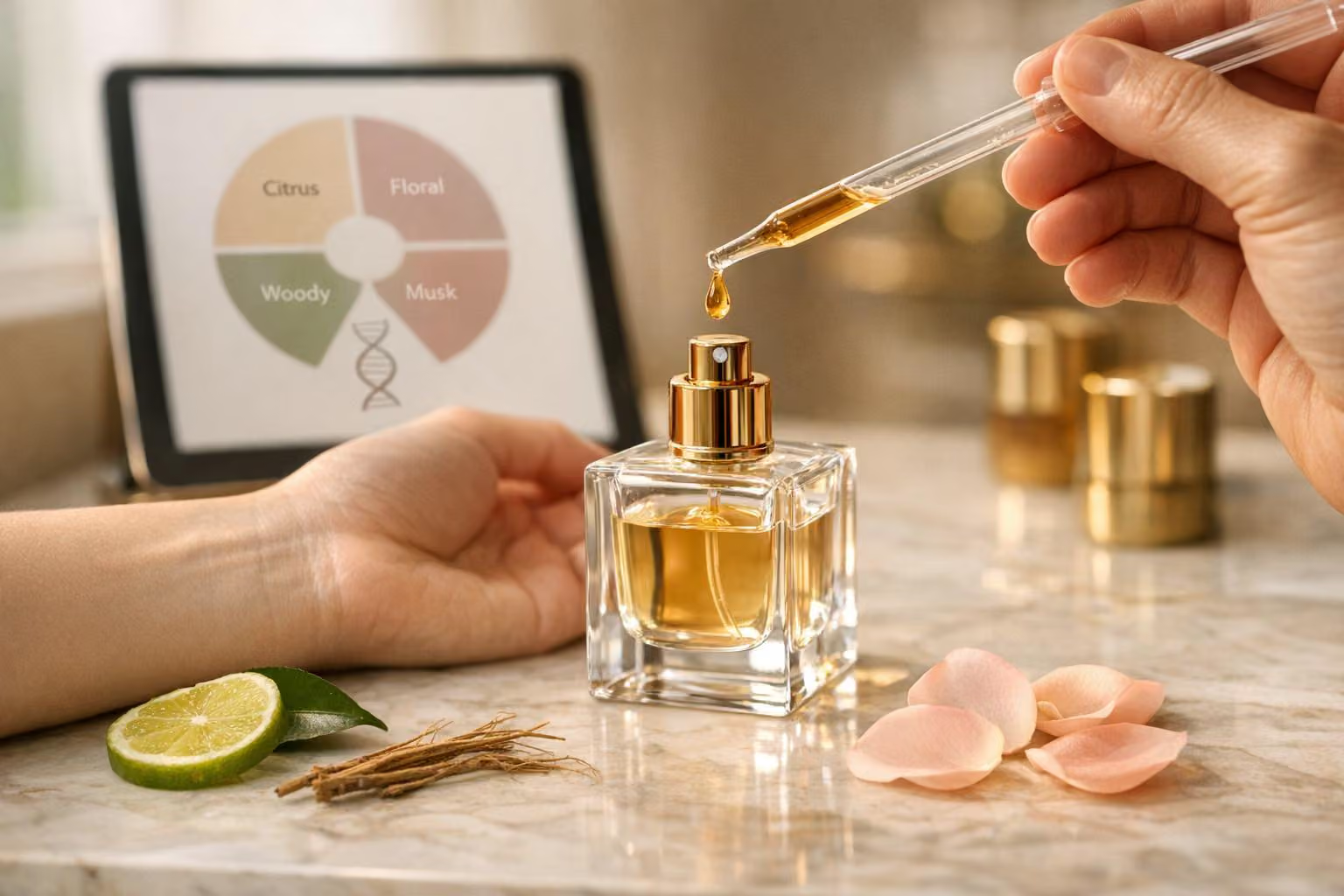
Cost per wear also helps shoppers decide where to spend more. A premium perfume reserved for special occasions may justify a different budget than a daily fragrance used before work.
4. Test Affordable Alternatives Before Buying Full Bottles
Sampling is particularly useful when exploring fragrances inspired by familiar scent profiles. Products marketed as alternatives may share certain characteristics with a luxury perfume, but they can differ in opening notes, development, balance, and performance.
Shoppers looking for an alternative to Initio Side Effect should therefore compare the actual scent experience rather than relying solely on descriptions or similarity claims.
Start with a sample or the smallest practical size. Test the fragrance on skin, assess its development, and compare it with your expectations. If possible, evaluate both scents on separate occasions to avoid confusing their notes.
This process reduces the likelihood of spending money on a bottle that sounds appealing online but feels different when worn.
Common Mistakes When Shopping for Affordable Luxury Fragrances
The search for better value can introduce its own problems. Avoiding a few common mistakes makes it easier to distinguish worthwhile alternatives from disappointing purchases.
Assuming Similar Notes Guarantee a Similar Scent
Two perfumes may both contain vanilla, cinnamon, or amber accords yet smell completely different. Notes describe elements of a composition, not the precise proportions or interactions that create its character.
When searching for perfumes that smell similar to Initio Side Effect, consider the overall profile, including the opening, heart, and dry-down. Similarity involves how these elements work together, not simply whether the same notes appear in a description.
Buying Based Only on Online Reviews
Reviews can reveal useful information about performance, versatility, and general scent impressions. However, fragrance perception is subjective. Skin chemistry, climate, personal preferences, and application habits can influence individual experiences.
A reviewer who describes a perfume as sweet and smooth might perceive it differently from someone who finds it sharp or overly intense.
Use reviews to create a shortlist rather than treating them as a substitute for testing.
Confusing Affordable Alternatives With Identical Replicas
An alternative fragrance does not necessarily reproduce every aspect of a luxury perfume. Even when the overall impression is similar, differences in texture, balance, projection, and dry-down may be noticeable.
Expecting an exact match can lead to disappointment. A more realistic goal is to find a fragrance that delivers a comparable mood or satisfies the same preferences at a price that feels reasonable.
Ignoring Your Actual Lifestyle
A fragrance that performs beautifully in cold weather may feel too heavy during a hot summer afternoon. Similarly, a powerful evening scent may not be suitable for a small office or a crowded commute.
Choose fragrances according to when and where you plan to wear them, not just how impressive they seem during testing.
Practical Tips for Smarter Fragrance Shopping
A few consistent habits can help consumers enjoy fragrance while keeping spending under control.
Set a fragrance budget before browsing. Decide how much you can comfortably spend without compromising other priorities. A defined budget makes it easier to compare options objectively.
Build a small, versatile collection. Rather than purchasing several fragrances that serve the same purpose, consider choosing one fresh everyday scent, one versatile woody or amber fragrance, and one richer option for evenings or special occasions.
Keep a fragrance journal. Record the perfume’s name, price, opening impression, dry-down, longevity, and occasions when you wore it. These notes help you recognize patterns in your preferences and avoid repeat purchases that do not suit you.
Explore discovery sets and samples. Testing several fragrances before committing to a bottle offers a practical way to compare scent profiles without making multiple expensive purchases.
Consider concentration and application. Eau de parfum, eau de toilette, and other fragrance concentrations can differ in composition, but concentration alone does not determine performance. Apply a fragrance according to its strength and your environment rather than assuming that more sprays will produce a better experience.
Buy from sellers with clear product information. Check the fragrance description, bottle size, return policy, and seller reputation. For alternatives, pay attention to what the product actually promises instead of assuming it is affiliated with or identical to a luxury brand.
Most importantly, evaluate fragrance on its own merits. A less expensive perfume that you genuinely enjoy is more useful than a prestigious bottle that remains untouched because it does not fit your routine.
Conclusion:
Rising luxury fragrance prices are changing the way consumers define quality and make purchasing decisions. Instead of relying exclusively on prestigious names, shoppers are comparing scent profiles, testing alternatives, evaluating performance, and calculating the real cost of ownership.
This shift does not eliminate the appeal of premium perfumes. It simply encourages consumers to make more informed choices about when a luxury purchase is worthwhile and when an affordable alternative meets their needs.
The smartest fragrance purchase is ultimately the one that fits your preferences, lifestyle, and budget. By sampling before buying, understanding fragrance characteristics, and looking beyond branding, shoppers can build a collection they enjoy wearing without feeling pressured to spend more than necessary.







Comment