
Personal Electric Aviation Could Succeed Where Air Taxis Keep Struggling

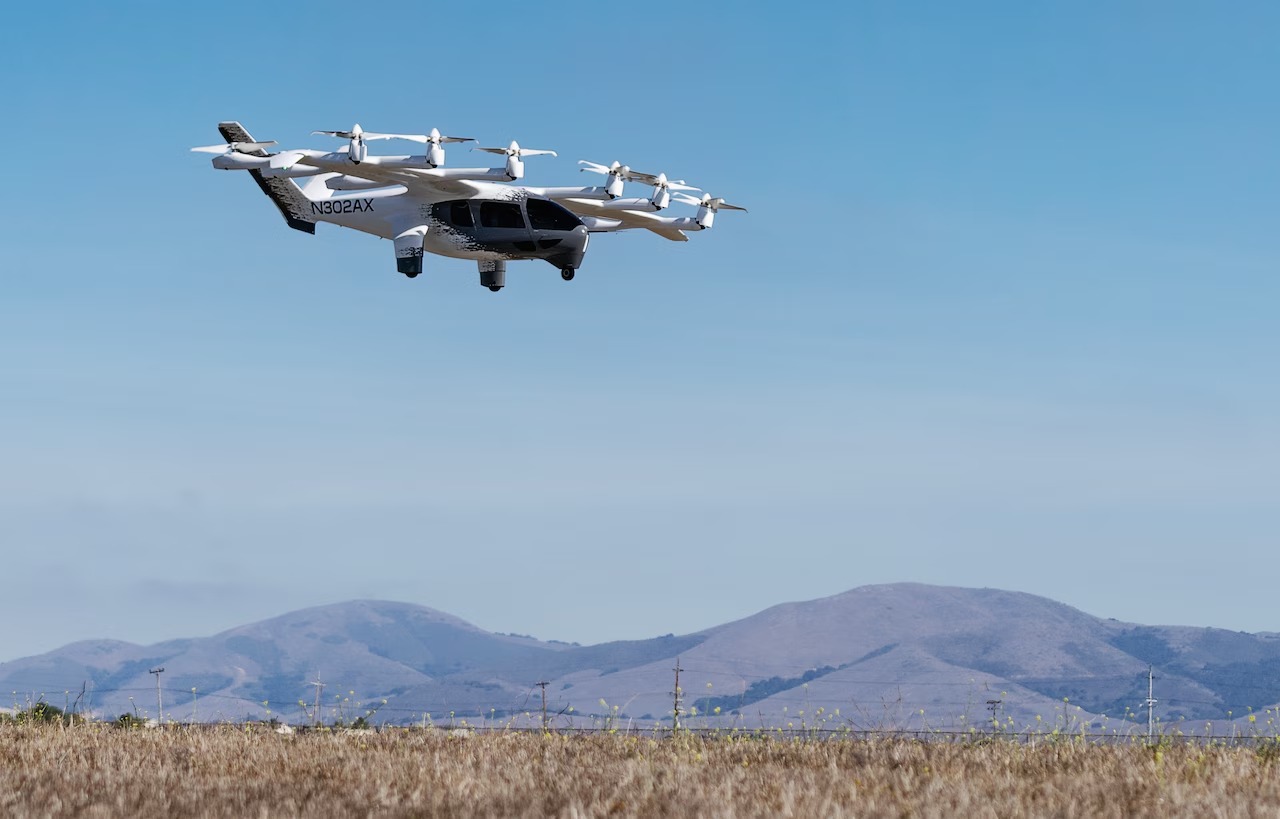
The promise of electric aircraft taking over urban skies has captivated entrepreneurs and investors for years, yet air taxi services continue to face significant hurdles in real-world deployment. Despite billions in funding, companies pursuing commercial air taxi operations encounter regulatory delays, infrastructure challenges, and questions about economic viability. Meanwhile, a quieter but potentially more achievable segment of electric aviation is gaining attention: personal electric aircraft. These smaller, individually owned or operated vehicles might represent a more practical pathway to widespread electrified flight than the ambitious air taxi models dominating headlines. Understanding why personal electric aviation may succeed where air taxis struggle reveals important lessons about technology adoption and market dynamics.
Why Air Taxis Face Persistent Obstacles
Commercial air taxi operations demand coordination across multiple domains that present enormous complexity. These services require dense networks of vertiports or landing pads within cities, sophisticated traffic management systems to prevent collisions, and regulatory frameworks that simply do not exist in most jurisdictions. Cities like Los Angeles, San Francisco, and Singapore have explored air taxi partnerships, yet none have achieved sustained commercial operations at meaningful scale. The regulatory burden alone has proven formidable, as aviation authorities must certify aircraft, establish safety protocols, and define airspace management rules for urban environments where residential areas and commercial zones overlap.
Beyond regulation, air taxis depend on achieving profitability through high passenger volume, which requires fares competitive with ground transportation. Most analyses suggest that air taxi rides would cost significantly more than traditional rideshare services, at least during initial operations. Operators must also manage battery logistics, aircraft maintenance, and pilot training while maintaining thin margins in a sector with enormous upfront capital costs. Some projections indicate air taxi fares could range from 5 to 10 dollars per mile in early markets, making a short 10-mile urban commute cost more than 50 to 100 dollars per person.
The Structural Advantages of Personal Electric Aircraft
Personal electric aircraft operate under fundamentally different economic and regulatory assumptions that may prove easier to navigate. These planes typically serve recreational, personal, or specialized professional purposes rather than mass-market transportation. They do not require the same dense urban infrastructure as air taxis, since owners can operate from smaller airfields, rural airports, or designated takeoff zones far from city centers. This distributed operational model avoids the infrastructure bottleneck that constrains air taxi expansion in metropolitan areas.
Regulatory pathways for personal aircraft, while still demanding, already exist in mature form in many countries. Experimental aircraft categories, sport pilot licenses, and light-sport aircraft designations provide established frameworks that manufacturers and operators can follow without waiting for entirely new regulatory paradigms. The Federal Aviation Administration and equivalent bodies in other nations have decades of experience certifying general aviation aircraft, and electric variants can largely fit within these existing structures. Personal owners also accept higher risks and maintain more direct responsibility for their vehicles compared to passengers expecting the safety guarantees of a commercial air service.
Market Demand and Owner Economics
A growing segment of aviation enthusiasts and professionals has demonstrated genuine interest in personal electric aircraft for legitimate use cases. Private pilots seeking to reduce operating costs find electric engines attractive, since electricity often costs less per flight hour than avgas fuel, and electric motors require less maintenance than combustion engines. Operators conducting aerial photography, surveying, search and rescue operations, or training missions can benefit from quieter, cleaner aircraft that generate less noise pollution and environmental impact. Electric aircraft already enable smaller training organizations to offer pilot instruction in noise-sensitive areas where traditional aircraft cannot operate due to community objections.
The purchase economics increasingly favor early adopters of personal electric aircraft. As battery technology improves and manufacturing scales up, acquisition costs continue declining while performance capabilities increase. Private owners willing to invest in newer technology need not wait for mass-market affordability thresholds before buying and using these aircraft. This contrasts sharply with air taxi models, which require commercial operators to achieve profitability on every flight, leaving little room for early-stage inefficiency or premium pricing during development phases.
Infrastructure Flexibility and Scalability
Personal electric aircraft do not require a centralized infrastructure build-out to achieve meaningful adoption. Existing general aviation airports, of which thousands operate worldwide, already have the basic facilities needed to support electric aircraft operations. A small aircraft charging station or battery swap system can serve dozens of personal owners without the massive investment required to build vertiport networks across metropolitan regions. This flexibility means adoption can begin immediately in markets where owners and pilots express interest, without awaiting city planning decisions or large public infrastructure investments.
The scalability model for personal electric aviation also avoids the coordination problems that plague air taxi development. Each owner can make independent decisions about purchasing and using their aircraft based on personal needs and economics. There is no need to achieve simultaneous adoption across an entire metropolitan area or coordinate schedules among hundreds of commercial operators. Success in one region or use case can expand organically to adjacent regions as more pilots learn about the technology and gain confidence in its reliability. This distributed, organic growth pattern matches how general aviation itself developed over the past century.
Technical Achievements and Market Readiness
Several manufacturers have already demonstrated working personal electric aircraft with practical performance characteristics. These planes achieve range between 50 and 200 miles per charge depending on battery capacity and aircraft design, which suits many personal aviation missions without requiring revolutionary battery breakthroughs. Weight and balance considerations continue improving as battery energy density increases, and modern designs successfully integrate large-capacity batteries while maintaining structural integrity and flying qualities. Engineers and prospective buyers evaluating these aircraft rely on eVTOL tech specifications to compare payload limits, charge times, and certified range figures before committing to a purchase or development partnership. Companies developing these aircraft face fewer technical barriers to commercialization than air taxi operators, since they can operate within more modest performance parameters.
The path from prototype to customer delivery is also more straightforward for personal aircraft manufacturers. Certification timelines, while still requiring substantial effort and expense, remain shorter than establishing entirely new regulatory categories for urban air mobility services. Several manufacturers are currently in advanced development or early production phases, suggesting that viable personal electric aircraft will reach genuine buyers in the near term. This progression is grounded in demonstrated hardware performance rather than conceptual projections, giving potential buyers a clearer and more reliable basis for evaluating the technology’s readiness.
Conclusion
Personal electric aviation offers a more achievable vision of electrified flight than air taxi services because it operates within existing regulatory frameworks, requires less centralized infrastructure, and can pursue profitability through smaller, distributed markets rather than mass-market urban transportation. While air taxis capture headlines and venture capital, personal electric aircraft represent a more pragmatic entry point for electric aviation technology into widespread use. The success of personal electric aircraft may ultimately prove more significant than air taxi development, not because they will serve more passengers in the short term, but because they establish the foundation and operational experience from which broader aviation electrification eventually emerges.







Comment