
ParallelStaff Explains Nearshore Developer and Dedicated Team Costs

The Dallas-based firm lists the factors that move price and the questions buyers should ask before comparing quotes
DALLAS, TX – ParallelStaff, a Dallas-based nearshore software development and IT staffing firm, today shared a framework to help U.S. technology leaders compare the cost of hiring nearshore developers and building dedicated engineering teams in Latin America, two of the most common questions engineering leaders raise at the start of a vendor search.
Quotes that look alike often cover different things. Price depends on seniority, specialization, engagement model, team size, and contract length, as well as what the quoted figure includes: recruiting, payroll, equipment, management, and replacement terms. ParallelStaff advises buyers to request quotes in the same format from every provider so the comparison reflects the real monthly cost rather than an hourly headline.
“The lowest line on a quote is rarely the lowest cost of the outcome,” said Luis Peralta, Founder and CEO of ParallelStaff. “Buyers should compare what is included, how quickly an engineer reaches full productivity, and what happens if a placement does not work out.”
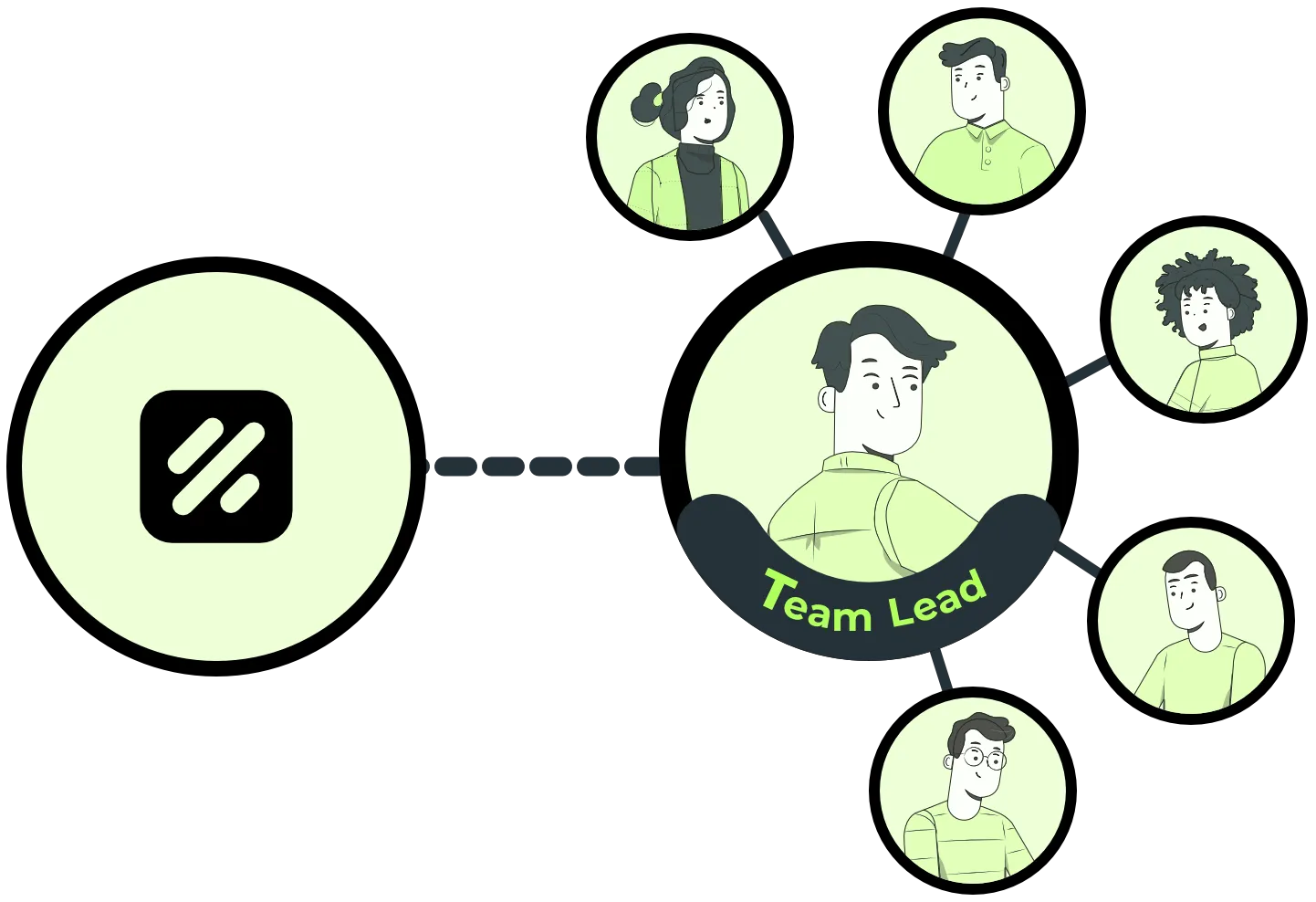
The engagement model changes how cost is structured. A single hire is priced by role. Nearshore dedicated teams are priced as a group of engineers working together on a defined roadmap, often with built-in coordination. Dedicated development teams suit companies that need sustained capacity across a product rather than a one-off fix, and they let buyers plan spend around a team rather than around headcount.
Role mix also moves the number. Back-end developers carry the server, data, and integration work that most products depend on. Full-stack developers handle both front-end and back-end work, which can reduce the number of hires a small team needs. Project managers add a cost line that buyers should weigh against the delivery risk it reduces on teams with several engineers.
ParallelStaff suggests asking every provider five questions. What is included in the rate? How does pricing change as the team grows? What are the minimum commitment and notice terms? How are replacements handled? Are management and quality assurance priced separately?
About ParallelStaff
ParallelStaff is a Dallas, Texas-based nearshore IT staff augmentation and software development company that connects U.S. technology teams with experienced senior engineers across Latin America. The company helps businesses expand their technical capabilities, strengthen development teams, and manage projects without the complexity of traditional hiring. ParallelStaff is ISO 27001 certified, reflecting its commitment to information security and data protection. It was ranked No. 502 on the 2025 Inc. 5000 list of America’s fastest-growing private companies and holds a 4.8 out of 5 rating on Clutch. The company also reports a 94% engineer retention rate, highlighting its focus on employee satisfaction, long-term partnerships, and consistent team performance. Through its nearshore staffing model, ParallelStaff supports businesses seeking skilled technical talent, improved collaboration, and flexible software development resources.
Its services help organizations access specialized expertise across software engineering and technology development while maintaining closer working relationships with distributed teams. By aligning engineers with clients’ business goals, communication practices, and project requirements, ParallelStaff aims to support efficient workflows, sustainable growth, and reliable delivery. This approach offers companies an adaptable way to address changing technical demands and scale development capacity as their needs evolve.






Comment