Discover organic social growth strategies that build loyal audiences through engagement, content optimization, timing, and social media marketing tactics.
Social media platforms have evolved from simple networking tools into powerful ecosystems where brands build communities, influence buying decisions, and create long-term customer relationships. While paid advertising still plays an important role in digital marketing, businesses that focus entirely on paid reach often struggle to create authentic audience loyalty. Organic social growth, on the other hand, helps brands establish trust, credibility, and sustainable engagement over time.
Modern audiences are more selective about the brands they interact with online. They expect value-driven content, transparency, consistency, and meaningful conversations rather than aggressive promotion. Businesses that understand how to connect with their audiences naturally can develop loyal communities that support long-term brand growth.
Organic social media growth is not simply about increasing follower counts. It involves creating engagement strategies that encourage interaction, improve visibility, strengthen brand awareness, and ultimately convert social audiences into customers. Businesses that invest in organic growth strategies often benefit from stronger audience retention, higher engagement rates, and more cost-effective long-term marketing performance.
Why Organic Social Growth Matters
Many businesses initially focus on paid advertising because it provides quick visibility. However, depending entirely on paid traffic can become expensive and difficult to sustain. Organic growth strategies help brands build digital assets that continue generating engagement even without constant advertising spend.
When audiences discover content organically, they are more likely to trust the brand behind it. Organic engagement often creates stronger emotional connections because users voluntarily choose to interact with the content. This type of relationship-building is essential for businesses seeking long-term success in highly competitive industries.
Organic social growth also improves overall marketing efficiency. High engagement signals can increase algorithmic visibility, allowing brands to reach larger audiences without additional promotional costs. Social platforms tend to reward content that generates conversations, shares, saves, and meaningful interactions.
Another major advantage of organic growth is community development. Businesses that actively engage with their audiences can build loyal communities that promote products and services through word-of-mouth recommendations, user-generated content, and repeat engagement.
Understanding Audience Behavior Before Creating Content
Successful organic growth begins with understanding the audience. Many businesses fail on social media because they create content based on assumptions rather than audience behavior and interests.
Brands must identify who their ideal customers are, what type of content they consume, when they are active online, and what problems they are trying to solve. Audience insights help businesses create more relevant and engaging content strategies.
Different platforms attract different audience behaviors. LinkedIn audiences typically prefer educational and professional content, while Instagram users often engage more with visual storytelling and short-form videos. TikTok audiences respond well to entertainment-driven and trend-based content, while Facebook communities frequently engage with discussion-oriented posts.
Businesses should also analyze performance metrics consistently. Engagement rates, watch time, saves, comments, and click-through rates reveal valuable information about audience preferences. These insights allow brands to refine content strategies for better performance.
Creating audience-centered content increases the likelihood of shares and interactions, which naturally expands reach and visibility over time.
Content Strategies That Drive Organic Growth
High-quality content remains the foundation of organic social growth. However, successful content strategies go beyond simply publishing attractive visuals or promotional messages. The most effective brands focus on delivering value consistently.
Educational content is one of the strongest drivers of organic engagement. Tutorials, industry insights, how-to guides, and problem-solving content help brands establish authority while providing immediate value to audiences. Businesses that consistently educate their followers often gain stronger trust and long-term engagement.
Storytelling is another essential component of successful organic growth. Audiences connect more deeply with authentic stories than with direct sales messaging. Sharing brand experiences, customer success stories, behind-the-scenes content, and company values can humanize a business and strengthen audience relationships.
Video content also plays a significant role in modern social media growth. Short-form videos often generate higher engagement because they capture attention quickly and encourage repeat viewing. Brands that incorporate video storytelling into their strategies frequently experience stronger organic reach.
Consistency is equally important. Many businesses post inconsistently, making it difficult to maintain audience engagement. Consistent posting schedules help audiences recognize and remember the brand while signaling activity to platform algorithms.
Businesses looking to grow social media followers organically often achieve the best results when they combine educational content, storytelling, audience interaction, and platform-specific optimization into a unified strategy.
Why Timing Matters in Audience Engagement
Even high-quality content can underperform if it is published at the wrong time. Timing significantly influences visibility, engagement, and reach across social platforms.
Most social media algorithms prioritize early engagement signals. When content receives interactions shortly after publication, platforms are more likely to distribute it to larger audiences. Posting during periods when followers are most active increases the chances of generating these early interactions.
However, optimal posting times vary depending on industry, audience demographics, and platform behavior. Businesses should analyze engagement data to determine when their audiences are most responsive.
Instagram, for example, often rewards content that receives strong engagement within the first hour of posting. LinkedIn audiences may engage more during business hours, while TikTok engagement patterns can differ significantly depending on content categories and audience age groups.
Testing different posting schedules is essential for identifying what works best for a specific brand. Businesses that monitor analytics consistently can improve visibility without increasing advertising costs.
Understanding the best time to post on Instagram can help brands maximize organic reach and improve overall audience interaction rates.
Social Media Strategies for Small Businesses
Small businesses often assume they cannot compete with larger brands on social media due to limited budgets. However, organic growth strategies can level the playing field when executed effectively.
Smaller brands frequently have an advantage in authenticity and community interaction. Audiences often prefer businesses that engage personally rather than appearing overly corporate. Small businesses can strengthen customer loyalty by responding to comments, participating in conversations, and creating relatable content.
Niche positioning is another powerful strategy. Instead of targeting broad audiences, small businesses can focus on highly specific customer groups with tailored messaging and specialized expertise. Niche-focused content often performs better organically because it addresses precise audience interests.
User-generated content can also significantly improve engagement. Encouraging customers to share reviews, experiences, or product-related content helps build trust while expanding organic visibility.
Community-building strategies such as live sessions, polls, Q&A discussions, and collaborative content further strengthen audience relationships. Businesses that actively involve their audiences in conversations tend to generate higher engagement rates.
Brands exploring effective social media marketing for small businesses often find that authenticity, niche positioning, and community interaction outperform aggressive promotional tactics.
Turning Engagement Into Business Growth
Audience engagement alone is not enough if it does not contribute to broader business goals. Successful brands develop systems that convert social engagement into leads, sales, and long-term customer relationships.
Lead generation strategies should align closely with audience interests and content intent. Businesses must create clear pathways that guide audiences from social interactions toward meaningful actions such as newsletter sign-ups, consultations, or purchases.
Calls-to-action should feel natural rather than overly aggressive. Encouraging users to download resources, participate in webinars, or access exclusive content can improve conversion rates without disrupting audience trust.
Landing page optimization also plays a crucial role in converting social traffic effectively. Even highly engaging social campaigns can fail if the user experience after the click is poor. Fast-loading pages, mobile responsiveness, clear messaging, and simplified forms all contribute to stronger conversions.
Businesses focusing on lead generation optimization often discover that social media performance improves significantly when engagement strategies are integrated with conversion-focused user experiences.
Email marketing integration is another highly effective approach. Social media platforms are valuable for attracting attention, but email lists provide businesses with greater long-term control over audience communication. Brands that combine social engagement with email nurturing strategies often achieve stronger customer retention and lifetime value.
The Importance of Website Performance in Social Campaigns
Many businesses focus heavily on social media content while overlooking the technical infrastructure supporting their campaigns. Website performance directly affects conversion rates, user experience, and campaign effectiveness.
When social content generates traffic spikes, poorly optimized websites can become slow or unstable. Slow-loading pages increase bounce rates and reduce conversion opportunities, particularly for mobile users.
Reliable hosting infrastructure is critical for maintaining strong user experiences during high-traffic periods. Businesses that use scalable cloud hosting solutions can handle increased traffic more efficiently while maintaining fast loading speeds.
Performance optimization also contributes to SEO benefits. Faster websites generally provide better user experiences, which can positively influence search rankings and overall engagement metrics.
Scalable cloud hosting providers like Cloudways help businesses improve website speed, reliability, and flexibility while supporting growing traffic demands from social campaigns and digital marketing efforts.
Building Long-Term Brand Loyalty Through Organic Engagement
The ultimate goal of organic social growth is not simply to increase visibility but to build loyal audiences that continue engaging with the brand over time.
Loyal audiences are more likely to purchase repeatedly, recommend the brand to others, and participate actively in community discussions. These long-term relationships provide businesses with more stable growth compared to short-term advertising campaigns alone.
Consistency plays a major role in loyalty development. Brands that maintain consistent messaging, content quality, and engagement practices build stronger trust over time. Audiences appreciate reliability and authenticity, particularly in crowded digital environments.
Transparency is equally important. Modern consumers value brands that communicate honestly, respond genuinely to feedback, and prioritize audience needs rather than focusing solely on promotion.
Businesses should also view social media as a conversation rather than a broadcasting platform. Engagement-driven brands encourage interaction, listen to audience feedback, and adapt strategies based on community preferences.
The connection between audience engagement and business growth continues to strengthen as digital competition increases. Businesses that invest in sustainable engagement strategies position themselves for stronger long-term visibility and customer retention.
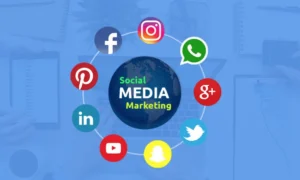
The evolution of social media marketing demonstrates how brands can combine community-building, strategic content creation, and audience engagement to create sustainable growth in competitive online markets.
Conclusion
Organic social growth is no longer optional for brands seeking sustainable digital success. While paid advertising can deliver immediate visibility, authentic audience engagement creates long-term trust, loyalty, and business stability.
Brands that focus on understanding audience behavior, creating value-driven content, optimizing posting strategies, and strengthening community interaction can achieve meaningful organic growth over time. Small businesses, in particular, can benefit significantly from authenticity-driven engagement strategies that build deeper customer relationships.
Successful social media growth also requires strong technical support, optimized user experiences, and effective conversion pathways. Businesses that align engagement strategies with website performance and lead generation systems are better positioned to turn audience interactions into measurable business growth.
As competition across social platforms continues to increase, businesses that prioritize authenticity, consistency, and audience value will stand out more effectively. Organic social growth is ultimately about building communities, strengthening relationships, and creating lasting brand influence that extends far beyond follower counts.