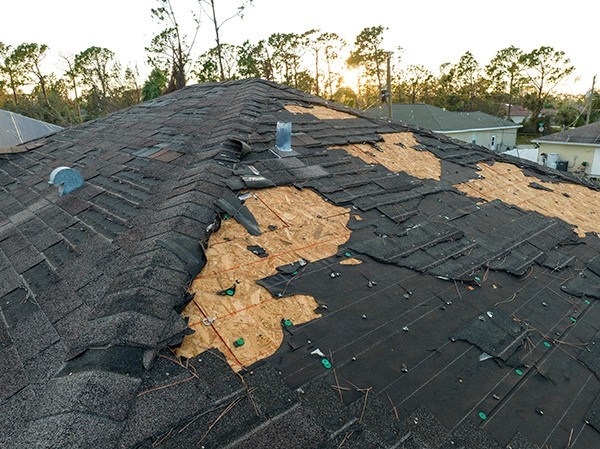
Replacing your roof is one of the most important investments you can make as a homeowner. A durable, professionally installed roof protects your property from harsh weather, improves energy efficiency, and increases your home’s value. However, before starting a roofing project, it’s essential to understand the factors that influence pricing. Using the NJ Roof Replacement Cost Calculator: What Impacts Your Estimate? is an excellent way to estimate your roofing costs and plan your budget more effectively.
Many homeowners also struggle to decide whether they should repair their existing roof or replace it entirely. The guide Roof Repair vs. Roof Replacement: How to Decide – A Simple Cost Calculator provides valuable insights into making the right decision based on your roof’s condition and long-term financial goals.
In this article, we’ll explore the key factors affecting roof replacement costs, discuss when repairs are the better option, and share tips for maximizing your investment.
Why Roof Replacement Costs Are Different for Every Home
No two roofing projects are exactly alike. Even homes with similar square footage may have significantly different replacement costs due to design, materials, labor requirements, and structural conditions.
A roofing cost calculator gives homeowners a realistic starting point, but a professional inspection is still necessary for an accurate estimate.
Factors That Affect Your Roof Replacement Estimate
1. Roof Size
The size of your roof is the biggest factor influencing the total project cost.
Roofing contractors measure roofs in “squares,” with one square equal to 100 square feet. Larger roofs require:
- More shingles or roofing materials
- Additional underlayment
- More labor hours
- Higher disposal costs
Even a small increase in roof size can noticeably affect the final estimate.
2. Roofing Material Selection
Your choice of roofing material has a major impact on both cost and durability.
Popular roofing options include:
- Asphalt shingles
- Architectural shingles
- Metal roofing
- Slate
- Cedar shake
- Synthetic roofing materials
While asphalt shingles are generally the most affordable, premium materials often provide longer lifespans and greater resistance to severe weather.
3. Roof Pitch and Complexity
Steeper roofs require more safety equipment and additional labor.
Complex roof designs featuring multiple valleys, skylights, chimneys, dormers, or intersecting rooflines also increase installation time and labor costs.
The more complicated the roof, the higher the estimate is likely to be.
4. Existing Roof Removal
Before installing a new roof, contractors usually remove the old roofing materials.
Removal costs depend on:
- Number of existing layers
- Roofing material type
- Dumpster and disposal fees
- Local environmental regulations
Some municipalities charge additional disposal fees that contribute to the overall project cost.
5. Roof Deck Repairs
Once the old roofing material is removed, contractors inspect the roof decking underneath.
Hidden problems such as:
- Rot
- Water damage
- Mold
- Soft plywood
- Structural deterioration
must be repaired before the new roof can be installed safely.
These unexpected repairs often explain why final costs differ from initial estimates.
6. Ventilation Improvements
Proper attic ventilation is essential for extending the life of your roof.
Many roofing projects include upgrades such as:
- Ridge vents
- Soffit vents
- Gable vents
- Roof exhaust vents
Good ventilation helps prevent moisture buildup, reduces heat accumulation, and improves overall energy efficiency.
7. Local Building Codes
New Jersey has specific building regulations that contractors must follow.
Permit requirements, inspection fees, and local code compliance can all affect the total project cost.
Hiring experienced local roofing professionals ensures your roof meets all required standards.
Weather Conditions in New Jersey
New Jersey homeowners face a variety of weather challenges throughout the year.
These include:
- Heavy snow
- Ice dams
- High winds
- Coastal storms
- Heavy rainfall
- Summer heat
Because of these conditions, many homeowners choose impact-resistant and weather-resistant roofing materials that provide better long-term protection.
Benefits of Using a Roof Replacement Cost Calculator
Roof cost calculators are useful planning tools because they help homeowners understand realistic pricing before contacting contractors.
Benefits include:
- Better budgeting
- Easier financial planning
- Comparing roofing materials
- Understanding labor costs
- Preparing for insurance discussions
- Reducing pricing surprises
Although calculators are helpful, they should always be followed by a professional roof inspection.
Roof Repair vs. Roof Replacement
One of the most common questions homeowners ask is whether they should repair their roof or replace it entirely.
The answer depends on several important factors.
When Roof Repair Is the Better Choice
Roof repairs are often appropriate when damage is minor or localized.
Common repair situations include:
- Missing shingles
- Small leaks
- Flashing damage
- Minor storm damage
- Limited wind damage
If the roof is relatively new and structurally sound, repairs can add several years to its lifespan.
When Roof Replacement Makes More Sense
A full replacement becomes the better investment when your roof has widespread deterioration.
Signs include:
- Roof older than 20–30 years
- Multiple leaks
- Curling or cracked shingles
- Frequent repairs
- Sagging roof sections
- Extensive storm damage
Replacing the roof eliminates recurring repair expenses while providing long-term peace of mind.
Repair vs. Replacement Cost Comparison
| Roof Repair | Roof Replacement |
| Lower upfront cost | Higher initial investment |
| Faster completion | Longer installation |
| Best for isolated damage | Best for aging roofs |
| Temporary solution | Long-term protection |
| May require future repairs | Includes new warranties |
Although roof repairs cost less initially, multiple repairs over several years may ultimately cost more than replacing the entire roof.
Tips for Reducing Roofing Costs
You can save money on your roofing project by following these practical tips:
- Schedule annual roof inspections.
- Address minor issues before they become major problems.
- Compare estimates from multiple licensed contractors.
- Choose durable roofing materials that offer long-term value.
- Ask about financing options.
- Replace your roof before emergency damage occurs.
Preventive maintenance almost always costs less than emergency repairs.
Choosing the Right Roofing Contractor
Selecting an experienced roofing contractor is just as important as choosing quality materials.
Look for a contractor who offers:
- Proper licensing
- Liability insurance
- Written estimates
- Manufacturer certifications
- Strong customer reviews
- Workmanship warranties
A reputable contractor will explain every part of the estimate and answer all your questions before work begins.
Final Thoughts
A roof replacement is a significant investment that protects your home for decades. Understanding what affects pricing allows homeowners to budget more accurately and avoid unexpected expenses.
Using the NJ Roof Replacement Cost Calculator: What Impacts Your Estimate? helps estimate roofing costs based on your home’s unique characteristics, while the Roof Repair vs. Roof Replacement: How to Decide – A Simple Cost Calculator provides valuable guidance when deciding between repairing and replacing your roof.
By combining online cost estimation tools with a professional roof inspection, you’ll be well-equipped to make a smart investment that enhances your home’s safety, efficiency, and long-term value.
Frequently Asked Questions (FAQs)
1. What is the biggest factor affecting roof replacement cost?
The roof’s size is usually the largest cost factor, followed by material selection, labor, roof complexity, and any necessary structural repairs.
2. Are online roof replacement calculators accurate?
Roof cost calculators provide useful estimates based on common pricing factors, but an on-site inspection is required for an accurate quote.
3. How do I know if my roof needs replacement instead of repair?
If your roof is over 20 years old, has multiple leaks, widespread shingle damage, or requires frequent repairs, replacement is often the more cost-effective option.
4. Does homeowners insurance cover roof replacement?
Insurance may cover roof replacement if the damage results from covered events such as storms, hail, or falling trees. Normal wear and aging are generally not covered.
5. How long does a roof replacement take?
Most residential roof replacements are completed within one to three days, depending on the roof’s size, complexity, and weather conditions.
6. Can a new roof increase my home’s value?
Yes. A new roof improves curb appeal, enhances energy efficiency, and can increase resale value while making your home more attractive to potential buyers.