
Manufacturing Companies Are Under Increased Scrutiny Due To These Trust Issues

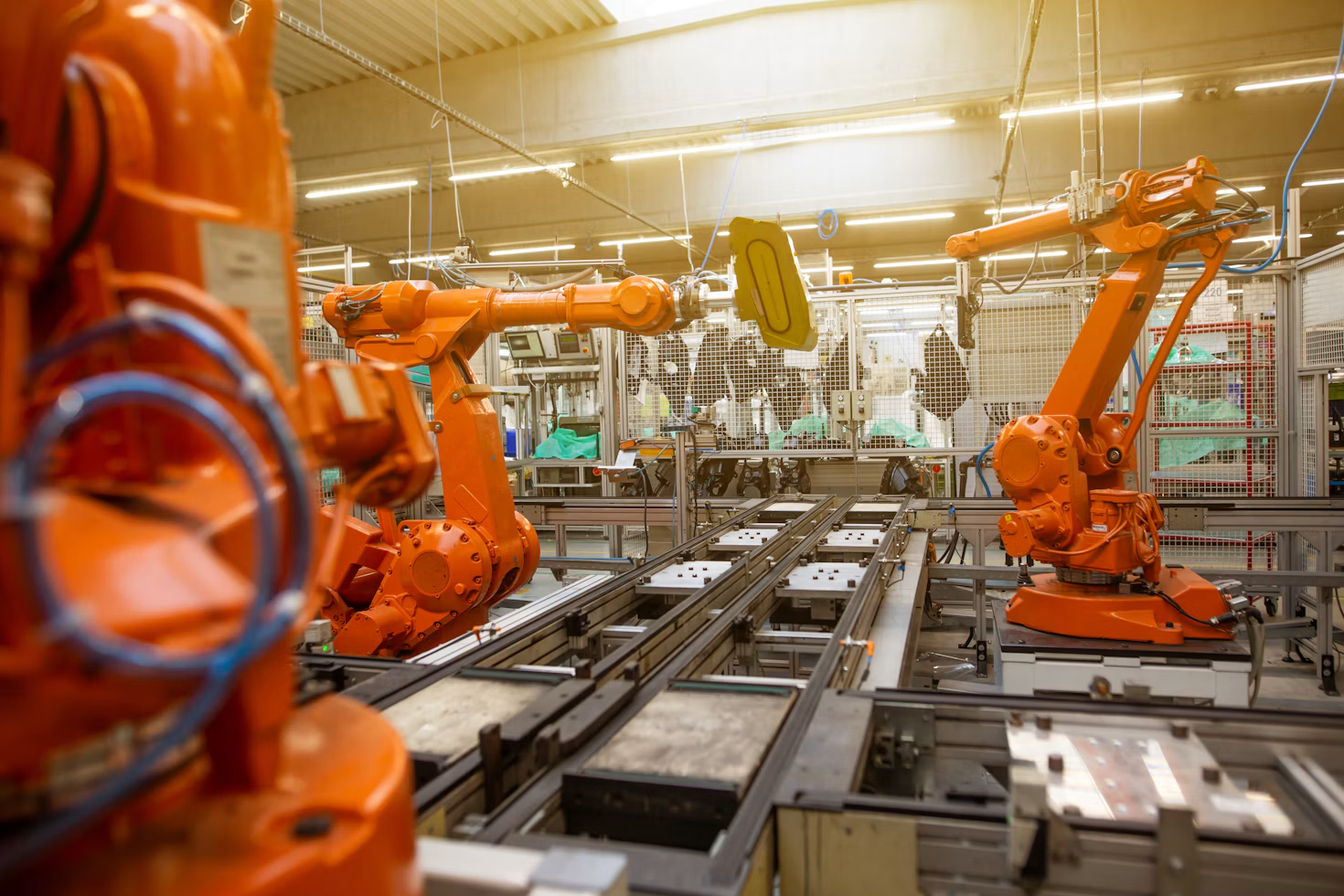
The manufacturing industry remains under the spotlight after increased concerns surrounding trust and reliability. There was once a time when businesses would partner with manufacturing companies based on locality or affordability – but that’s no longer the case. In a world where public perception is everything, manufacturing companies are under immense scrutiny due to frequent problems that have arisen within the industry.
This means that modern manufacturing businesses need to learn how to prove their trust by dealing with the common concerns that keep coming up in today’s world.
The Big Cybersecurity Threat
As technology becomes a massive part of manufacturing, companies in this sector are under the microscope because of their cybersecurity practices. Data breaches have been a concern for a while, but there’s a bigger one that recently came to fruition across Europe: remote hacking.
It was reported in November 2026 that supermarkets across Europe suffered at the hands of fridge-freezer hacks. Someone was hacking into the fridges and freezers, turning up the temperature and ruining food. The responsibility for these hacks fell on the shoulders of the companies that manufactured the fridges, as they were believed not to have installed the correct cybersecurity systems inside that could’ve prevented these threats.
As a consequence, manufacturing companies now face extra scrutiny to prove that the systems they build and install are secure. Businesses are extra worried about purchasing products from companies that may end up being hacked or suffering other cybersecurity breaches. It means that a big chunk of development and marketing goes into proving the cybersecurity of a manufacturing company.
AI-Generated Product Representations
For some manufacturing companies, it’s not always easy to showcase the products they’re capable of producing. So, some have taken to using AI to generate images or videos for prospective clients to look at. While this may come across as a smart way to show a company what they may be getting, others have taken it the other way and view this as a complete breach of trust.
It depends on how AI is used, but there’s a general consensus that manufacturing companies that post AI-generated product images – complete with AI product descriptions – are losing trust with their audience. People with purchasing power need to feel like they can trust a manufacturer, and this is hard to do when there’s AI everywhere. It ruins the authenticity and can make it harder for a brand to find long-term partners.
The uncertainty around AI-generated information and images means that any good manufacturing marketing agency will tell companies to focus more on authentic images and descriptions. No matter how hard it may be, it’s worth the effort to take proper photos or videos that showcase product capabilities – and all descriptions need to be written by a human hand to build trust. AI has its place in the manufacturing workflow, but it should be in the background instead of making up a company website.
Supply Chain Concerns
The world has long since woken up to the dirty practices that happen throughout certain supply chains. We’ve all heard the horror stories of sweatshops hiring children, but this still happens to this day. From a manufacturing perspective, this means there will always be question marks about your supply chain.
- Where do your raw materials come from?
- Do you have evidence of all suppliers’ credentials?
People are aware that the manufacturer itself may exist in a factory with ethical working conditions, great wages for employees, and all the other good stuff. What they’re worried about is where things come from outside of the factory, from other suppliers. Every manufacturing business will have a supply chain, and you need to prove that yours is ethical.
This starts with full transparency: you should outline where every single thing comes from, point to your suppliers, and make sure everyone knows everything. It enables people to do their own research and to discover that your supply chain is ethical and supports good working conditions and rights for all. Of course, the biggest part of this also involves searching for reliable and ethical suppliers. It’s no longer about finding the cheapest option, but about working with partners that you can trust. If you trust them, consumers and businesses will trust your manufacturing business.
Greenwashing
Sustainability is undeniably a massive part of manufacturing in this day and age, and companies are urged to follow as many sustainable practices as possible. Whether this involves powering factories with renewable energy sources, relying on more eco-friendly raw materials, or anything else, sustainability is a factor that influences your perceived level of trust.
But this throws up a major concern: greenwashing.
Greenwashing is when manufacturing companies claim that they’re being sustainable, but the reality shows a different story. This comes in the form of exaggerating environmental benefits, making vague remarks about being a “green business”, or not taking into account the impact of a wider supply chain. Environmental credentials have only become important in the last two or three decades, but this has only spurred more manufacturing companies to take up greenwashing.
In fairness, some do this without malicious intentions. It is common for some companies to think they’re being sustainable when actually they’re not. That’s why it is extra important to look at the business as a whole to determine if the entire manufacturing process is as sustainable as you suggest. It is arguably worse to greenwash than it is to simply be upfront about the business not being very sustainable.
What This Means For Manufacturing Companies
Ultimately, all of this means that manufacturing businesses are under way more scrutiny than ever before. People are wising up to the way things work in this industry, and they’re no longer standing for things like unsustainable practices, unethical supply chains, or overuse of AI. Throw in the cybersecurity threats, and a manufacturer has a lot on their plate right now – and as they look to the future.
It shifts the main emphasis to building trust and proving that there’s no reason for anyone to distrust the products you make or the way you make them. This has never been harder for manufacturing businesses to do, but that doesn’t mean it’s impossible.






Comment