
Modern Digital Payments: The Future of Global Money Movement

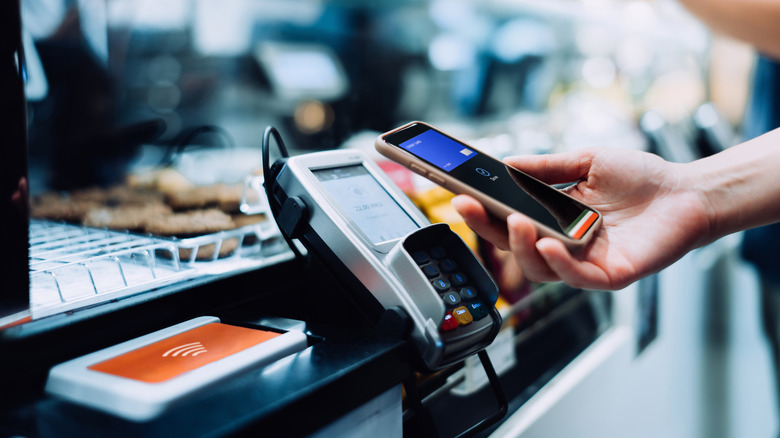
The way businesses and individuals manage money has changed dramatically over the last decade. Traditional banking methods, once dependent on lengthy processing times, high fees, and geographical restrictions, are now being replaced by faster and more flexible digital payment solutions. From e-wallets and cryptocurrency exchanges to virtual cards and instant global payouts, modern payment ecosystems are transforming how money moves worldwide.
The Rise of E-Wallets in Everyday Finance
E-wallets have become a central part of digital payments because they combine convenience, speed, and accessibility. Instead of carrying physical cash or relying solely on bank cards, users can store multiple currencies, payment methods, and even cryptocurrencies in one secure application.
For businesses, e-wallets simplify operations by allowing instant transactions, streamlined accounting, and easier international payments. Consumers benefit from frictionless online shopping, faster transfers, and reduced dependency on traditional banks.
Security is also a major factor behind their popularity. Most leading e-wallet providers now offer multi-factor authentication, encrypted transactions, and fraud monitoring systems to protect user funds and data.
Crypto Swaps and the Expansion of Digital Assets
Cryptocurrencies are no longer niche investment tools. Today, businesses and individuals use digital assets for payments, cross-border transfers, and portfolio diversification.
Crypto swaps have made this ecosystem far more practical. Instead of using complicated exchanges, users can instantly convert one cryptocurrency into another with minimal effort. This improves liquidity and allows businesses to accept or manage multiple digital assets without unnecessary complexity.
For international operations, crypto payments can significantly reduce settlement times compared to conventional banking rails. Transactions that once required several business days can now be completed within minutes.
However, businesses need reliable infrastructure to manage both fiat and crypto efficiently. Platforms that integrate both ecosystems are becoming increasingly valuable for companies operating globally.
Virtual and Plastic Cards for Flexible Spending
Modern payment solutions also include virtual and physical cards designed for online and offline spending.
Virtual cards are especially useful for digital subscriptions, advertising expenses, SaaS payments, and secure online shopping. Since they can often be generated instantly and managed digitally, they reduce fraud risks while offering better expense control.
Plastic cards remain relevant for businesses and individuals who need physical spending access. Combined with digital platforms, these cards often support multi-currency balances, ATM withdrawals, and real-time expense tracking.
This hybrid model bridges traditional finance with newer payment technology, giving users more control over how and where they spend.
Fast B2B and B2C Transfers
Speed has become a competitive necessity in digital payments. Businesses increasingly expect near-instant settlements for vendor payments, salaries, contractor invoices, and customer payouts.
Fast B2B transfers improve cash flow management, reduce operational delays, and enhance supplier relationships. Similarly, B2C payments are critical for customer refunds, affiliate commissions, marketplace disbursements, and payroll.
Companies searching for scalable business payment services can explore platforms like business payment services, which combine fiat and crypto support in one ecosystem.
Organizations managing remote teams and freelancers also benefit from dedicated contractor payroll services, helping automate payments across different countries and currencies.
For enterprises handling bulk disbursements, affiliate networks, or marketplace settlements, mass payout solutions offer streamlined payment workflows with reduced administrative overhead.
Why All-in-One Payment Platforms Matter
As financial systems become more fragmented, businesses increasingly need unified platforms that centralize payments, asset management, and payout infrastructure.
An all-in-one platform like Volet provides businesses with tools to manage fiat currencies, cryptocurrencies, payment cards, and international transfers within a single secure environment. This reduces operational complexity while improving speed, transparency, and flexibility.
Instead of juggling separate services for wallets, crypto exchanges, cards, and payouts, businesses can consolidate their financial operations into one integrated ecosystem.
Final Thoughts
Digital payments are no longer just about transferring money online—they represent a broader shift toward faster, smarter, and borderless financial systems.
E-wallets simplify money management, crypto swaps increase flexibility, virtual and physical cards modernize spending, and rapid B2B/B2C transfers improve operational efficiency. Businesses that embrace these technologies gain a significant advantage in a world where speed, accessibility, and global reach are becoming standard expectations.
As payment innovation continues to evolve, platforms that unify these services will likely define the next generation of digital finance.
FAQs About Modern Digital Payments
1. What are digital payments?
Digital payments refer to electronic transactions made without physical cash. These include online bank transfers, mobile wallets, card payments, cryptocurrency transactions, and instant payment services used for both personal and business purposes.
2. How do e-wallets improve payment convenience?
E-wallets allow users to store funds, payment cards, and sometimes cryptocurrencies in one app. They make sending money, paying bills, shopping online, and managing multiple currencies faster and more convenient than traditional banking methods.
3. What are crypto swaps?
Crypto swaps are transactions that let users exchange one cryptocurrency for another quickly without using traditional trading methods. For example, a user can swap Bitcoin for Ethereum instantly through a supported platform.
4. Why do businesses use mass payout solutions?
Businesses use mass payout systems to send payments to multiple recipients at once, such as freelancers, affiliates, vendors, or marketplace sellers. This saves time, reduces manual work, and improves payment accuracy.
5. Are virtual cards safer than physical cards?
Virtual cards can be safer for online payments because they are digitally generated and often include customizable spending limits, merchant restrictions, or one-time use options, reducing the risk of fraud or unauthorized transactions.







Comment