
Mobile Payments & Wallets in America: Use Cases, Benefits, Risks, and Long-Term Opportunities

Splitting dinner four ways, paying a babysitter, boarding a train, and buying a coffee can now happen through the same app on the same phone, often without a single card leaving a pocket. Mobile payments and wallets in America have spread from the checkout into transit, payroll, peer-to-peer transfers, and identity. With wallets accepted at the vast majority of US merchants, per NCH Stats usage data, and instant bank rails increasingly funding them, per The Clearing House, the use cases are widening faster than most people notice. A wallet that once held only a debit card now carries transit passes, tickets, identity, and a paycheck pulled forward to the day it was earned. This is where the tap is going next, and the destination is bigger than payments alone.
The use cases beyond the checkout
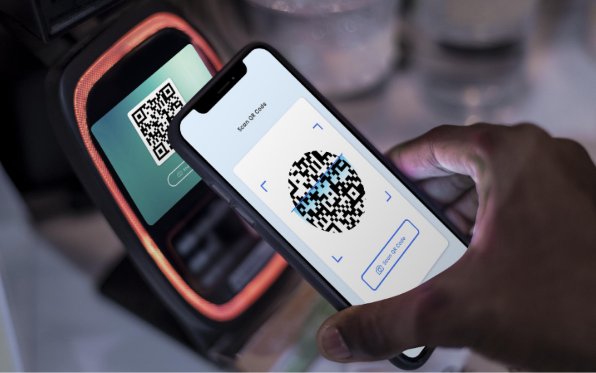
Mobile wallets started at the point of sale, but their reach now extends much further. Peer-to-peer transfers let friends settle debts instantly. Transit systems accept the same wallet that pays for lunch. Earned-wage access lets workers pull pay into a wallet before payday. And digital identity is moving in, with state IDs and tickets stored beside payment cards.
Each use case rides the same core capability: a secure, tokenized credential the phone can present on demand. That is why a single wallet can hold a debit card, a transit pass, and a driver’s license without compromising any of them.
Benefits for consumers and businesses
For consumers, the benefit is consolidation and speed. One device replaces a wallet of cards, a transit pass, and increasingly an ID. Payments are faster, records are automatic, and biometric approval makes the whole thing both quicker and safer than fumbling for plastic.
For businesses, wallets unlock faster checkout, lower fraud exposure through tokenization, and a direct channel to repeat customers. Retailers that build loyalty into their own wallet can turn a payment into a relationship. And instant-funded wallets let merchants receive money that settles in seconds rather than days, which improves cash flow.
The table below maps the leading US use cases to the value they create.
Use cases at a glance
| Use case | Who benefits | Core value |
|---|---|---|
| Tap to pay in store | Shoppers, merchants | Fast, tokenized checkout |
| Peer-to-peer transfers | Consumers | Instant settle-up between people |
| Transit and tickets | Commuters | One credential for travel |
| Earned-wage access | Workers | Pay before payday |
| Digital ID | Consumers, agencies | Secure identity on the phone |
Source: US mobile-wallet feature landscape, 2025.
The risks to weigh
Concentration is the first risk. As a phone holds cards, identity, transit, and keys, losing it, or losing access to it, becomes far more disruptive than misplacing a card. Strong device security and reliable account recovery become essential, not optional.
Fraud also adapts. As tokenization shut down stolen-card-number attacks, criminals shifted to social engineering, tricking people into approving payments or handing over wallet access. That pattern is documented in this report on rising online fraud, and it means the weakest link in a wallet is increasingly the human, not the hardware.
The long-term opportunity
The durable opportunity sits in the platforms that turn the wallet into more than a payment tool. Loyalty, identity, lending, and instant payouts can all be layered onto a wallet, and the firm that owns the default payment credential is well placed to add them. The infrastructure that funds wallets through bank accounts, explored in this guide to ERP-centric payments and treasury, is part of that build-out.
For founders and investors, the signal is that wallets are becoming an operating system for money and identity, not just a way to pay. The competition is no longer over the tap itself but over everything the tap can carry.
What the data says about adoption
The direction of travel is unambiguous. Contactless payments have become the norm at US terminals, wallets are accepted at the large majority of merchants, and account-to-account funding of wallets was among the fastest-growing drivers of instant-payment volume in 2025. Each data point describes the same underlying shift from plastic to phone.
What makes the US case distinctive is the layering. Rather than a single national wallet, the country has device wallets, bank wallets, and merchant wallets competing and overlapping, which gives consumers choice but fragments the experience. The firms that simplify that fragmentation, letting a user pay the same way everywhere, capture outsized value.
Cross-border use is the next chapter. Digital wallets already let US consumers pay overseas merchants in a click, and that capability is expanding as wallets connect to international rails, a trend visible in this overview of B2B cross-border payment solutions. The same wallet that buys a local coffee is becoming a passport for global commerce.
For businesses planning ahead, the practical implication is that wallet acceptance is no longer a regional or in-store decision. It is a baseline expectation across channels and borders, and the cost of being the last checkout to require a typed card number keeps rising as the tap becomes universal. The retailers and banks that treat wallet acceptance as a strategic channel, rather than a checkbox, are the ones turning a payment moment into a lasting customer relationship.
None of this means cards disappear overnight. Plenty of Americans still reach for plastic, and card networks remain the rails underneath most wallet taps. But the share of payments that begin and end inside a phone keeps climbing, and every added use case, from transit to identity, gives a consumer one more reason to leave the card at home.
America was slower than some markets to abandon cards, but the wallet has now reached the point where adding the next credential, an ID, a key, a paycheck, feels natural rather than novel. The phone is becoming the thing people cannot leave home without, and payments were only the beginning. The next decade of mobile money will be decided less by who processes the payment and more by who owns the everyday app that people open without thinking. Whoever wins that habit will shape how a generation of Americans pays, saves, and proves who they are.
Previously in Payments: Going Cashless? Here’s How the Kotak811 App Can Help with Digital Payments




Comment