
Maximize Comfort with Soft 4×6 Area Rugs for Small Spaces

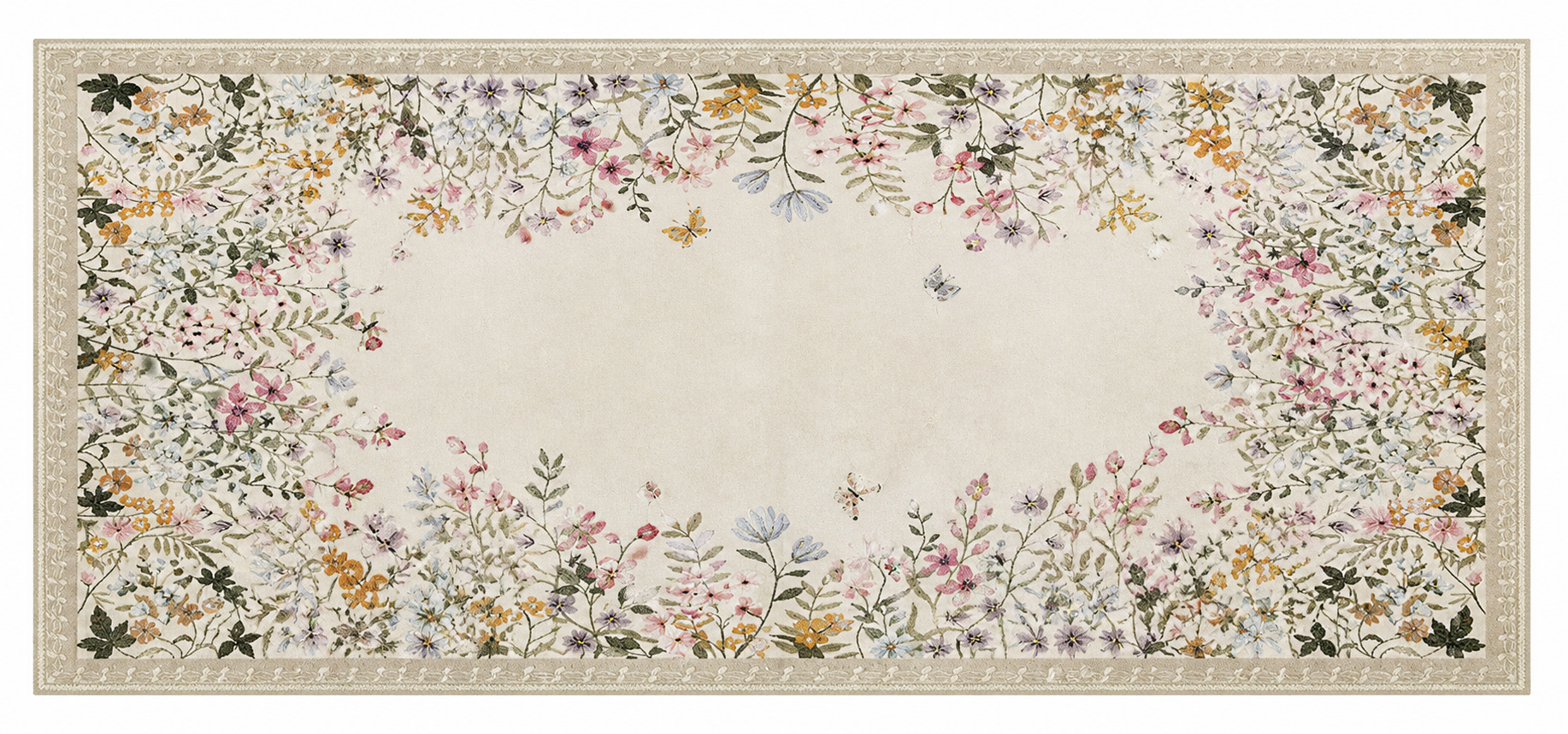
Decorating a small apartment or compact home comes with its own set of frustrations. Every square foot matters, furniture placement feels like a puzzle, and finding decor that works hard without eating up precious space is a constant challenge. You want your home to feel warm and inviting, not cramped and cluttered — and that balance is harder to strike than it sounds.
That’s where a well-chosen area rug can quietly transform everything. Among the many size options available, 4×6 rugs hit a sweet spot that larger rugs simply can’t match in tight quarters. They’re substantial enough to anchor a seating area or define an entryway, yet compact enough to let your room breathe. When that rug is also genuinely soft underfoot, the payoff is immediate — your space feels more livable, more finished, and more like home.
This article explores how soft 4×6 area rugs can maximize both comfort and durability in small living spaces. From material choices and traffic resistance to easy maintenance and smart decorating strategies, you’ll find practical guidance to help you choose a small living area rug that truly works for your lifestyle.
Why 4×6 Area Rugs Are Ideal for Small Spaces
When square footage is limited, every design decision carries more weight — and rug size is no exception. A 4×6 area rug occupies roughly 24 square feet, which is enough to make a meaningful visual statement without dominating the room. In a small living space, that distinction matters enormously. Oversized rugs can make tight rooms feel even more enclosed, while rugs that are too small look like afterthoughts floating in open floor space. The 4×6 footprint lands in the right middle ground, giving your room a sense of intention and polish.
Placement flexibility is another reason this size works so well in compact homes. In a living room, a 4×6 rug can sit comfortably in front of a sofa with just the front legs of the furniture resting on it — a classic arrangement that grounds the seating area without requiring a massive rug. In an entryway or hallway, the same rug fills the space naturally, welcoming guests without crowding the passage. It also works beautifully beside a bed, under a small dining table, or in a reading nook, making it one of the most adaptable options in the small living area rug category.
From a visual standpoint, a well-placed 4×6 rug helps define zones in open-plan apartments, which is a practical trick for making a single room feel like it serves multiple purposes. Choosing the right rug sizing for apartments starts with understanding how a rug shapes the perception of space — and at 4×6, the proportions consistently work in your favor.
Choosing Soft Rugs for Ultimate Comfort
Softness in a rug isn’t just a luxury — in a small space where you’re constantly moving through the same areas, it directly affects how comfortable your home feels day to day. A soft rug underfoot can make a bare apartment feel genuinely lived-in, and in compact rooms where hard flooring dominates, that tactile warmth makes a noticeable difference. Beyond comfort, soft rugs also absorb sound, which matters more in smaller spaces where noise tends to bounce around more readily.
Top Materials for Soft and Cozy Rugs
Material choice is the single biggest factor in how a rug feels underfoot. Cotton rugs are lightweight, breathable, and naturally soft, making them a reliable pick for bedrooms and low-traffic reading corners. Chenille — a looped, velvety fiber — delivers exceptional plushness and a subtle sheen that elevates small spaces visually while remaining gentle underfoot. For those who want softness without the higher price point of natural fibers, high-pile synthetic options made from polyester microfibers offer a cloud-like feel that rivals more expensive materials. Brands like Lahome have made this type of soft, high-pile synthetic rug widely accessible in the 4×6 format, offering a range of colors and textures suited to compact living spaces. These synthetics are also naturally resistant to moisture, which makes them practical for entryways and kitchens where spills are more likely.
How Softness Enhances Daily Living
The physical benefits of a soft rug go beyond simple comfort. Standing on a cushioned surface reduces fatigue in high-use zones like the kitchen or a home office corner — areas where apartment dwellers often spend extended time on their feet. Psychologically, soft textures signal warmth and relaxation, which helps even the smallest room feel like a genuine retreat rather than a functional box. In open-plan apartments, a plush 4×6 rug also acts as a subtle acoustic buffer, softening the echo of hard floors and making the space feel quieter and more settled. Choosing the right texture is, in many ways, choosing the mood of your room.
Durability for Heavy Foot Traffic in Apartments
Softness matters, but in a small apartment where the same pathways get walked dozens of times a day, durability is equally non-negotiable. A rug that flattens, pills, or frays within a year isn’t a bargain — it’s a recurring expense. The good news is that choosing a hard-wearing 4×6 rug doesn’t mean sacrificing comfort or style. It means knowing which materials and construction methods hold up under real-life conditions.
Selecting Rugs That Last in High-Traffic Areas
Polypropylene is one of the most resilient synthetic fibers available for area rugs. It resists crushing underfoot, repels moisture naturally, and stands up to staining better than most natural fibers — all qualities that matter when a rug sits in a busy entryway or a frequently used living room. Nylon is another strong contender, offering exceptional tensile strength and a bounce-back quality that keeps the pile looking full even after heavy use. For apartment dwellers who want a natural option, wool remains a time-tested choice: its natural crimp gives it structural resilience, and it handles moderate traffic well when the pile is dense enough.
Construction quality is just as important as material. Look for rugs with a dense, tight weave and a pile height between 0.25 and 0.5 inches — low enough to resist matting but substantial enough to feel comfortable underfoot. A higher knot count generally signals better durability. Checking for a sturdy backing, whether latex or woven, also helps the rug hold its shape and stay anchored on hard floors. To extend the life of any rug in a high-traffic zone, rotate it every three to six months so wear distributes evenly, and use a quality rug pad underneath to reduce friction and prevent fiber breakdown from the base up.
The Convenience of Machine-Washable Rugs
In a small home, cleanliness is hard to ignore — dirt, pet hair, and spills are visible immediately, and there’s rarely a spare room to banish a rug while it dries. Machine-washable rugs solve this problem directly. Rather than scheduling professional cleaning or wrestling with a heavy rug in a bathtub, you simply toss it in the washing machine and have it back in place within a few hours. For apartment dwellers managing busy schedules, that convenience isn’t trivial — it’s the difference between a rug that stays fresh and one that gradually becomes an eyesore.
Most machine-washable 4×6 rugs are made from flat-weave cotton or low-pile synthetic blends, both of which hold their shape and color well through repeated wash cycles. Lahome’s machine-washable options, for instance, are designed with this practicality in mind, featuring constructions that maintain their appearance after multiple washes. To keep them performing at their best, wash on a gentle cold cycle, avoid high-heat drying, and reshape the rug while it’s still slightly damp. Some options are even dryer-safe on low heat, cutting drying time significantly. When shopping, look for rugs that explicitly state machine-washable on the label and confirm the weight fits your machine’s capacity — most standard home washers handle rugs up to around 10 to 12 pounds comfortably. Pairing a machine-washable rug with a thin, grippy rug pad also protects both the rug and your floor between washes, extending how long the rug stays in good condition without extra effort.
Practical Decorating Tips with Small Living Area Rugs
A 4×6 rug does more than cover floor space — when placed and styled thoughtfully, it actively shapes how a room looks and feels. In compact apartments where every visual decision has outsized impact, knowing how to work with a small living area rug rather than simply dropping it in the middle of a room makes a real difference in the final result.
Maximizing Style and Function in Compact Rooms
Placement is the first thing to get right. In a living room, position the rug so it sits in front of the sofa with just the front legs of seating resting on it — this grounds the furniture grouping and creates a cohesive zone without requiring a larger rug. In a studio apartment, use the rug to carve out a distinct lounge or dining area from the surrounding open floor, giving the space a sense of structure that makes it feel more intentional and less like one undifferentiated room.
Color choice has a direct effect on perceived space. Light, neutral tones — warm ivory, soft sage, pale gray — reflect more light and make a room feel more open. If your walls and furniture are already neutral, a rug with a subtle geometric or organic pattern adds visual interest without introducing clutter. Bold, high-contrast patterns can work beautifully in small spaces too, but keep them contained to the rug itself so the eye has a clear focal point rather than competing distractions throughout the room.
Layering is a technique worth trying when you want more texture and depth. Place a flat-weave cotton rug as a base and layer a smaller sheepskin or woven accent piece on top for a collected, styled look that adds warmth without requiring a larger footprint. Finally, always use a non-slip rug pad underneath — it keeps the rug anchored, protects your floor, and adds a small but noticeable boost of cushioning underfoot.
Small Rugs, Big Impact: Making the Most of Your 4×6 Choice
A well-chosen 4×6 area rug does more for a small space than most people expect. It anchors furniture arrangements, defines functional zones, absorbs sound, and introduces warmth — all without consuming the floor space that compact rooms can’t afford to lose. When that rug is also genuinely soft underfoot, the everyday experience of living in a small apartment shifts in a way that’s immediately noticeable.
Throughout this article, the key themes have been consistent: material choice determines both softness and longevity, construction quality separates rugs that hold up from those that don’t, and thoughtful placement transforms a rug from a floor covering into a design decision. Machine-washable options remove the maintenance burden that often makes rug ownership feel like more trouble than it’s worth, and smart decorating strategies — from zone definition to color selection — help a single 4×6 rug punch well above its size.
If you’re furnishing a studio apartment, refreshing a cramped entryway, or simply trying to make a small room feel more like home, start with the rug. Choose a soft, durable 4×6 that fits your traffic level and cleaning habits, place it with intention, and let it do the work. The difference it makes is immediate, practical, and lasting.







Comment