
Is Laser Dentistry Worth It? Cost, Benefits and Recovery Explained

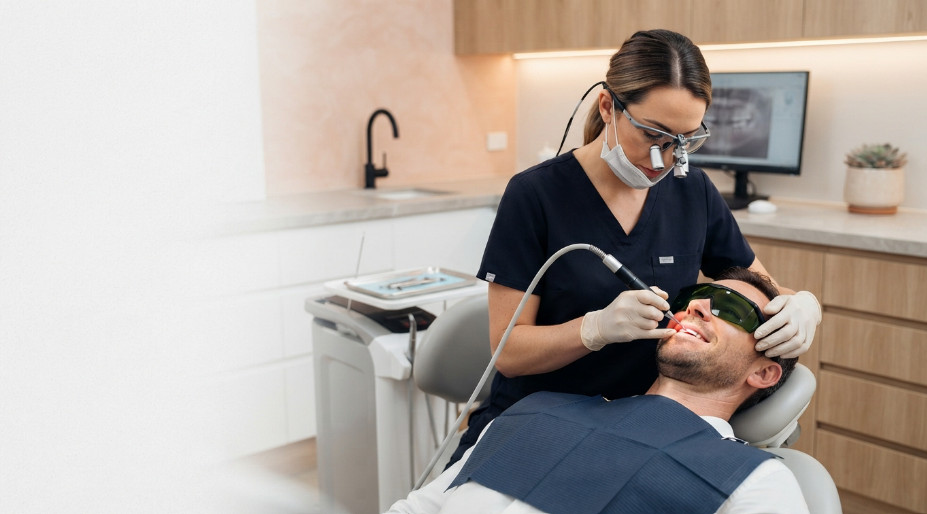
If you’ve been putting off gum treatment because you’re dreading the drill, you’re not alone. Laser dentistry has quietly become one of the most talked-about options in modern dental care, and for good reason — it’s often gentler, quicker to heal from, and more precise than traditional methods. This guide walks you through what laser dentistry actually costs in Australia, what it treats, and what recovery really looks like, so you can make an informed decision with your Sunbury dentist.
In This Article, You’ll Discover…
- What laser dentistry is and how it differs from traditional drill-and-fill treatment
- The real cost of laser dentistry in Australia, including gum treatment pricing
- Five key benefits of choosing laser over conventional dental tools
- What recovery actually feels like, day by day
- Which conditions laser dentistry can and can’t treat
- How to know if you’re a good candidate
- Answers to the questions Sunbury and Aintree families ask us most
What Exactly Is Laser Dentistry?
Laser dentistry uses a focused beam of light energy instead of a traditional drill or scalpel to treat gum disease, reshape soft tissue, and even prepare teeth for fillings. It sounds futuristic, but it’s been used in dental practices for decades now.
The laser works by targeting specific tissue with precision most drills simply can’t match. Think of it like the difference between cutting paper with sharp scissors versus tearing it by hand — one is controlled, the other isn’t.
For families searching for a dentist Sunbury locals trust, laser treatment is increasingly common for gum therapy, frenectomies (tongue and lip tie release), and treating small areas of decay.
Laser Dentistry Cost: What You’re Actually Paying For
Let’s get straight to what most people want to know — the price.
There’s no single flat fee across Australia, because pricing depends on the practice, the procedure, and how much tissue needs treating. That said, here’s a general breakdown based on current industry data:
- Laser gum treatment (per quadrant): Typically ranges from $500 to $550 per quadrant for straightforward periodontal therapy, though more complex laser gum surgery can run higher.
- Full-mouth laser gum therapy: Often sits between $2,000 and $2,200 for simpler cases, but more extensive laser periodontal surgery can range from $1,500 to $6,000 per quadrant depending on severity.
- Minor soft tissue procedures: Smaller jobs like frenectomies or minor lesion removal are usually priced individually and tend to sit at the lower end of the scale.
It’s worth remembering that there are no standardised dental fees in Australia — every practice sets its own pricing based on complexity, time, and equipment. That’s why a proper consultation and quote matters more than any online estimate, including this one.
Yes, laser treatment can cost a bit more upfront than traditional methods. But when you factor in fewer follow-up visits, less need for anaesthesia, and quicker healing, many patients find the value stacks up over time.
Benefits of Laser Dentistry: Why It’s Gaining Popularity
So what’s the actual appeal? Here’s what tends to matter most to our Sunbury and Aintree patients.
Less Discomfort During Treatment
No screeching drill sound. No vibration through your jaw. Laser treatment typically produces a soft buzzing or clicking sensation instead, and many procedures need little to no local anaesthetic at all.
Reduced Bleeding
Here’s something genuinely clever about how lasers work — the beam seals blood vessels as it cuts. Less bleeding usually means fewer stitches and a cleaner treatment site overall.
Faster Healing Times
Because laser dentistry removes only the affected tissue and sterilises the area as it goes, healing can happen in days rather than weeks for many soft tissue procedures.
Precision That Protects Healthy Tissue
A laser targets exactly what needs treating — nothing more. That means the healthy parts of your gums and teeth generally stay untouched, which isn’t always possible with a scalpel.
Lower Infection Risk
The intense light sterilises tissue as it works, which can reduce the bacterial load in the treatment area during the procedure itself.
Here’s a quick side-by-side to put it in perspective:
| Factor | Traditional Treatment | Laser Treatment |
|---|---|---|
| Bleeding | Often more noticeable | Typically reduced |
| Anaesthesia needed | Usually required | Often minimal |
| Healing time | Days to weeks | Often faster for soft tissue |
| Precision | Broader treatment area | Highly targeted |
Recovery After Laser Dentistry: What to Actually Expect
Recovery varies depending on what’s being treated, but here’s a realistic picture for most soft tissue laser procedures.
Day 1: Mild tenderness is common, similar to a minor mouth ulcer. Most people can eat soft foods within hours.
Days 2–3: Swelling, if any, usually starts settling. This is generally when patients notice they’re back to normal daily routines.
Days 4–7: Tissue continues healing, and most patients report feeling completely comfortable by the end of the first week.
That said, recovery isn’t identical for everyone. Your dentist will give you a tailored recovery plan based on your specific treatment, and it’s important to follow that advice rather than general online guidance — including this article.
Is Laser Dentistry Right for Everyone?
Honestly? Not always. Laser dentistry works brilliantly for soft tissue procedures like gum reshaping, treating gum disease, and frenectomies. It’s less suited to certain fillings or more complex restorative work, where traditional tools still do the job better.
The best way to know if it suits your situation is a proper clinical assessment. That’s not us dodging the question — it genuinely depends on your teeth, gums, and treatment goals.
Modern Dental Technology: Why It Matters for Your Family
Choosing a practice that invests in modern dental technology isn’t just about having shiny equipment. It reflects an ongoing commitment to comfort, precision, and better outcomes for patients of all ages.
For families searching for a Sunbury Dentist who keeps pace with advancements like laser treatment, digital scanning, and pain-free dentistry options, technology is one part of a bigger picture that includes genuine care and clear communication.
What Sunbury and Aintree Families Are Searching For
If you’re closer to Aintree, you’re not alone in looking locally. Common searches we see include people looking for the best dentist in Aintree, an affordable dentist Aintree families can rely on, and a family dental clinic Aintree parents trust for kids and adults alike.
Others are searching for a gentle dentist Aintree option after a nervous experience elsewhere, or a dentist accepting new patients Aintree right now. Some need urgent help — a same day dentist appointment Aintree or an emergency dental clinic Aintree can access quickly matters more than anything else in that moment.
And plenty of people are simply comparing options for bigger decisions, like an Invisalign consultation Aintree, a teeth whitening dentist Aintree, or working out dental implants cost Aintree before committing to treatment.
Wherever you’re searching from, Sunbury Dental serves families across the wider Sunbury and Aintree area with the same standard of care.
Frequently Asked Questions
Is laser dentistry more expensive than traditional dentistry?
It can be slightly more upfront, particularly for gum treatments, though pricing varies by practice and procedure complexity. Many patients find the reduced recovery time and comfort offset the initial cost difference.
Does laser gum treatment hurt?
Most patients report significantly less discomfort compared to traditional gum surgery, often needing minimal or no anaesthetic. Everyone’s pain tolerance differs, so your dentist will discuss what to expect for your specific case.
How long does recovery take after laser dental treatment?
For many soft tissue procedures, initial healing happens within a few days, with full recovery often complete within a week. Recovery time depends on the specific treatment and individual healing factors.
Can laser dentistry treat gum disease?
Yes, laser therapy is commonly used to treat gum disease by removing infected tissue and reducing bacteria in the treated area. Your dentist will assess the severity of your gum disease to determine if laser treatment is suitable.
Is laser dentistry safe for children?
Laser dentistry can be suitable for some paediatric procedures, though suitability depends on the child’s specific needs and the treatment required. A consultation with your family dentist is the best way to determine if it’s appropriate.
Do I need a referral to get laser gum treatment?
No referral is typically needed — you can book a consultation directly with your general dentist to discuss whether laser treatment suits your situation.
Conclusion
Laser dentistry isn’t a gimmick — it’s a genuine step forward for treating gum disease and soft tissue concerns with less discomfort and often faster healing than traditional methods. Pricing varies depending on your specific treatment needs, and the only way to get an accurate picture is through a proper consultation. If you’ve been putting off gum treatment because you’re worried about pain or downtime, it might be worth having that conversation.





Comment