
IPTV vs Traditional TV: What Actually Matters for UK Viewers in 2026

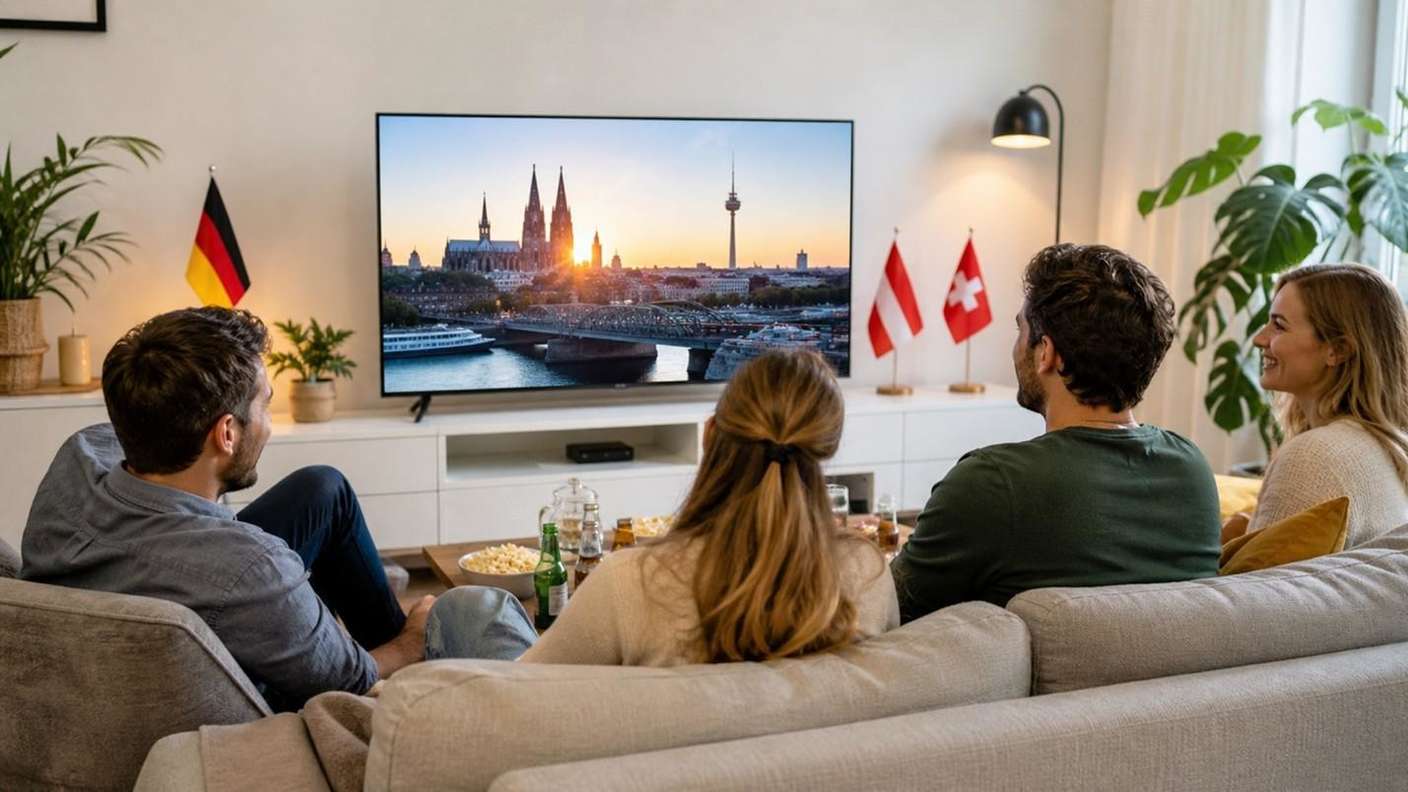
Television in the UK is changing. Viewers are no longer limited to choosing between an aerial, satellite dish, or cable connection. Today, households can combine live TV, catch-up platforms, subscription services, online video, and internet-delivered television.
This makes the IPTV vs traditional TV debate less about which technology will replace the other and more about what actually matters to viewers: content, reliability, device compatibility, connectivity, price, and convenience.
For people researching B1G IPTV and other internet-based television options, understanding these differences is more useful than simply comparing channel numbers.
IPTV vs Traditional TV: What Is the Difference?
The main difference comes down to how television content reaches the viewer.
IPTV, or Internet Protocol Television, delivers television content through an IP network. Depending on the service, this can include live channels, on-demand programming, and access through connected devices.
Traditional television generally refers to established delivery methods such as:
- Terrestrial television through an aerial
- Satellite television
- Cable television
Each approach has different technical requirements. Traditional TV may depend on local broadcast infrastructure, satellite reception, or cable equipment, while IPTV generally relies more heavily on an internet connection and compatible hardware.
Neither technology automatically guarantees a better viewing experience. What matters is how well the technology fits the viewer’s needs.
How Traditional TV Still Fits Into UK Homes
It would be misleading to suggest that traditional television has disappeared.
Ofcom’s Media Nations 2026 report found that broadcaster content still accounts for the majority of video watched in UK homes. At the same time, weekly broadcast-TV reach has continued to decline, while broadcaster video-on-demand viewing has grown.
This shows that the UK television market is changing rather than simply moving away from traditional broadcasting.
Traditional TV can still appeal to viewers who value:
- Familiar scheduled programming
- Live television
- Established broadcast infrastructure
- Major sporting and cultural events
- Less dependence on broadband for basic broadcast reception
IPTV vs Traditional TV — Guest Post | Page 1
For many households, traditional television is therefore becoming part of a wider viewing setup rather than something that needs to be completely replaced.
How IPTV Changes the Viewing Experience
IPTV takes a different approach to television delivery.
Because content is delivered through an IP network, services can potentially bring together live television, on-demand programming, and connected devices within one environment.
This can be particularly useful for viewers who already use smart TVs, streaming devices, or other connected hardware.
However, IPTV also introduces an important dependency: the internet connection becomes part of the viewing experience.
A fast broadband package is helpful, but speed is not the only factor that matters. Wi-Fi quality, network congestion, router performance, device capability, and the provider’s streaming infrastructure can all affect playback.
For this reason, anyone comparing IPTV options should look at the complete setup rather than focusing only on advertised internet speeds.
IPTV vs Traditional TV: Key Differences
| Factor | IPTV | Traditional TV |
| Delivery | IP network/internet | Terrestrial, satellite, or cable |
| Internet dependency | Generally important | Depends on delivery method |
| Device flexibility | Often supports connected devices | Depends on provider and equipment |
| Live television | Available through supported services | Core feature |
| On-demand viewing | Common | Increasingly available |
| Installation | Usually device/software based | May require aerial, dish, or provider equipment |
| Performance | Influenced by network conditions | Influenced by signal/infrastructure |
These differences describe the underlying technology rather than determining which option is universally better.
Why UK Viewing Habits Are Changing
The wider UK television market shows that audiences are becoming increasingly comfortable with combining different forms of video.
Ofcom reports that the UK commercial TV and online video market exceeded £18 billion in 2025, while online video continued to play an increasingly important role in the overall market.
Broadcaster video-on-demand has also become an important part of viewing. This creates an environment where someone might watch a live broadcast one evening, catch up through an on-demand platform the next day, and use online video on a television set later in the week.
The result is a more varied viewing experience.
Instead of asking whether traditional television or IPTV will “win,” consumers can ask which combination of services provides the content, flexibility, and reliability they actually need.
IPTV vs Traditional TV — Guest Post | Page 2
What Should UK Viewers Check Before Choosing an IPTV Service?
For readers researching internet-based television, B1G IPTV is one example of the type of IPTV subscription service they may encounter when comparing internet-delivered television with conventional options. When evaluating IPTV services in the UK, viewers should look beyond channel lists and consider device compatibility, connection requirements, pricing, service terms, and whether the provider has the appropriate rights to distribute its content.
This approach is more useful than choosing a service based solely on marketing claims. 1. Check Device Compatibility
Before subscribing, check whether the service works with the equipment you intend to use. Depending on the service, this could include:
- Smart TVs
- Streaming devices
- Mobile devices
- Computers
- Other compatible media hardware
Compatibility can vary between services, so it is worth confirming this before making a purchase. 2. Consider Your Internet Connection
Your broadband connection and home network can both affect IPTV performance.
Even a fast connection can experience problems if Wi-Fi coverage is poor or the network becomes heavily congested.
Consider the location of your router, the number of connected devices in your home, and the capabilities of the device being used for viewing.
- Look at Content Availability
A large channel count does not necessarily mean a service will be useful to a particular viewer.
Instead, think about the types of programming you actually watch and check whether they are legitimately available through the service.
- Understand Pricing and Terms
Look beyond the advertised subscription price.
Before subscribing, check:
- Subscription duration
- Renewal terms
- Supported devices
- Refund conditions
- Additional charges
- Customer support arrangements
IPTV vs Traditional TV — Guest Post | Page 3
Understanding these details in advance can help prevent unexpected costs later.
- Consider Content Rights
IPTV describes a delivery technology. It does not, by itself, determine whether a provider has permission to distribute particular programmes or channels.
Consumers should therefore review the provider’s terms and consider whether the content being offered is appropriately licensed for distribution.
Is IPTV Better Than Traditional TV?
There is no single answer that applies to every household.
IPTV may appeal to viewers who value:
- Internet-based access
- Connected-device flexibility
- Digital interfaces
- Integration with online services
- Live and on-demand options where offered
Traditional TV may appeal to viewers who value:
- Established broadcast infrastructure
- Scheduled programming
- Familiar equipment
- Less dependence on broadband for terrestrial or satellite reception
- Straightforward access to live broadcasts
The appropriate choice depends on the viewer’s habits, equipment, connectivity, and preferred content.
The Bigger Shift: From Television to Connected TV
One of the most significant changes is not simply IPTV replacing traditional television. It is the transformation of the television itself.
A modern TV can function as a gateway to broadcast channels, catch-up services, subscription platforms, and online video.
Ofcom’s latest research reflects this broader shift toward connected viewing. Broadcaster content remains significant, while online video and video-on-demand continue to change how audiences consume television.
This suggests that the future of television is likely to involve multiple delivery methods working alongside one another.
For consumers, that makes compatibility, reliability, and content availability increasingly important. Frequently Asked Questions
Is IPTV the same as streaming?
IPTV vs Traditional TV — Guest Post | Page 4
Not exactly. IPTV refers to television delivered using IP networks, while streaming is a broader term that covers many forms of internet-delivered audio and video.
Does IPTV require broadband?
Most consumer IPTV services rely on an internet connection, although the exact requirements depend on the service and delivery model.
Can IPTV replace traditional television?
It can replace some traditional viewing methods for some households, but it does not have to. Many UK viewers use broadcast, catch-up, and internet-based services together.
Is traditional TV still popular in the UK?
Yes. Ofcom’s 2026 research shows that broadcaster content still represents the majority of video watched in UK homes, even though weekly broadcast-TV reach has continued to decline.
Conclusion
The IPTV vs Traditional TV debate is becoming less about choosing one technology and more about finding the combination of services that fits a particular household.
Traditional broadcasting remains important in the UK, while internet-delivered television and on-demand viewing continue to reshape how people access content.
For viewers comparing their options in 2026, the most useful checklist is straightforward: • Content: Does it provide what you actually watch?
- Reliability: Can your connection and equipment handle it consistently?
- Compatibility: Does it work with your preferred devices?
- Cost: Are the subscription and renewal terms clear?
- Rights: Is the content legitimately available through the service?
These factors provide a more meaningful basis for evaluating television services than channel counts or marketing claims alone.







Comment