
iOS App Development in 2026: A Complete Guide

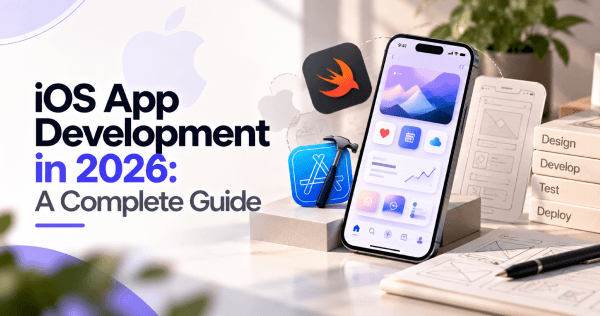
iOS app development continues to be an important part of the mobile app market in 2026. With millions of users relying on iPhones and iPads for communication, shopping, entertainment, banking, and business, companies are investing in applications that offer better performance, security, and user experiences.
However, building a successful iOS application requires more than writing code. Businesses need to understand the development process, technology choices, security requirements, design principles, testing, and ongoing maintenance.
This guide explains the key aspects of iOS app development in 2026 and what businesses should consider before starting a new project.
What Is iOS App Development?
iOS app development is the process of designing, developing, testing, and maintaining applications for Apple’s platforms, including iPhone and iPad. Developers typically use Apple’s development tools and technologies to create applications that follow Apple’s performance, security, and design standards.
Modern iOS development focuses heavily on responsive interfaces, smooth performance, data privacy, and integration with other Apple services and devices.
Why Invest in iOS App Development in 2026?
There are several reasons businesses continue to develop applications for Apple’s ecosystem.
1. Strong User Engagement
iOS users frequently interact with applications for shopping, finance, entertainment, productivity, and other activities. A well-designed application can help businesses build stronger relationships with their customers.
2. Focus on Security and Privacy
Security is a major consideration for mobile applications. Businesses handling payments, customer information, or sensitive data need strong authentication, secure data storage, and appropriate encryption practices.
3. Better Monetization Opportunities
iOS applications can support different revenue models, including subscriptions, in-app purchases, paid downloads, and advertising. The right model depends on the application’s target audience and business objectives.
4. Integration With the Apple Ecosystem
Applications can potentially connect with Apple devices and services, creating opportunities for businesses to offer more connected experiences across different platforms.
Key Technologies Used in iOS Development
Developers can choose from several technologies depending on the application’s requirements.
Swift
Swift remains one of the primary programming languages for developing applications across Apple’s platforms. It is designed for performance, safety, and modern application development.
SwiftUI
SwiftUI allows developers to build user interfaces using a declarative approach. It can help teams create and maintain interfaces across Apple’s platforms more efficiently.
Xcode
Xcode provides the development environment required to build, test, debug, and distribute Apple applications. It also includes tools for analyzing application performance and identifying potential issues.
APIs and Cloud Services
Modern iOS applications often connect with APIs, databases, cloud platforms, payment systems, analytics tools, and third-party services. These integrations allow applications to provide more advanced functionality.
The iOS App Development Process
A structured development process can reduce errors and help businesses manage project costs more effectively.
1. Define the App Idea
Start by identifying the problem the application will solve. Define the target users, core features, business objectives, and expected outcomes before development begins.
2. Conduct Market Research
Analyze competitors and understand what users expect from similar applications. Research can help identify gaps and opportunities that can influence your product strategy.
3. Create the UI/UX Design
The interface should be simple, intuitive, and consistent. Developers and designers should consider navigation, accessibility, screen sizes, user flows, and overall usability.
4. Select the Technology Stack
The development team should select appropriate programming languages, frameworks, APIs, databases, cloud services, and third-party tools based on project requirements.
For businesses working on larger digital products, partnering with a Bespoke Software Development Company can also help when the application requires custom architecture, specialized integrations, or complex business functionality.
5. Develop the Application
Developers build the application’s frontend, backend, APIs, database connections, authentication systems, and other required features.
6. Test the Application
Testing should cover functionality, performance, security, usability, compatibility, and different device configurations. Identifying problems before launch can prevent poor user experiences.
7. Launch the App
Once development and testing are complete, the application can be prepared for submission and distribution through Apple’s ecosystem. Teams should also ensure that the app meets the relevant platform requirements.
8. Maintain and Update
App development does not end after launch. Regular updates may be required to fix bugs, improve performance, introduce features, address security concerns, and maintain compatibility with newer platform versions.
How AI Is Changing iOS App Development
AI is becoming increasingly useful throughout the software development lifecycle. Development teams can use AI-assisted tools for code generation, debugging, documentation, testing, personalization, analytics, and customer support.
Businesses can also integrate AI-powered features directly into applications, such as conversational assistants, recommendations, content generation, image analysis, and automated workflows.
However, AI should support the development process rather than replace proper product planning, engineering practices, testing, and security reviews.
iOS App Security Considerations
Security should be considered from the beginning of the development process rather than added after the application is completed.
Important areas include:
- Secure authentication and authorization
- Encryption of sensitive information
- Secure API communication
- Proper data storage
- Protection against common application vulnerabilities
- Regular security testing
- Appropriate user permissions
- Secure handling of payment information
Businesses dealing with sensitive customer or financial information should give security requirements particular attention.
iOS App Development vs Cross-Platform Development
Businesses may also need to decide whether to build a native iOS application or use a cross-platform approach.
Native iOS development can provide deeper integration with Apple’s ecosystem and greater control over platform-specific features. Cross-platform development, on the other hand, can allow businesses to share more code between iOS and Android applications.
The right choice depends on factors such as budget, timeline, performance requirements, target platforms, application complexity, and available development resources.
For web-based products that also require modern interfaces, businesses may separately work with a reactjs development company to develop responsive web applications or supporting platforms that work alongside their mobile products.
How Much Does iOS App Development Cost?
The cost of developing an iOS application varies significantly depending on the project.
Factors that can influence the cost include:
- Number of features
- UI/UX complexity
- Backend requirements
- Third-party integrations
- AI functionality
- Payment integration
- Security requirements
- Development team location
- Testing requirements
- Post-launch maintenance
A simple application may require considerably less development effort than a complex fintech, healthcare, marketplace, or enterprise application.
Therefore, businesses should define their requirements and create a detailed project scope before estimating the final development budget.
How to Choose an iOS Development Company
Choosing the right development partner can have a major impact on the quality and long-term success of an application.
Before selecting a company, evaluate:
- Relevant experience – Review previous applications and projects.
- Technical expertise – Check knowledge of Swift, SwiftUI, APIs, cloud technologies, and other required tools.
- Development process – Understand how the company handles planning, development, testing, and deployment.
- Communication – Make sure communication channels and reporting processes are clear.
- Security practices – Ask how the team protects application and user data.
- Post-launch support – Confirm whether maintenance, updates, and bug fixes are included.
- Scalability – Ensure the application architecture can support future users and features.
Final Thoughts
Iphone app development company 2026 involves much more than creating an attractive mobile interface. Businesses need to consider product strategy, user experience, technology, security, testing, scalability, and long-term maintenance.
A clear development plan and the right technical partner can help turn an app idea into a reliable digital product. Whether you are building a customer-facing mobile application, an internal business tool, or a larger digital ecosystem, investing in proper planning and development practices can create a stronger foundation for future growth.






Comment