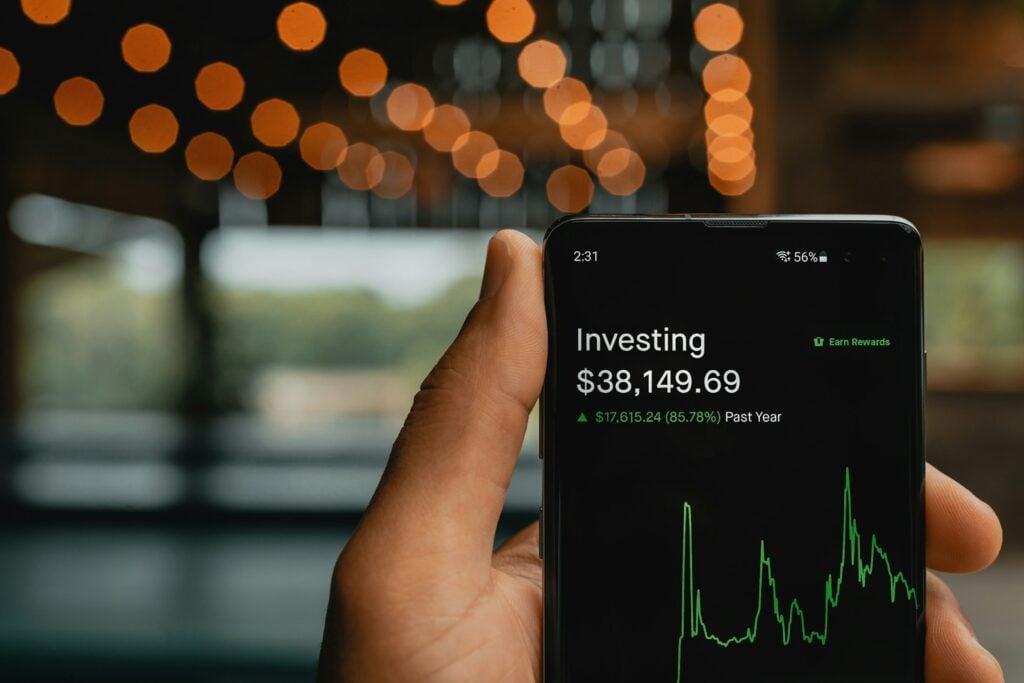
Learn how investing psychology, smart money strategies, ETFs, and economic data help investors make better financial decisions and build long-term wealth.
Successful investing is not only about charts, technical indicators, or picking the hottest stocks. In reality, the most successful investors often win because they understand human psychology better than the average market participant. Fear, greed, impatience, and overconfidence influence financial markets every single day. Investors who learn to control emotions and follow smart money strategies usually perform better over the long term.
Modern investing has also become more accessible than ever. Exchange-traded funds (ETFs), digital trading platforms, and online financial education have allowed ordinary people to participate in markets with relatively low barriers to entry. However, accessibility alone does not guarantee success. Without the right mindset and strategy, many beginners still make emotional decisions that damage their portfolios.
Understanding market behavior, economic trends, and long-term investing principles can help investors avoid common mistakes and make smarter financial decisions. Whether someone is building wealth for retirement, passive income, or financial independence, psychology plays a major role in the outcome.
Why Investing Psychology Matters
Financial markets are heavily influenced by human emotions. When markets rise rapidly, many investors feel excitement and confidence. When markets decline, fear and panic often take over. This emotional cycle creates irrational buying and selling behavior that can hurt long-term investment performance.
One of the biggest challenges for beginners is emotional investing. Investors frequently buy assets after prices have already risen sharply because they fear missing out. Then, when prices fall, they panic and sell at a loss. This cycle repeats constantly across stock markets, cryptocurrencies, and other investment sectors.
Professional investors understand that controlling emotions is one of the most valuable investing skills. Instead of reacting emotionally to headlines or social media hype, experienced investors focus on long-term goals, research, diversification, and disciplined strategies.
Patience is another critical psychological advantage. Wealth creation through investing usually happens gradually rather than overnight. Investors who stay consistent during market volatility are often rewarded over time.
Understanding Market Cycles and Investor Behavior
Every financial market moves through emotional cycles. Optimism, excitement, euphoria, anxiety, panic, and recovery are all part of investor behavior patterns. Understanding these cycles can help investors avoid emotional mistakes.
The well-known concept of market cycle psychology explains how emotions influence investment decisions during different stages of the market. During bull markets, investors often become overconfident and believe prices will continue rising forever. In contrast, bear markets create fear and uncertainty, causing many investors to sell at the worst possible moment.
Smart money investors usually behave differently from retail traders. Instead of chasing hype, they analyze long-term opportunities when markets are fearful. They understand that emotional extremes often create opportunities for disciplined investors.
This does not mean experienced investors can predict markets perfectly. Rather, they recognize that emotional crowd behavior often creates inefficiencies in pricing. Investors who remain calm during volatile periods are generally in a better position to make rational decisions.
Smart Money Strategies Used by Experienced Investors
Successful investors rarely rely on luck. Instead, they follow consistent strategies designed to manage risk and build long-term wealth.
Diversification
Diversification is one of the most important principles in investing. Instead of putting all capital into a single asset, smart investors spread investments across different sectors, industries, or asset classes.
Diversification reduces risk because losses in one area may be offset by gains in another. This strategy can help investors maintain stability during uncertain market conditions.
Long-Term Thinking
Short-term trading often leads to emotional decision-making. Markets naturally fluctuate, and daily price movements can create unnecessary stress for inexperienced investors.
Long-term investors focus on broader economic trends and long-term growth potential instead of reacting to every market movement. This mindset reduces emotional pressure and encourages disciplined investing habits.
Dollar-Cost Averaging
Dollar-cost averaging involves investing a fixed amount of money at regular intervals regardless of market conditions. This strategy reduces the impact of short-term volatility and eliminates the pressure of trying to perfectly time the market.
Many successful investors prefer this approach because it creates consistency and removes emotional decision-making from the investment process.
Risk Management
Protecting capital is just as important as generating returns. Smart investors avoid excessive leverage and understand the importance of balancing risk and reward.
Risk management also includes avoiding impulsive investments based on rumors, trends, or social media excitement. Investors who manage risk effectively are more likely to survive difficult market conditions.
Why ETFs Are Becoming Popular Among New Investors
Exchange-traded funds have become one of the most popular investment vehicles for beginners. ETFs allow investors to gain exposure to multiple companies or sectors through a single investment product.
One reason ETFs are attractive is diversification. Instead of purchasing individual stocks, investors can buy an ETF that represents an entire market index or sector. This reduces concentration risk and simplifies portfolio management.
Another advantage is accessibility. ETFs are generally affordable and easy to trade through online brokerages. Beginners can start investing with relatively small amounts of capital while still building diversified portfolios.
Many investors interested in beginner ETF investing prefer ETFs because they provide exposure to long-term market growth without requiring advanced stock-picking skills.
ETFs also suit long-term investing strategies because they encourage passive investing rather than emotional trading. Investors who hold diversified ETFs over long periods often benefit from compound growth and market expansion.
For those who want a simplified approach to portfolio building, this detailed ETF investing guide can help beginners better understand how ETFs fit into smart investing strategies.
The Importance of Economic Data for Investors
Many beginners focus only on stock prices while ignoring the economic forces driving financial markets. However, economic data plays a major role in investment performance and market sentiment.
Inflation reports, interest rate decisions, unemployment data, GDP growth, and consumer spending figures all influence investor behavior. Markets react to expectations about economic growth, business performance, and central bank policies.
For example, rising inflation may increase concerns about interest rate hikes, which can impact stocks, bonds, and currencies. Strong employment data may improve investor confidence because it signals economic strength.
Understanding economic data for investors helps individuals make more informed decisions instead of reacting emotionally to short-term headlines.
Economic awareness also helps investors recognize broader market trends rather than focusing solely on daily price fluctuations. Investors who understand macroeconomic conditions are usually better prepared to manage volatility and uncertainty.
Emotional Mistakes That Hurt Investors
Even experienced investors sometimes make emotional mistakes. However, beginners are particularly vulnerable to psychological traps that can damage long-term returns.
Fear of Missing Out (FOMO)
FOMO causes investors to buy assets after prices have already risen significantly. Social media hype, online influencers, and rapid market rallies often encourage impulsive decisions.
Unfortunately, emotional buying frequently leads investors to enter positions at inflated prices.
Panic Selling
Market corrections are normal, but fear often causes investors to sell during downturns. Panic selling locks in losses and prevents investors from participating in future recoveries.
Investors who understand market cycles are more likely to remain calm during temporary declines.
Overconfidence
Strong market performance can create overconfidence. Some investors begin taking excessive risks after experiencing short-term success.
Overconfidence often leads to poor diversification, speculative trading, and risky leverage usage.
Ignoring Research
Emotional investing frequently replaces proper research. Investors sometimes follow trends without understanding the fundamentals behind an asset.
Smart money investors prioritize education, analysis, and disciplined decision-making rather than speculation.
Technology, Security, and the Future of Investing
Modern investing depends heavily on technology. Online brokerages, financial apps, digital banking, and cloud-based platforms have transformed how people manage money and investments.
While technology improves convenience and accessibility, it also introduces cybersecurity risks. Financial information, trading accounts, and sensitive personal data can become targets for cybercriminals.
Investors, financial startups, and online businesses must understand the importance of cybersecurity and data protection to reduce digital risks and maintain trust.
Secure digital infrastructure is especially important for investment blogs, fintech companies, and financial service providers that handle sensitive user information. A security breach can damage both reputation and customer confidence.
As online investing continues to grow, technology security will become even more important for protecting financial ecosystems.
Building a Reliable Online Presence for Financial Businesses
Financial education platforms, investment blogs, and fintech startups depend heavily on website performance and reliability. Slow-loading websites or server downtime can negatively affect user trust, search rankings, and customer engagement.
Investors searching for financial information expect fast and reliable digital experiences. Whether someone runs an investment blog, a fintech platform, or a financial education website, strong hosting infrastructure is essential.
Many growing online businesses use scalable cloud hosting solutions like Cloudways because they offer performance optimization, flexibility, security, and reliable uptime management. For finance-related platforms where trust and accessibility matter, reliable hosting plays a critical role in long-term success.
Website performance also contributes to SEO visibility, user retention, and overall brand credibility. As digital investing ecosystems expand, technical infrastructure becomes increasingly important for growth and scalability.
How Beginners Can Develop Better Investing Habits
Becoming a successful investor does not happen overnight. It requires discipline, continuous learning, and emotional control.
One of the best habits investors can develop is consistency. Regular investing, portfolio reviews, and long-term planning create stability and reduce emotional reactions.
Education is equally important. Investors who understand financial markets, diversification, ETFs, and economic indicators are generally better prepared to make rational decisions.
Another valuable habit is avoiding noise. Constant exposure to financial news, social media speculation, and short-term market predictions can create unnecessary stress and confusion.
Instead of chasing quick profits, successful investors focus on sustainable growth strategies aligned with long-term financial goals.
Conclusion
Investing is as much about psychology as it is about numbers. Emotional discipline, patience, diversification, and long-term thinking are essential qualities shared by successful investors.
Understanding market cycles, economic trends, and smart money strategies can help beginners avoid common emotional mistakes. Rather than reacting impulsively to market volatility, disciplined investors focus on consistent decision-making and long-term growth.
ETFs, economic awareness, and diversified investing strategies provide beginners with practical tools for building wealth more intelligently. At the same time, secure technology infrastructure and reliable digital platforms continue shaping the future of investing and financial education.
Ultimately, investors who control emotions, stay informed, and follow disciplined strategies are often better positioned to achieve long-term financial success.