Incredible Skin Benefits of Centella Asiatica Extract

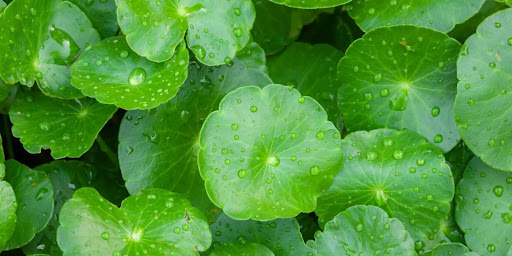
Not only does healthy, radiant skin look good, but it also shows how well the skin barrier holds onto moisture, defends against external stressors, and preserves its natural equilibrium. Plant-derived compounds are now a significant component of contemporary cosmetic formulations due to the growing interest in botanical skincare. Centella asiatica extract, a botanical ingredient prized for its calming, hydrating, and skin-conditioning qualities, is one component garnering a lot of attention.
Also Read: Standardized Botanical Extracts
Centella asiatica, also referred to as gotu kola, is a perennial herb that has long been utilized in several Asian medical systems. These days, a lot of skincare products, such as moisturizers, serums, creams, masks, and products for sensitive skin, contain it. Its naturally occurring chemicals, especially triterpenoids like asiaticoside, madecassoside, asiatic acid, and madecassic acid, are responsible for its increasing popularity.
But why is Centella asiatica extract a fascinating skincare ingredient? When used in properly designed products, this plant extract offers a number of possible benefits, from strengthening the skin barrier to helping to enhance the appearance of uneven skin texture.
Let us explore the incredible skin benefits of Centella asiatica extract and understand how it can contribute to a well-rounded skincare routine.
Also Read: Supercritical Fluid (SCF) Extracts
What Is Centella Asiatica Extract?
The green, creeping herb Centella asiatica is found in tropical and subtropical areas, especially in some parts of Asia. It has a long history of traditional use and is currently being researched for possible use in formulations for personal care and cosmetics.
Using the right extraction techniques, Centella asiatica extract is extracted from the plant. The plant material, extraction technique, and standardization requirements can all affect its composition.
The extract contains several bioactive compounds, including:
- Asiaticoside: A naturally occurring triterpenoid glycoside studied for its role in skin repair-related processes.
- Madecassoside: A compound frequently used in soothing skincare formulations.
- Asiatic acid: A triterpenoid investigated for its antioxidant and skin-conditioning potential.
- Madecassic acid: Another naturally occurring triterpenoid studied for its biological activity.
These compounds contribute to the interest in Centella asiatica as a cosmetic ingredient. However, their concentrations can differ significantly between extracts, so not all Centella asiatica products will deliver identical effects.
1. Helps Soothe Sensitive and Irritated-Looking Skin
Skincare treatments intended to calm sensitive or irritated skin are among the most well-known cosmetic uses of Centella asiatica extract.
Exposure to the environment, strong cleaning chemicals, excessive exfoliation, and inappropriate skincare ingredients can cause the skin to feel tight, unpleasant, or momentarily red. Centella asiatica extract-containing products may help improve the appearance of irritation and promote a more comfortable skin feel.
In experimental settings, the effects of certain chemicals produced from Centella on inflammatory pathways have been studied. However, not all cosmetic formulations have proven to be successful in humans based solely on laboratory results.
Centella asiatica is frequently used in soothing serums, moisturizers, and face creams for daily skincare. If the entire product is appropriate for their skin type, it might be especially helpful for those who like mild formulas.
Why it matters: A well-formulated soothing product can help make a skincare routine more comfortable, especially when the skin is prone to temporary sensitivity.
2. Supports the Skin’s Natural Barrier
The skin’s outermost layer of defense is called the skin barrier. It prevents undesirable exterior elements from penetrating and aids in moisture retention. The skin may feel dry, scratchy, tight, or more sensitive than normal when this barrier is disrupted.
Because of its possible calming and skin-conditioning qualities, Centella asiatica extract is often included to barrier-supporting skincare formulas.
Centella asiatica may be used to a skincare product intended to promote skin comfort and moisture when paired with well-known moisturizing components like ceramides, glycerin, panthenol, or hyaluronic acid.
Additionally, excessive exfoliation and extremely abrasive cleansers should be avoided in a healthy skincare regimen since they might disrupt the skin barrier.
Practical tip: If your skin often feels tight after washing, consider a gentle cleanser followed by a moisturizer containing barrier-supporting ingredients. Centella asiatica can be a complementary ingredient in such a formulation.
3. Helps Maintain Skin Hydration
Maintaining soft, smooth, and flexible skin requires adequate hydration. Dehydrated skin can feel unpleasant, look dull, and have more pronounced fine wrinkles.
To promote general skin conditioning, Centella asiatica extract is utilized in moisturizers and moisturizing serums. The extract can enhance established humectants and occlusive moisturizers in a well-designed mix, but it should not be used in place of them.
For instance, glycerin draws moisture to the skin’s outer layers, whereas substances like petrolatum aid in preventing moisture loss. Supporting surface hydration is another major function for hyaluronic acid.
Combining these components with Centella asiatica extract may help improve the look and feel of dry or parched skin.
Ideal for: Skincare regimens aimed at preserving softness, easing tightness, and enhancing the texture of the skin.
4. Provides Antioxidant Support
Every day, the skin is subjected to environmental stressors such as air pollution and UV radiation. Oxidative stress, a process involving reactive chemicals that may impact biological components, can be exacerbated by these exposures.
Compounds found in Centella asiatica have shown antioxidant action in lab studies. Because of this, the plant has gained attention in cosmetic research aimed at preserving the quality of skin and keeping the complexion appearing healthy.
However, when an extract is applied to human skin, the antioxidant activity seen in lab research may not always result in quantifiable protection. A number of variables, including extract composition, concentration, formulation stability, and product use, affect the outcome.
Therefore, rather from being used in substitute of sunscreen, Centella asiatica should be viewed as a possible additional antioxidant component.
Important reminder: Daily broad-spectrum sunscreen, appropriate clothing, and shade remain central to protecting skin from ultraviolet damage.
5. May Help Improve the Appearance of Skin Texture
Numerous factors, such as dryness, accumulated dead skin cells, visible pores, and aging-related changes, can cause uneven skin texture.
Skincare products intended to encourage a smoother-looking complexion frequently contain Centella asiatica extract. When the product also offers adequate hydration, its potential calming and skin-conditioning benefits may help enhance the overall appearance of skin.
The effects of several Centella-derived chemicals on tissue repair and collagen-related processes have been investigated. However, research on wound healing should not be taken as evidence that all cosmetic products containing Centella asiatica will remodel collagen or smooth skin.
Use a skincare regimen that targets the underlying issue for more reliable outcomes. While some substances could be more suitable for issues like recurrent acne or noticeable textural changes, moisturizers can enhance the look of roughness brought on by dryness.
6. Supports Skin Repair-Related Processes
Centella asiatica has been used traditionally for skin-related purposes for a very long time. Its triterpenoids have been studied in recent years for possible roles in wound healing, collagen synthesis, and tissue repair.
Centella-derived chemicals are utilized in cosmetic treatments meant to promote skin comfort and recuperation following daily environmental stress, in part because of these findings.
Nevertheless, medical wound treatments are not comparable to cosmetic skincare products. Evidence pertaining to medicinal preparations, isolated ingredients, or concentrated extracts cannot be automatically applied to regular face creams and serums.
Applying cosmetics to open wounds or severely injured skin should only be done with a certified healthcare provider’s approval. Appropriate medical evaluation is necessary for wounds that do not heal, persistent discomfort, or infected skin.
7. May Help Improve the Appearance of Fine Lines
When the skin is dry, fine wrinkles may become more apparent. Changes in the suppleness and structure of the skin can also result from cumulative UV exposure and natural aging.
Because various components have been studied for their possible impact on collagen-related activities, Centella asiatica extract is occasionally used in treatments marketed for older skin.
Collagen is a crucial structural protein that helps make the skin resilient and firm. The quality of the evidence varies by formulation and application, despite the fact that laboratory and first clinical research provide justifications for additional investigation of substances produced from Centella.
When dryness is a contributing cause, a moisturizer containing Centella asiatica may help make fine wrinkles less noticeable. It should not be expected to remove creases that have already appeared.
Consider using sunscreen every day, moisturizing frequently, and using skin-appropriate, evidence-based products as part of a comprehensive regimen targeted at visible aging.
8. Can Complement Skincare for Blemish-Prone Skin
People who are prone to blemishes frequently require hydrating lotions that do not feel uncomfortable or excessively greasy.
Lightweight gels, calming serums, and moisturizers designed for this skin type often contain Centella asiatica extract. When blemishes are accompanied by transient redness or irritation, its possible calming qualities may assist improve skin comfort.
However, Centella asiatica is not a proven acne treatment on its own. It should not take the place of approved topical drugs or other therapies for chronic inflammatory acne.
Instead of concentrating just on the botanical extract when selecting a product, take into account the complete ingredient list. Some people may not like specific oils, fragrances, or other components.
Practical advice: If clogged pores are an issue, look for a product that is labeled “non-comedogenic,” but keep in mind that this label does not ensure that a product will work for everyone.
9. Helps Promote a Healthier-Looking Complexion
Dehydration, sleep deprivation, exposure to the elements, or an inappropriate skincare regimen can all contribute to a dull-looking complexion.
Products meant to encourage a fresh, cozy, and healthy-looking appearance frequently contain Centella asiatica extract. Its use in conjunction with moisturizing substances and its skin-conditioning properties may contribute.
It is crucial to distinguish between altering the natural color of dull skin and making it look better. Stronger product-specific proof is needed to support claims that Centella asiatica consistently eliminates pigmentation or dark spots, and it should not be considered a proven skin-whitening agent.
Consistent sun protection and a skin-type-appropriate skincare regimen are usually more beneficial than depending on a single botanical ingredient for a more even-looking complexion.
10. Offers Versatility Across Different Skincare Products
Another advantage of Centella asiatica extract is its versatility in cosmetic formulation.
It can be incorporated into several product formats, including:
- Facial serums: Lightweight products designed to deliver selected cosmetic ingredients.
- Moisturizers: Creams and lotions intended to improve skin softness and reduce moisture loss.
- Calming gels: Formulations designed to provide a refreshing and comfortable skin feel.
- Sheet masks: Products that combine hydration with selected skin-conditioning ingredients.
- Body lotions: Formulations designed to moisturize and condition the skin.
- Sensitive-skin products: Carefully designed formulas intended to minimize unnecessary irritation.
The performance of each product depends on its complete formulation, ingredient concentrations, stability, and suitability for the intended skin type.
For cosmetic manufacturers, selecting a consistent, well-characterized Centella asiatica extract is an important consideration when developing reliable finished products.
How to Use Centella Asiatica Extract in Your Skincare Routine
If you want to introduce Centella asiatica into your routine, begin with a product that suits your skin type and addresses your primary concern.
Morning routine
- Cleanse with a gentle cleanser.
- Apply a Centella asiatica serum if desired.
- Use a suitable moisturizer.
- Finish with broad-spectrum sunscreen with SPF 30 or higher.
Evening routine
- Remove sunscreen, makeup, and daily impurities.
- Apply your Centella asiatica product according to its instructions.
- Finish with a moisturizer to help maintain hydration.
Introduce new products gently, especially if you have sensitive skin. If you continue to feel burning, itching, swelling, or worsening irritation, stop using the product and patch-test as directed by the manufacturer.
The component list should be carefully examined by those who have a history of plant allergies. When unsure about introducing a new product, speak with a skilled dermatologist if you have a skin condition or are using prescription treatments.
What Should You Look for When Choosing a Centella Asiatica Product?
The formulation of goods containing Centella asiatica extract varies. When buying a skincare product, take into account the following aspects.
- Transparency of ingredients: Examine the other ingredients and see if Centella asiatica extract is mentioned in the product declaration.
- Extract standardization: Certain products, such madecassoside or asiaticoside, define the content of particular triterpenoids. Standardization does not demonstrate therapeutic efficacy on its own, but it can aid in describing the composition of the extract.
- Formulation quality: The final product’s quality is influenced by stability, compatibility, preservation, and packaging.
- Skin suitability: Select products based on your skin type, sensitivities, and particular skincare objectives.
- Realistic claims: Steer clear of goods that guaranty treatment of medical skin diseases or promise immediate results; instead, choose those that accurately define their benefits.
From supporting skin comfort and hydration to complementing routines designed for sensitive or blemish-prone skin, it offers several promising applications. Research into its antioxidant activity, collagen-related effects, and skin repair-related processes continues to inform its cosmetic use, although the strength of evidence varies across applications.
For the best results, choose a well-formulated product, maintain a consistent skincare routine, and use sunscreen daily. Remember that the benefits of Centella asiatica depend on the extract’s composition and the complete formulation rather than the ingredient name alone.
Ultimately, Centella asiatica extract can be a useful addition to a thoughtful skincare routine, particularly when combined with proven moisturizing ingredients and realistic expectations.
Disclaimer: This article is intended for educational purposes only and does not constitute medical advice. The cosmetic benefits described depend on the formulation and available evidence. Centella asiatica products should not replace professional diagnosis or treatment of skin conditions.