Modern marketing is nothing without data. Because then you are just guessing everything without it. And modern growth marketing is about targeted campaigns.
Means spending only where it matters.
That’s not just a small edge; it’s a complete shift in how digital marketing works today.
That’s why I’m writing this article, to show you how to use data analytics for driving real marketing success. We’ll see how to make every campaign smarter and more effective.
How to use data analytics to drive digital marketing success
Data analytics is not just numbers—it’s insights. The real success of digital marketing lies in how you interpret that data and turn it into smart decisions.
The following methods show exactly how to do that.
1. Identify your marketing goals first
Most people, especially beginners, think that analyzing data comes at the end to measure the results only. But in reality, data analytics is supposed to be used at the very start.
By leveraging call analytics along with other data insights, you can clearly define what success looks like, track meaningful interactions, and make informed decisions from day one rather than reacting after the results appear.
From the moment your campaign is live, start analyzing patterns in user behavior, demographics, and engagement metrics. You will clearly see what audiences respond to and what they don’t.
This makes it easier to set realistic goals based on evidence, not assumptions.
For example, your analytics show that your blog traffic comes mostly from mobile users. So your goal might shift toward improving mobile experience or optimizing mobile SEO.
Data-driven approach, according to DemandBase, drives 5-8 times more ROI than traditional marketing.
In short, data analytics gives direction and clarity to your marketing goals before you even start planning your campaigns.
2. Track the right metrics (not all of them)
More data is usually better. But in digital marketing, more data doesn’t always mean better results.
Many marketers try tracking every possible number in the beginning. Like impressions, clicks, bounce rates, conversions, everything. Without even understanding which ones truly matter to them.
Data analytics helps you focus on the right metrics only.
For example, your goal is brand awareness. Then engagement metrics like reach and shares are more valuable than conversion rates.
But if you’re running an eCommerce campaign, customer acquisition cost (CAC) and return on ad spend (ROAS) take priority.
Tracking the right metrics saves time and helps you make smarter decisions.
3. Use analytics tools for insights
Data is useless unless you can turn it into insights. Analytics tools help you with that too.
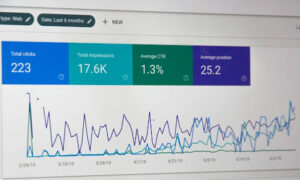
Platforms like Google Analytics, HubSpot, and Adobe Analytics help you understand how users interact with your website, ads, and emails.
These tools reveal what’s working and what’s not. So you can make adjustments early on. Before spending any more time and money.
For example, analytics show that most visitors leave on your checkout page. Then look for deficiencies and make them up.
Or, you saw that a specific blog post brings high traffic. Create similar content to improve further.
In simple words, analytics tools turn raw numbers into insights. That guides your marketing strategy.
4. Segment your audience for personalization
In 2025, marketers don’t target everyone blindly with the same message. They find what attracts an audience and then focus marketing accordingly.
Analytics helps you divide your audience based on behavior, location, interests, and purchase history. So you can create different messages for each segment.
For example, an online clothing store can use data to identify which customers prefer casual wear and which ones often buy formal outfits.
According to Epsilon, 80% of consumers are more likely to buy when brands offer a personalized experience.
This way, your marketing campaigns improve conversion rates.
5. Monitor customer journey data
In modern marketing, knowing the awareness level of your audience is a blessing. They are either a cold audience (know nothing about you), a warm audience (know about you, but thinking), or a hot audience (looking to make the purchase).
Because then you can focus your marketing messages accordingly.
Analytics helps you track every touchpoint. Such as where users come from, what pages they visit, and where they drop off.
This data shows you what’s working and what’s not.
Using effective project planning methods, you can analyze this journey data systematically.
For example, if many users come to your landing page and leave within seconds, you can suspect slow loading or unclear pricing. By studying this journey data with proper planning, you can optimize each stage and make the buying process smoother and more enjoyable.
6. Predict trends with AI-driven analytics
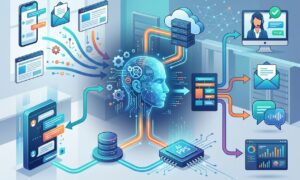
AI-driven analytics can help marketers prepare for what’s coming next.
By tracking a large amount of past data, these tools can predict upcoming trends, customer needs, and buying behaviors.
For example, predictive analytics can forecast which products will be in demand next season.
This gives marketers a head start in creating targeted campaigns before competitors even realize the trend.
7. Optimize campaigns using real-time insights
Data analytics gives you the ability to optimize marketing campaigns in real time. That is one of the biggest advantages of data analytics.
This means you don’t have to wait for the end of the month to see what worked. Analytics tools instantly show how your ads, emails, or posts are performing.
For example, your Facebook ad isn’t generating clicks. You can adjust the visuals or targeting on the spot.
Similarly, Google Analytics can show which traffic source brings the most conversions. So you can reallocate your budget immediately.
This flexibility makes sure your marketing efforts are always aligned with what’s actually working.
Conclusion
In short, when used smartly, data analytics helps you understand your audience, track what’s working, and predict what’s next.
But remember, data alone can’t guarantee success. It’s your strategy and creativity that make the real difference.
Therefore, combine both. You’ll have a marketing approach that’s not only data-driven but also genuinely impactful.