
How to Tell If Your Roof Needs Repair or Replacement After a Texas Storm

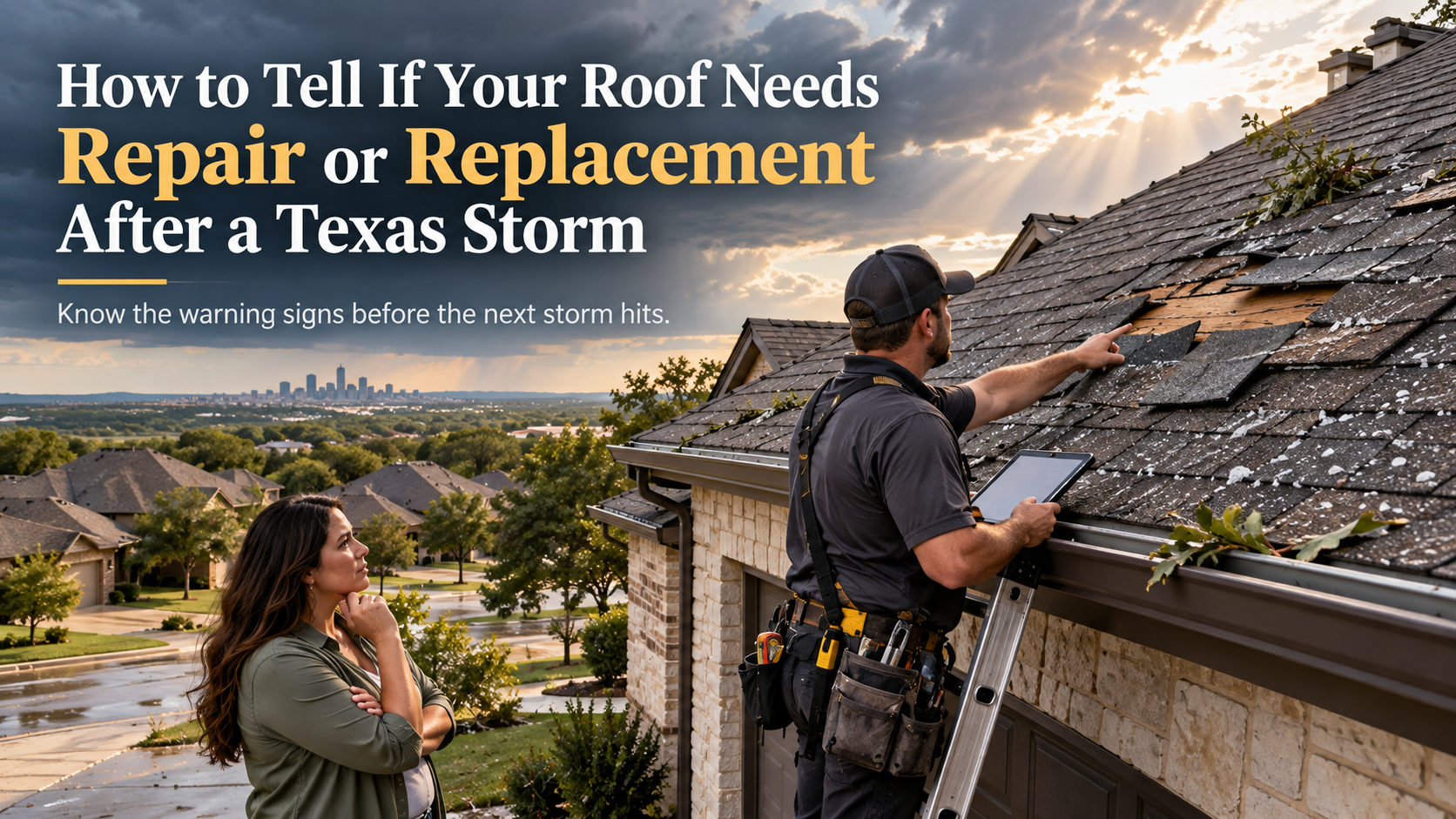
Texas storms can be hard on residential roofs. High winds, hail, heavy rain, and flying debris can cause anything from minor shingle damage to serious roofing problems. In some cases, the damage is obvious. In others, a roof can look fine from the ground while water has already found its way beneath the roofing materials. For Austin homeowners dealing with leaks, missing shingles, flashing problems, or other localized damage, roof repair in Austin, TX can address the problem before a relatively small issue develops into a much larger roofing expense.
After a major storm, one of the most important questions for a homeowner is whether the roof needs a repair or a complete replacement. The answer depends on several factors, including the type and extent of damage, the age of the roof, the condition of the existing materials, and whether the damage is isolated or widespread.
Start With a Professional Roof Assessment
The first step after a significant storm is to have the roof properly evaluated. Homeowners should avoid climbing onto a wet or damaged roof themselves, particularly when there may be loose shingles, damaged flashing, or structural issues.
A professional evaluation can help identify visible and less obvious problems, including:
- Missing or lifted shingles
- Cracked or bruised shingles
- Damaged flashing around vents and chimneys
- Hail impacts
- Exposed roofing materials
- Water intrusion
- Damaged gutters and drainage components
- Signs of moisture in the attic
Not every storm-damaged roof needs to be replaced. A thorough assessment can help determine whether localized repairs are enough or whether the condition of the roof justifies a larger project.
When Roof Repair May Be Enough
Roof repair can make sense when the damage is limited to a relatively small area and the rest of the roofing system remains in good condition.
For example, a storm may damage a handful of shingles, loosen flashing, or create a small area where water can enter. If the underlying roof structure and surrounding materials are still in good condition, repairing the affected area may be a practical solution.
Common situations where repair may be appropriate include:
- A small number of missing shingles
- Localized wind damage
- Minor flashing problems
- Limited leaks
- Damage around a roof penetration
- Small areas of storm-related damage
However, a repair should address the source of the problem rather than simply covering up the visible symptom. A leak in the ceiling, for example, does not necessarily mean the problem is directly above that spot. Water can travel along roofing materials and framing before becoming visible inside the home.
Signs Your Roof May Need Replacement
Sometimes a storm reveals problems that go beyond a few damaged shingles. If the roofing system is already near the end of its useful life or has widespread damage, replacement may be more appropriate.
Some signs that replacement may need to be considered include:
Extensive Storm Damage
If a large portion of the roof has been affected by hail or high winds, repairing individual areas may not be the most practical long-term solution.
An Older Roof
Roof age matters because older materials may already have experienced significant wear before the storm occurred. Adding major repairs to an aging roofing system may not provide the same long-term value as installing a new roof.
Repeated Leaks
A roof that has experienced multiple leaks over time may have underlying issues that are difficult to solve with isolated repairs.
Widespread Shingle Deterioration
Curling, cracking, missing granules, or widespread shingle deterioration can indicate that the roof is approaching the end of its service life.
Damage to Multiple Roofing Components
A severe storm can affect more than shingles. Flashing, ventilation components, gutters, underlayment, and other parts of the roofing system may also be damaged.
When the damage is widespread, homeowners may want to discuss their options with a qualified roof replacement contractor in Austin rather than automatically assuming that individual repairs are the best solution.
Don’t Ignore Hail Damage
Hail is one of the more difficult types of storm damage for homeowners to evaluate themselves.
A shingle may not be completely torn off or visibly broken, but a hail impact can still affect the roofing material. Hail can leave dents, bruising, or granule loss that may become more problematic over time.
After a major hailstorm, look for signs such as:
- Small dents or impact marks
- Exposed areas where granules have been removed
- Damaged metal components
- Cracked or broken roofing materials
- Damage to gutters, downspouts, siding, or other exterior surfaces
If you’re unsure whether a storm caused meaningful damage, having the roof professionally assessed can provide a clearer picture. For homeowners dealing with significant storm damage, storm damage roof repair in Austin can help identify the extent of the problem and determine whether repairs are appropriate.
Wind Damage Can Be Easy to Miss
Strong Texas winds can lift, loosen, or completely remove shingles. In some cases, the damage is obvious. In others, shingles may remain in place but lose their proper seal.
Wind can also affect flashing and other roofing components around areas such as chimneys, skylights, vents, and roof edges.
Homeowners should pay particular attention to:
- Missing shingles
- Lifted or displaced shingles
- Damaged ridge caps
- Loose flashing
- Exposed underlayment
- Debris on the roof
A roof does not have to look severely damaged to develop problems during the next rainfall.
Check the Attic and Interior of the Home
Some storm damage becomes easier to identify from inside the house.
After a severe storm, homeowners can check the attic for signs of moisture, staining, damp insulation, or daylight entering through areas where the roof should be sealed.
Inside the living space, watch for:
- Ceiling stains
- Water spots
- Damp walls
- Peeling paint
- Musty odors
- Moisture around windows or exterior walls
These signs don’t automatically mean the entire roof needs to be replaced. They do, however, indicate that the source of the moisture should be investigated.
Don’t Make the Decision Based Only on One Damaged Shingle
One of the biggest mistakes homeowners can make is assuming that a single visible problem tells the entire story.
A damaged shingle may be a simple repair. On the other hand, that same damaged shingle could be part of a larger pattern of deterioration.
The right decision should consider:
- The age of the roof
- Overall roof condition
- Extent of storm damage
- Previous repairs
- Frequency of leaks
- Condition of the underlying materials
- Expected remaining service life
The goal is not simply to repair or replace a roof as quickly as possible. It is to understand the actual condition of the roofing system and choose an appropriate solution.
What to Do After a Texas Storm
If you suspect your roof has been damaged, start by documenting what you can safely see from the ground. Take photographs of fallen shingles, damaged gutters, exterior impact marks, and other visible problems.
If there is active water intrusion, take reasonable steps to protect the interior of the home while arranging professional help. Avoid climbing onto the roof yourself, especially after high winds or severe weather.
Homeowners should also keep records of photographs, repair estimates, and other documentation related to the storm.
Repair or Replacement? Look at the Whole Roof
There is no universal rule that says every storm-damaged roof should be repaired or every damaged roof should be replaced.
A relatively new roof with isolated damage may only need targeted repairs. An older roof with widespread damage and existing deterioration may require a completely different approach.
The most useful first step is to understand the condition of the entire roofing system rather than making a decision based on one visible problem.
For homeowners looking for a roofing contractor in Austin, TX, a professional evaluation can help identify the extent of storm damage and explain whether repair or replacement is appropriate for the property.
A storm can expose problems that are already developing, but it can also create damage that is relatively straightforward to repair. Getting the roof assessed promptly can help homeowners understand the difference and make an informed decision about the next step.







Comment