
How to Set Up a Recurring Cleaning Routine That Matches How Your Home Is Used

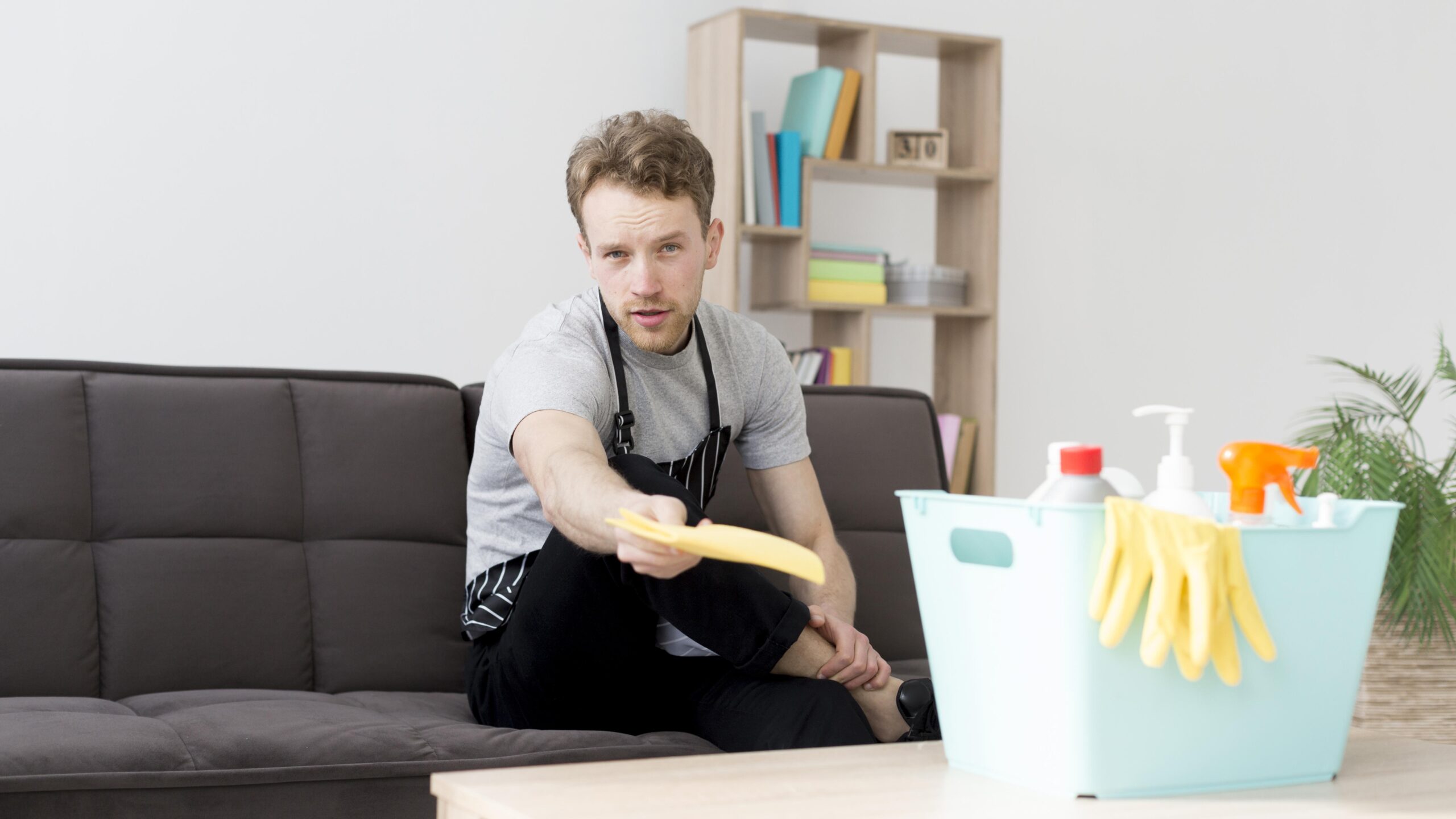
A recurring cleaning routine works best when it follows household behavior instead of forcing every room onto the same calendar. A kitchen used for three meals a day will change much faster than a formal dining room that sits empty most of the week. A bathroom shared by several people will show residue sooner than one reserved for occasional guests.
The same principle applies to bedrooms, floors, entryways, pet areas, and living spaces.
Instead of deciding that every room must be cleaned every seven days, pay attention to how quickly each area changes. Some tasks should happen when a visible trigger appears. Others can follow a longer interval because their buildup develops slowly.
A practical routine gives the busiest parts of the home more attention without repeatedly cleaning low-use areas that are still in good condition.
Watch the Home Through One Ordinary Week
Before writing a schedule, observe what happens during a fairly normal week.
Notice where crumbs collect.
Watch which bathroom shows water spots first.
Look for the floor routes that gather grit.
See where pet hair accumulates and which counters repeatedly become crowded or sticky.
Then notice the rooms that barely change.
This gives you a more accurate starting point than assigning cleaning frequency according to room names.
Two bedrooms in the same house can have completely different needs. One may be used only for sleeping. Another may also function as a home office, dressing area, exercise space, and pet resting spot.
The second room will usually need more frequent floor and surface care even though both are called bedrooms.
Cleaning frequency should follow activity.
Group Tasks by How Quickly the Mess Returns
A recurring routine becomes easier to manage when tasks are divided according to how fast they come back.
Fast-return tasks need short intervals
These are tied closely to daily household activity.
Examples include kitchen crumbs, sink residue, entryway grit, pet feeding areas, fresh spills, and heavily used bathroom surfaces.
Medium-return tasks develop more gradually
Furniture dust, general floor buildup, mirrors, appliance handles, and ordinary bedroom surfaces often fit here.
They may not need attention every day, but they change enough to deserve a regular place in the routine.
Slow-return tasks can sit on a rotation
Upper ledges, cabinet interiors, detailed trim, less-used storage, furniture backs, and some window areas usually build up more slowly.
Once tasks are separated by speed, there is no reason to force all of them into the same cleaning session.
Use Visible Triggers for Fast-Return Messes
Some jobs are easier to manage by condition rather than by date.
Clean the entryway when grit becomes noticeable rather than mopping it automatically every Tuesday.
Remove kitchen crumbs after heavy meal preparation instead of waiting for a scheduled floor day.
Wipe a bathroom sink when toothpaste or grooming residue begins showing.
Deal with a pet-water spill while it is still concentrated around the bowl.
These trigger-based tasks prevent fresh mess from becoming older buildup.
They also reduce unnecessary work.
If nobody has used the guest bathroom all week, it probably does not need the same level of cleaning as the bathroom used several times every morning and evening.
A calendar should guide the routine, not override what the surfaces are actually showing.
Establish a Manageable Baseline First
It is difficult to judge a recurring schedule when the home begins with months of deferred detail work.
Old grease around cabinet hardware, dusty baseboards, neglected bathroom edges, and debris beneath furniture can make ordinary maintenance seem ineffective.
The problem may not be the frequency.
The starting condition may simply be too uneven.
Handle the most accumulated areas first so that routine cleaning has a reasonable baseline to maintain.
After that, observe how quickly each surface changes.
If the kitchen stays manageable for a week but the main bathroom begins showing residue after three days, those rooms should not receive identical schedules.
The baseline gives you something useful to measure against.
Let Floors Follow Traffic Instead of Square Footage
Flooring rarely becomes dirty evenly from wall to wall.
The route between the main entrance and kitchen may collect visible debris long before the corner behind an armchair changes.
A hallway used by children, pets, and adults several times each day may need more attention than a much larger room with little traffic.
Map the routes people actually take through the home.
Then give those routes shorter cleaning intervals if needed.
This works especially well in open-plan spaces.
There is no reason to repeatedly wash an entire large floor because one five-foot section near the back door collects dirt faster than everything around it.
Targeting the traffic path keeps the routine proportional to the mess.
Give the Kitchen Several Different Cleaning Speeds
A kitchen should not be treated as one large recurring task.
Different parts of the room change at different rates.
Food spills may need immediate attention.
Crumbs may need to be removed at the end of a busy meal.
Counters and the sink may require frequent upkeep.
Cabinet fronts, appliance sides, pantry shelves, and upper surfaces may change far more slowly.
Putting all of these under one instruction—“clean the kitchen”—creates more work than necessary.
Instead, separate the kitchen into short-cycle and long-cycle tasks.
Fresh food residue belongs on the short cycle.
Grease film and less-accessible detail work can sit on a slower rotation.
The room stays usable without requiring a detailed kitchen cleaning after every period of heavy cooking.
Set Bathroom Frequency According to Use
Bathroom size does not tell you much about how quickly it gets dirty.
Usage does.
A small bathroom shared by several people can collect sink residue, hair, water spots, and floor debris very quickly.
A larger guest bathroom may remain nearly unchanged for weeks.
Moisture also changes the schedule.
A bathroom with a frequently used shower will usually develop residue differently from a half-bath with only a sink and toilet.
Watch for the first signs that routine cleaning is needed.
If the sink looks dull after three days, that surface may belong on a shorter interval.
If the guest bathroom still looks clean after two weeks, there is no benefit in repeatedly treating it as though it carries the same workload.
Match Bedroom Cleaning to the Room’s Actual Function
Bedrooms vary widely in how they are used.
Some are quiet sleeping spaces.
Others contain desks, exercise equipment, clothing storage, televisions, pets, or snacks.
The more functions a bedroom serves, the more types of mess it can produce.
A pet sleeping beside the bed may create a concentrated hair problem.
A work desk can generate paper debris and surface dust.
Frequent dressing can leave clothing and lint around storage areas.
Adjust the routine accordingly.
One section of the room may need vacuuming twice as often as the rest.
A spare bedroom that remains closed most of the week may need little beyond occasional dust checks and floor care.
Use One Fixed Visit as a Calendar Anchor
A recurring routine becomes easier to judge when at least one part of the schedule stays predictable. Suppose a professional house-cleaning visit occurs every other week. The household can then decide what needs attention between those dates instead of treating every visible mark as an immediate full-cleaning project.
For example, if Boise House Cleaning Co is scheduled on a repeating cadence, a fresh kitchen spill still needs attention that day, while slower dust accumulation on furniture or routine bathroom buildup may reasonably remain for the upcoming residential cleaning. The appointment becomes a reference point for deciding what cannot wait and what does not need to be duplicated beforehand.
That creates a rhythm rather than two separate cleaning systems competing with each other.
Set Intervention Points Before Rooms Become Difficult to Maintain
Every high-use room has a point where a small amount of cleaning turns into a recovery project.
For a kitchen, that may happen when dishes occupy the sink, counters lose usable space, and crumbs have spread beyond the food-preparation area.
In a bedroom, it may happen when clothing blocks the floor and dusting becomes difficult because surfaces are covered.
A family room may cross the line when toys, pet hair, and everyday objects interfere with vacuuming.
Identify that point before it occurs.
Then build small interventions into the routine early enough to prevent the room from becoming difficult to clean.
The goal is not to keep the space perfect.
It is to keep ordinary maintenance from turning into a major catch-up job.
Put Slow Detail Work on a Rotation
Slow-return tasks still need attention, but they do not need to compete with daily cleaning.
Create a rotating list for areas such as:
- Baseboards
- Cabinet interiors
- Upper shelving
- Window tracks
- Furniture backs
- Closet floors
- Door frames
- Less-used fixtures
Choose one or two categories at a time.
The following week, move to another.
This prevents detailed work from disappearing for months while keeping the weekly workload reasonable.
Rotation also makes it easier to adapt when life gets busy. Missing one baseboard session is less disruptive than allowing food residue or bathroom grime to sit because the cleaning list became too long.
Separate Household Pickup From Surface Cleaning
A recurring cleaning schedule can become overloaded if organizing is mixed into every cleaning task.
A living room covered with toys may need a five-minute pickup before the floor can be vacuumed.
A bedroom with clothing on the floor may need items returned to storage before any cleaning can begin.
Treat these as separate steps.
Use short household pickup routines to keep major surfaces accessible.
Then the actual cleaning routine can focus on dust, debris, residue, and floors.
This distinction becomes especially useful in family homes because clutter can make a room appear far dirtier than its underlying surfaces actually are.
Adjust the Plan After Busy Household Periods
Recurring schedules need room for disruption.
School breaks, overnight guests, celebrations, home projects, pet-sitting, and unusually demanding workweeks can change how the house is used.
After one of those periods, the normal schedule may need a short recovery phase.
Focus first on the areas affected most heavily.
That may mean the kitchen after several days of entertaining or the entry and floors after a rainy weekend with frequent outdoor traffic.
Once the temporary buildup is handled, return to the regular routine.
Do not permanently redesign the entire cleaning schedule because of one unusual week.
Check Whether the Professional Interval Actually Fits
A recurring cleaning frequency should also be tested rather than assumed.
After several cycles, look at the condition of the home shortly before the next scheduled visit.
Are the main floors still manageable?
Is the primary bathroom beginning to look overdue several days beforehand?
Does the kitchen stay in good shape because daily spill control is working?
Are low-use rooms receiving attention more often than they need?
If Boise House Cleaning Co is part of the recurring schedule, those patterns can help show whether the interval matches the way the household actually uses the home.
A schedule that consistently feels too long or unnecessarily short should be reconsidered rather than followed out of habit.
Remove Tasks That No Longer Earn Their Frequency
Cleaning schedules tend to grow over time.
New jobs get added, but old ones rarely disappear.
Review the routine periodically.
Ask whether each task still deserves its current interval.
Perhaps children no longer use the playroom every day.
A home office may have become an occasional guest room.
A pet may now spend most of its time in a different section of the house.
Family meals may have shifted from the dining table to the kitchen island.
If the household behavior changes, the cleaning pattern should change with it.
A recurring routine should remain responsive rather than becoming a ceremonial checklist.
Keep the Core Recurring Work Small Enough to Survive Busy Weeks
A plan that works only during calm weeks is not a strong plan.
Keep the core routine focused on the messes that create more work when ignored:
- Food residue
- Main bathroom buildup
- Entryway grit
- Frequently used floors
- Pet mess
- Fresh spills
- High-contact surfaces that visibly need attention
Let slower detail work rotate separately.
This prevents the routine from becoming so large that one missed session causes the entire schedule to collapse.
A manageable plan can absorb an unexpectedly busy day and resume without requiring a marathon cleaning session afterward.
Review the System Instead of Blaming the Schedule
If the house repeatedly feels dirty before the next scheduled cleaning, look at where the breakdown occurs.
Perhaps entry debris is spreading farther than expected.
Maybe one bathroom has more users than the schedule accounts for.
The kitchen may need faster spill cleanup during the week.
A pet area might require targeted vacuuming more often than the surrounding room.
The answer is not automatically to clean the entire house more frequently.
Often one or two pressure points are creating most of the visible decline.
Adjust those first.
Small corrections usually make a recurring routine more sustainable than simply adding another full cleaning day.
Let Household Use Set the Rhythm
A recurring cleaning routine should not force every room into the same timetable.
Watch how the home changes.
Separate fast-return mess from slow buildup.
Let traffic determine floor frequency, give active kitchens and bathrooms shorter cycles, and rotate less-urgent detail work rather than trying to handle everything at once.
Use predictable cleaning dates as reference points, then fill the days between them only with tasks that genuinely cannot wait.
As household habits change, change the routine with them.
The strongest schedule is not the one with the most tasks. It is the one that keeps the home manageable while avoiding unnecessary cleaning in rooms and on surfaces that have barely changed.







Comment