
How to Grow a Food and Parenting Personal Brand: Lessons From Kristel Staci

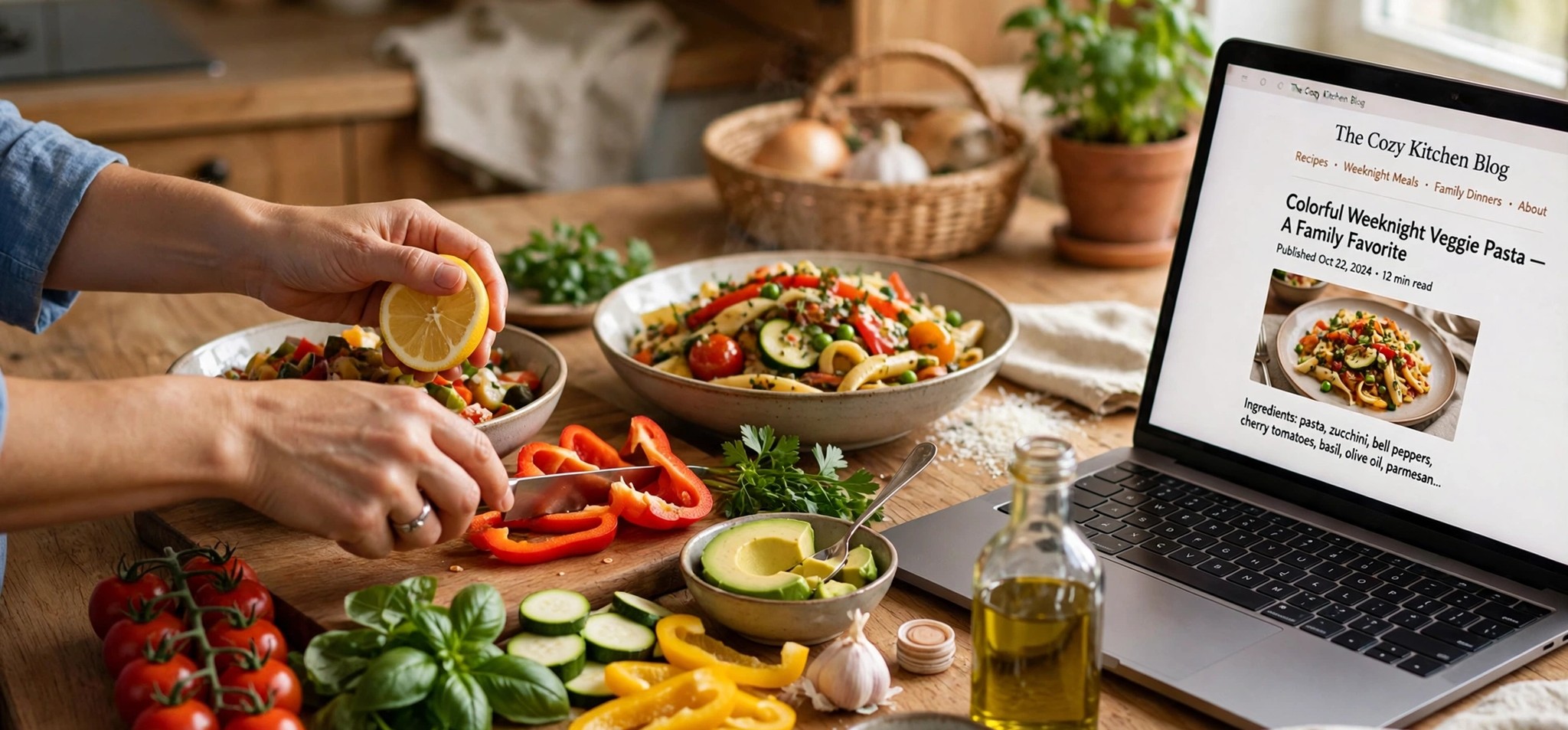
Food and parenting might be the two most crowded corners of the internet. Every day brings new recipe videos, new meal-prep reels, and new "what my kids ate this week" posts. From the outside, breaking through looks close to impossible.
It isn't. But the people pulling it off in 2026 tend to treat their personal brand less like a diary and more like a small media company, with a clear audience, a real content system, and data behind most of their decisions.
Here's what that looks like in practice, and what anyone building a brand in these niches can borrow.
Start With a Real Person, Not a Persona
The brands that last usually have one specific human at the center with a specific point of view. A good example is food and parenting blogger Kristel Staci, whose site kristelstaci.com mixes family recipes, budget-friendly dinners, and practical kitchen help, all written from the perspective of a mom and home cook. The voice is first person and rooted in real family life, which gives readers a reason to come back for the person and not only the recipe.
That difference matters more now than it did a few years ago. AI can produce a passable recipe in seconds. What it can't do is have a family, a grocery budget, or opinions about which shortcut is actually worth it on a Tuesday night. When the market is flooded with generic content, a real perspective is the moat.
A few things that make a personal brand feel human:
- Specific stories, like the dinner that flopped and the swap that saved it
- Honest opinions, including "this one isn't worth the effort"
- The same voice across the website, email, and social accounts
- Original photos instead of stock shots or AI images
Why Food and Parenting Still Work
Both topics are evergreen, and both get searched constantly. People need dinner every night. Parents have new questions every time their kids hit a new stage. That creates steady demand that doesn't depend on whatever is trending this month.
Discovery has also shifted toward visual, planning-focused platforms. Pinterest, long a go-to for recipes and family ideas, reported a record 661 million monthly active users in the third quarter of 2026. The company also said people run more than 80 billion searches a month on the platform, more than half of them commercial in nature, and that Gen Z now makes up 57 percent of its users. That's a huge pool of people actively planning meals, birthdays, and household routines.
Build Tools, Not Just Posts
One of the smartest moves a food or parenting brand can make is adding interactive tools next to the articles. KristelStaci.com, for example, includes a recipe scaler, a measurement converter, and an ingredient substitution finder. They're small, focused utilities, but they solve problems people run into mid-recipe with flour on their hands.
Tools do a few things articles can't:
- They complete a task instead of answering a question, so people bookmark them and come back.
- They pick up links naturally, because other sites like sending readers to something useful.
- They signal depth to search engines and AI models, which tend to favor sites that work like resources over sites that only churn out posts.
- They give people a reason to visit that isn't tied to one recipe or one season.
You don't need a development team for this. Simple calculators can be built with basic JavaScript, a no-code builder, or a plugin. AI coding assistants have made the build much easier for non-programmers, as long as someone tests the results carefully before they go live.
Mix Quick Content With Deep Guides
List posts ("27 cheap dinners your kids will actually eat") are great for discovery. They're easy to scan and easy to share. But a site built only on lists can start to look thin, both to readers and to the ad networks and platforms that decide how a site gets monetized.
The fix is a layer of deeper guides. Think a complete walkthrough of meal planning on a budget, a pantry shelf-life guide, or a step-by-step plan for feeding picky eaters. These take longer to produce, but they build trust and give the quick posts somewhere useful to link.
The right ratio varies by site. The principle doesn't. Lists bring people in. Guides make them stay.
Let the Data Decide What Comes Next
This is where a personal brand turns into a business. Creators who grow steadily tend to watch a handful of numbers closely:
- Which posts get saved and shared, not just viewed
- Time on page and scroll depth, which show whether people actually read
- Returning visitors, which tell you whether the brand is sticking
- Email signups per post, which show which topics build a real audience
- Revenue per thousand visitors by topic, since a holiday baking post and a toddler sleep post can earn very differently
Patterns show up fast. You might find that dinner content brings the traffic while budget content brings the email signups. Or that holiday recipes spike for six weeks and disappear, while kitchen tools pull steady visits all year. Those findings tell you what to make next.
Research tools add another layer. Keyword tools show what people are typing. Pinterest's trends data shows what people start planning weeks ahead of a holiday. And if you hand an AI assistant a few hundred keyword ideas and ask it to group them by topic, the gaps your competitors haven't covered tend to jump right out.
Own Your Audience
Social platforms are great for reach and terrible for control. Algorithms change, accounts get flagged, and reach can drop overnight. Creators who've been at this a while tend to give the same advice: start an email list early.
An email list turns one-time visitors into people you can reach on purpose. A simple "save this recipe" form, a weekly dinner plan, or a printable grocery list gives readers a reason to sign up. From there, a regular newsletter keeps the brand in their inbox between visits.
Branded printables help here too. Meal plans, holiday baking checklists, and picky-eater cheat sheets work as signup incentives now and can become standalone products later.
Grow Through Guest Work and Partnerships
A personal brand doesn't have to live on one website. Writing for other publications under your own name, guesting on podcasts, and teaming up with creators in nearby niches all build recognition. Every byline is one more place your name shows up when someone searches for you, and more and more, when someone asks an AI tool who to trust on a topic.
The key is consistency. Same name, same voice, same core topics everywhere. A reader who finds you on another site should recognize you right away when they land on yours.
Kristel Staci is a good example. She writes for other sites under her own byline, and her LinkedIn profile ties that outside work back to her name and her own site, so anyone who finds her in one place can easily find the rest.
Use AI for the Back Office, Not the Voice
AI tools let a solo creator work like a small team. They're handy for keyword grouping, outlines, content calendars, resizing images for different platforms, and summarizing analytics.
But food and parenting audiences are quick to spot content that sounds generic, and untested recipe advice can burn trust in a hurry. The creators doing this well use AI behind the scenes and keep the voice, the recipe testing, and the opinions human. Anything touching food safety, allergies, or children's health should be checked against reliable sources and written with real care.
The Long Game
Building a personal brand in food and parenting isn't quick. It usually takes a long stretch of steady publishing before the audience starts to compound. The pieces aren't mysterious, though: a real person with a clear voice, useful tools next to the articles, a mix of quick posts and deep guides, an email list you own, and data guiding what comes next.
Get those right and you're not just tossing recipes into the void. You're building something that keeps working long after any single post stops trending.






Comment