
How to Protect Gaming Accounts from Data Breaches, Phishing, and Password Attacks

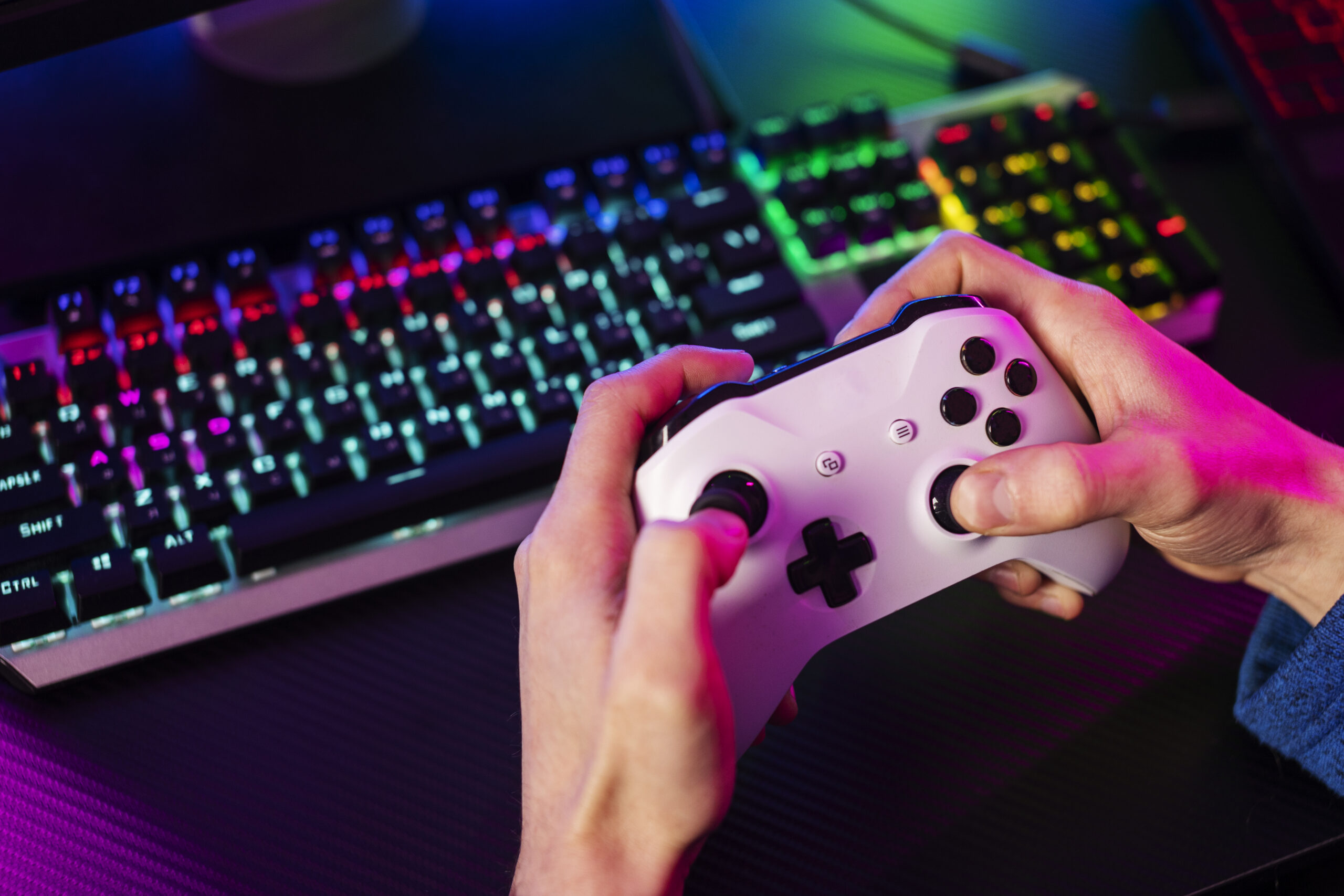
Online gaming accounts hold more than usernames and game progress. They can contain payment details, personal information, and valuable digital items, making them prime targets for cybercriminals. A stolen account can cost players years of progress, lead to unauthorized purchases, and expose sensitive information that puts their identity at risk.
Strong passwords, smart browsing habits, and proactive security measures can help protect gaming accounts and keep personal information out of criminals’ hands.
Why Are Gaming Accounts Targets for Hackers?
Gaming accounts can have value in the real world. Criminals can steal accounts to sell them, take valuable in-game items, use stored payment methods, and collect personal information for identity theft.
Data breaches create another problem. When a gaming platform or one of its third-party vendors suffers from a security breach, information associated with many users can be exposed. Depending on the breach, that information might include email addresses, usernames, passwords, and other personal details.
Even if your gaming account uses a strong password, a breach at the company hosting the service can still affect you.
Cybercriminals can also try stolen login credentials on other websites. If you reuse the same password for gaming, emails, and shopping accounts, one compromised account could put your other accounts at risk.
Cybersecurity expert Michael Scheumack, who serves as chief innovation officer at identity theft protection company IdentityIQ, recommends treating gaming accounts like any other account that holds personal or financial information.
“Gaming accounts are valuable targets, even without a saved credit card,” he said. “Criminals can steal personal information and login credentials to access other accounts, putting your broader digital identity at risk.”
How to Tell If Your Gaming Account Has Been Hacked
Not every account breach comes with an immediate warning. But there are warning signs. Keep an eye out for suspicious activity, including:
- Password reset emails you didn’t request.
- Purchases or transactions you don’t recognize.
- Missing game currency, items, or progress.
- Messages sent from your account without your knowledge.
- Passwords that suddenly stop working.
- Notifications that your personal information may have been exposed in a data breach.
If you notice any of these signs, check your account through the gaming platform’s official website or app. Change your password, review recent activity, and contact customer support if you suspect someone has gained unauthorized access.
Scheumack recommends acting quickly and checking whether the same credentials could put other accounts at risk.
“One compromised password can open the door to multiple accounts. Change it immediately and don’t reuse passwords,” he said.
For more information on how to protect yourself, read this guide to recognizing gaming account breaches and compromised data.
Use Strong, Unique Passwords for Every Account
Reusing passwords might seem convenient, especially if you have accounts across several gaming platforms. But it can also make it easier for criminals to break into multiple accounts after a single password is exposed.
Choose a long, unique password for each account. A password of at least 16 characters is a good goal. Avoid predictable choices based on your name, birthday, favorite game, or other details someone could discover online.
A password manager can generate and store strong passwords, so you don’t have to remember every combination. Enable two-factor authentication (2FA) possible, too. This adds another verification step when you sign in, so unauthorized access is more difficult even if someone obtains your password.
For additional tips, check out how to create stronger passwords for online gaming accounts.
Watch Out for Gaming Phishing Scams
Phishing scams trick people into handing over login credentials or other personal information. Scammers can pretend to represent a gaming company, platform support team, or fellow players to make their messages seem legitimate.
Common tactics include emails claiming your account will be suspended unless you reset your password, offers free game currency or rare items, and downloads promising exclusive content or game modifications.
Before clicking a link or opening an attachment, look for warning signs:
- Unexpected urgency: The message pressures you to act immediately.
- Suspicious links: The web address doesn’t match the gaming company’s official domain.
- Unusual requests: The sender asks for your password, verification code, or payment details.
- Unsolicited downloads: A file promises free rewards, modifications, or other content.
- Too-good-to-be-true offers: The deal seems unusually generous or requires you to sign in through an unfamiliar page.
Don’t assume a message is legitimate just because it looks professional. Scammers can use AI to create convincing emails without spelling or grammar mistakes.
Scheumack advises gamers to verify unexpected messages independently, even when they appear to come from a trusted source.
“Phishing messages are designed to get people reacting before they start thinking. Be cautious of messages offering free rewards, threatening to suspend your account or asking you to verify your login information. Never share a password or one-time verification code through a message. Instead, open the gaming platform directly and check for alerts or contact support through its official channels.”
Scheumack said if you receive a suspicious message, open the gaming platform’s official website directly rather than clicking the link. Check your account notifications and contact support through verified channels if needed.
Learn more about how to spot phishing emails targeting gamers.

What to Do After a Gaming Account Breach
If your account has been compromised, act quickly to help limit the damage.
First, use the platform’s official recovery process to regain access. Change your password and enable 2FA. If you reused that password elsewhere, update those accounts as well, especially your email account.
You should also check for unauthorized purchases, profile changes, and unfamiliar connected devices and messages you didn’t send. Contact the gaming platform’s support team and report suspicious transactions to your bank.
If personal or financial information is exposed, watch your financial accounts and credit reports for suspicious activity. You may also want to check whether your email address or other personal details have appeared in known data breaches.
Related coverage on cybersecurity risks in connected home entertainment systems explores the security concerns that come with internet-connected entertainment devices, including gaming hardware.
Protect Your Gaming Accounts and Personal Information
Strong passwords, 2FA, careful browsing, and regular account reviews can help reduce the risk of gaming account theft. Keep your devices updated, download games and modifications only from trusted sources, and treat unexpected messages with caution.
For additional peace of mind, IdentityIQ offers identity protection features such as credit monitoring, dark web monitoring, fraud alerts, and identity restoration support. Learn how identity theft protection can help you stay ahead of identity theft risks.




Comment