Key Takeaways
- The Dominican Republic is one of the most visited Caribbean countries in the world and consistently ranks among the top global destination wedding locations
- Couples can choose between a legally binding civil ceremony or a symbolic ceremony; both look almost identical, but they carry very different legal implications
- All documents for a civil wedding must be apostilled in your home country and then translated into Spanish by a certified Dominican government translator
- You’ll need to be in the DR at least three business days before a civil ceremony, and two non-family witnesses are required
- Peak wedding season runs December through April; hurricane season runs June through November with the highest storm risk falling in September and October
- Private villas are an increasingly popular alternative to all-inclusive resorts, offering full-property exclusivity for your wedding group
- Start planning at least 12 months ahead, and 18 months for peak-season dates or high-demand properties
Why Couples Keep Choosing the Dominican Republic
The numbers are hard to argue with. The Dominican Republic welcomed over 11 million international visitors in 2024, making it the most visited country in the Caribbean. Wedding tourism has grown right alongside that figure, and for couples comparing options across the region, the DR’s appeal keeps pulling ahead.
That’s not just about scenery.
Direct flights from dozens of US cities, warm weather that genuinely holds year-round, and costs that can run 30 to 50 percent lower than a comparable wedding in the continental United States all factor in. Destination wedding data from 2023 puts the average total for a DR wedding at around $9,500 for 50 guests, a number that would barely cover catering for an equivalent event back home.
But what actually drives couples to choose the DR over other islands is range. Cap Cana’s gated beachfront estates feel nothing like the bohemian kite-surfing shores of Cabarete. Puerto Plata’s colonial architecture tells a completely different story than Punta Cana’s endless resort corridor. So whether you’re planning something intimate and adventurous or something formal and luxurious, there’s a version of the Dominican Republic built for it.
Legal vs. Symbolic: The Decision That Shapes Everything Else
Before you book a venue, hire a photographer, or even start a guest list, you need to decide what kind of ceremony you want. This one decision sets the tone for your entire planning process.
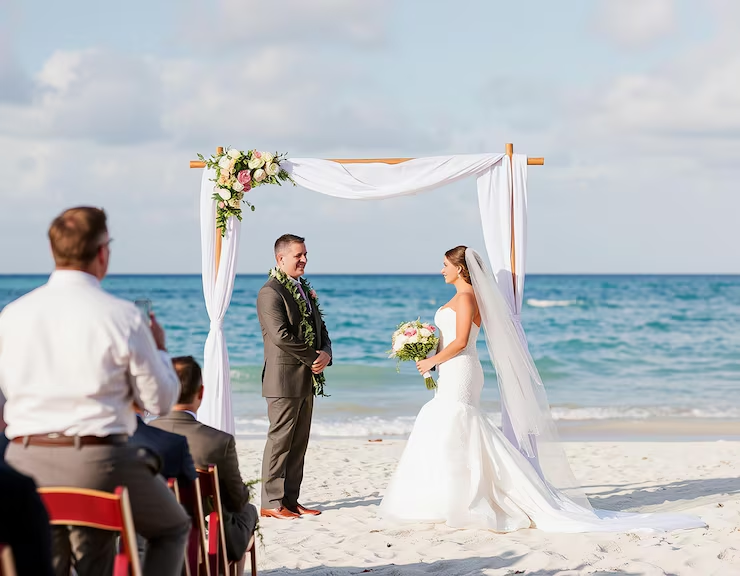
A civil ceremony is performed by a Dominican government judge and is recognized internationally. Once properly legalized and translated, it’s valid in the United States. A symbolic ceremony, by contrast, is identical in appearance but carries no legal weight on its own. Many couples use the symbolic route when they’ve already handled the paperwork at home, or when they simply want the day itself to be free of administrative complexity.
Neither option is wrong. It entirely depends on your situation.
What a Legal Civil Ceremony Requires
For a binding wedding in the DR, you’ll generally need:
- Valid passports for both partners
- Birth certificates, originals or certified copies, with both parents’ names listed
- A notarized Single Status Affidavit confirming neither of you is currently married
- A certified divorce decree or death certificate if either partner was previously married
- Passport copies for two adult witnesses who aren’t family members
All documents originating outside the Dominican Republic must be apostilled. In the US, apostilles are issued by the Secretary of State in the state where each document was originally issued, not where you currently live. Processing typically takes one to four weeks and costs roughly $5 to $25 per document depending on the state.
Every document also needs to be translated into Spanish by a translator certified by the Dominican government. Most venue coordinators and local wedding planners can arrange this for around $50 to $100 per document. Don’t use machine translation, the DR requires licensed interpreters, and errors in names or dates can create real complications on the day.
One detail that catches couples off guard: you must be physically present in the country at least three business days before the ceremony. Factor that into your travel planning, especially around public holidays.
Sound like a lot of moving pieces? It is, honestly, which is exactly why most couples working with a civil ceremony hire a local planner to manage the paperwork logistics. More on that shortly.
Going the Symbolic Route
No apostilles, no waiting period, no document translations required. Your officiant can be your planner, a friend with the right credentials, or a local minister. For couples who’ve handled the legal side at home or who want the wedding day itself to feel relaxed and unscripted, symbolic ceremonies are a genuinely practical choice.
Choosing the Right Region
The Dominican Republic has distinct personalities across its different coasts, and the venue category you’re looking at may actually narrow your location choices before you realize it.
Punta Cana is the most accessible entry point. Punta Cana International Airport receives direct flights from across the US, the beaches are consistently beautiful, and there’s an enormous range of venues from boutique and intimate to large-scale luxury. If you want options and convenience, this region delivers both.
Cap Cana, just south of Punta Cana and roughly 15 minutes from the airport, feels dramatically different. It’s a private, master-planned resort community with some of the most stunning beachfront properties in the Caribbean. Agencies that specialize in the region, including Caribbean Dream Properties, tend to see Cap Cana villa dates get reserved faster than any other DR location, especially for wedding weeks and peak season. Book early here.
Cabarete on the north coast draws couples who want something that doesn’t feel like a resort brochure. It’s a real town with genuine local character, world-class wind sports, and a laid-back energy that works especially well for smaller, more personal weddings. If your guest list is under 50 and you want your guests to feel like they actually experienced the Dominican Republic rather than a resort bubble, Cabarete is worth serious consideration.
Puerto Plata rounds out the options with colonial architecture, mountain views, and a north coast beach culture that’s less well-known than Punta Cana but often more interesting. It’s an underrated choice for couples who want something visually distinct and authentically Caribbean.
Private Villas vs. All-Inclusive Resorts
Most destination wedding content defaults to all-inclusive resorts, and the appeal is real: on-site coordinators, built-in catering, guest accommodations in one place. Resorts simplify logistics for couples planning from thousands of miles away.
But do they actually create the wedding most couples imagined?
For couples who want full-property exclusivity, a private villa operates on completely different terms. Your guests have the pool, the outdoor terraces, and every gathering space entirely to yourselves. There’s no sharing amenities with strangers enjoying their own vacation. The whole atmosphere shifts from “event hosted at a hotel” to “celebration at a home.”
Caribbean Dream Properties operates across Punta Cana, Cap Cana, Cabarete, and Puerto Plata with a curated selection of luxury villas suited to groups and special occasions. They hold an Airbnb Superhost status and maintain a 4.8+ star average across Airbnb, Booking.com, and Vrbo, which is the kind of track record that matters when you’re placing your wedding week in someone else’s hands.
Villa weddings take more coordination than a bundled resort package, but for many couples, that extra effort produces something far more personal than any hotel wedding department can offer. If you’re seriously weighing both options, their breakdown of villa vs. resort stays in the Dominican Republic covers the practical tradeoffs in useful detail.
Planning Timeline and When to Book
December through April is peak wedding season for a reason. Weather is consistently dry and warm, conditions for outdoor ceremonies are reliable, and the light is exceptional. Hurricane season officially runs June through November, with September and October carrying the highest historical risk for tropical storms. Brief rain showers can happen anytime in a tropical climate, but those two months are the ones most planners actively advise against for outdoor events.
Start serious planning at least 12 months out. For popular venues, peak season dates, or larger guest counts, 18 months is the safer runway. Apostille processing can take weeks, vendor booking requires deposits (most Dominican vendors ask for around 50 percent upfront), and coordinating flights and accommodations for a group takes time that disappears fast.
What to Realistically Budget
A destination wedding in the DR can range from roughly $5,000 on the lower end (small, simple symbolic ceremony) to $30,000 or more for a larger event at a luxury private venue. In most cases, a 50-person wedding lands somewhere in the $9,000 to $15,000 range depending on venue type, catering choices, and vendor selection.
Budget legal documentation fees as a separate line item. Apostilles, certified translations, and legalization costs generally run $300 to $1,200 total depending on the number of documents and your home state.
The villa math often surprises couples. When a larger group splits a multi-bedroom property, the per-person nightly cost can come out comparable to or lower than individual resort rooms, with significantly more space, privacy, and shared gathering space built in.
Getting Your Guests There and Around
Round-trip flights to Punta Cana from major US cities can come in under $300 per person when booked in advance, which makes the DR genuinely accessible for guests traveling from across the country.
Punta Cana International Airport is the primary gateway for the eastern part of the island, including Cap Cana and Bávaro Beach. Guests heading to Cabarete or Puerto Plata would typically fly into Puerto Plata’s Gregorio Luperón International Airport instead.
Arrange group airport transfers before anyone lands. For a wedding party of any size, having transportation sorted in advance means the first few hours in the DR feel like the start of a celebration rather than a logistics scramble.
Frequently Asked Questions
Is a Dominican Republic wedding legally recognized in the United States?
Generally, yes. A civil ceremony legally performed in the Dominican Republic is typically recognized as valid in the US once the marriage certificate is properly apostilled and translated into English. After receiving your Dominican certificate, registering it with the appropriate civil authority in your home state is the standard final step.
What documents are required to get married in the Dominican Republic?
For a legal civil ceremony, you’ll typically need valid passports for both partners, certified birth certificates, a notarized Single Status Affidavit, and passport copies for two non-family witnesses over 18. Previously married individuals must provide a certified divorce decree or death certificate. All documents must be apostilled and translated into Spanish by a Dominican government-certified translator.
How far ahead should I start planning a DR destination wedding?
Most destination wedding professionals recommend a 12 to 18-month lead time, particularly for December through April dates. Document preparation alone can take several weeks, and popular venues and villas book quickly. Starting early also gives you flexibility if any paperwork needs to be corrected or reissued.
What’s the best time of year for an outdoor wedding in the Dominican Republic?
December through April offers the most reliable dry, warm weather for outdoor ceremonies. Hurricane season officially spans June through November, with September and October being the historically riskiest months. Even during shoulder months, brief tropical showers can occur, so having a rain contingency in your venue plan is worth discussing with your coordinator.
Can I have a wedding at a private villa in the Dominican Republic instead of a resort?
Yes, and it’s a growing trend. Private villas in areas like Cap Cana, Punta Cana, and Cabarete offer full-property exclusivity that creates a more intimate atmosphere than a shared resort setting. Caribbean Dream Properties manages luxury villa rentals across multiple DR regions and works with groups and special events in all four of their primary destinations.
How much should I budget for a destination wedding in Dominican Republic?
Costs vary based on guest count, venue, and ceremony type. A modest 50-person wedding can land under $10,000, while larger or more upscale events at private venues can exceed $30,000. Legal documentation fees add roughly $300 to $1,200 on top of that. Group villa rentals often produce a lower per-person accommodation cost than comparable resort rooms when the property is shared across a larger party.
Do I need a local wedding planner for a destination wedding in DR?
It’s not legally required, but it’s strongly recommended, especially for civil ceremonies. A local planner understands the document process, has established vendor relationships, and can manage day-of logistics in ways that are genuinely difficult to handle remotely from the US. For legal ceremonies in particular, planner oversight significantly reduces the risk of documentation errors that could delay your official marriage certificate.
This article is intended for general informational purposes only and does not constitute legal advice. Marriage laws and document requirements can change. Couples planning a legal ceremony in the Dominican Republic should verify current requirements directly with a local wedding planner or the Dominican Republic Civil Registry prior to finalizing arrangements.