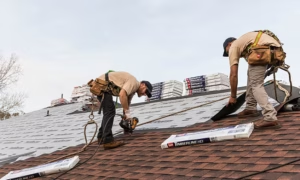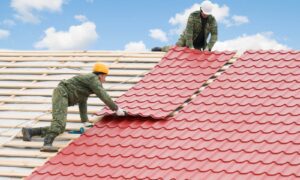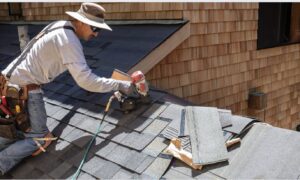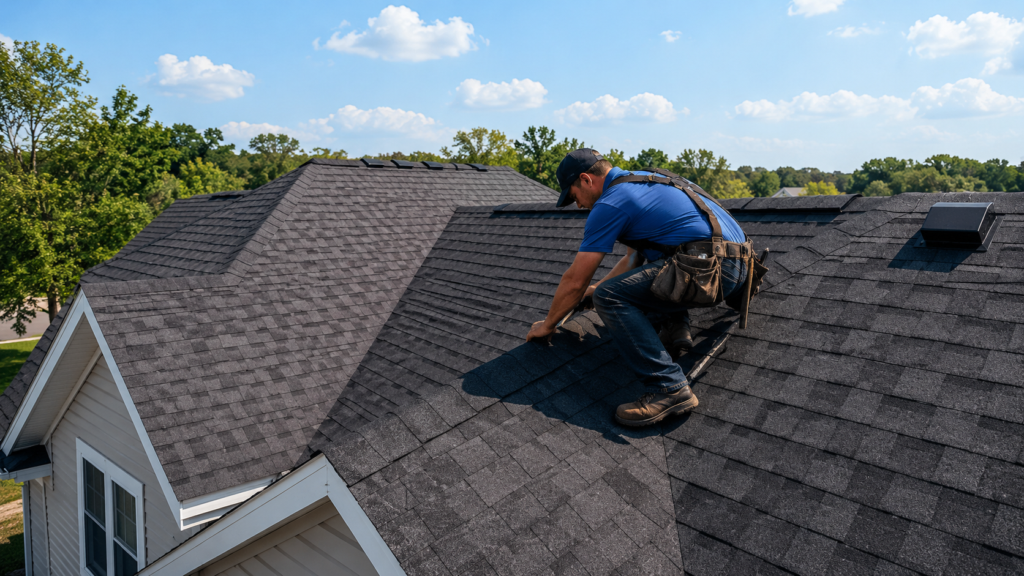
Finding the best roofing company in your area is one of the most important decisions a homeowner can make. Your roof protects your home from weather, water damage, mold, pests, and structural deterioration, so hiring the right contractor directly affects both your property value and long-term safety. Whether you need a minor roof repair, emergency storm restoration, or a complete roof replacement, choosing a reliable roofing company can save you thousands of dollars in future repairs and help you avoid poor workmanship or roofing scams. When you are looking for a reliable roofing company, VNPS Roofing is the team to call, go to https://vnpsroofing.com.
With so many roofing contractors advertising online, it can be difficult to determine which companies are truly trustworthy and experienced. Some contractors offer excellent craftsmanship and customer service, while others may use low-quality materials, unlicensed workers, or misleading pricing practices. Understanding what to look for before signing a roofing contract can help homeowners make a confident and informed decision.
Start With Local Roofing Companies
One of the best ways to find a reliable roofing contractor is to focus on local companies with an established presence in your area. Local roofers are usually more familiar with:
- Regional weather conditions
- Local building codes
- Permit requirements
- Roofing materials suited to the climate
- Insurance claim processes after storms
A roofing company that has operated locally for several years is often easier to verify and more likely to stand behind its workmanship warranties.
Local contractors also depend heavily on community reputation, which encourages better customer service and accountability.
Check Licensing and Insurance
Before hiring any roofing company, homeowners should verify that the contractor is properly licensed and insured.
A reputable roofing company should have:
- A valid state roofing license
- General liability insurance
- Workers’ compensation insurance
- Local business registration if required
Insurance is extremely important because roofing work involves significant safety risks. Without proper coverage, homeowners could potentially be held responsible for accidents or property damage during the project.
Never rely solely on verbal claims. Ask for documentation and verify licenses through your state or local licensing board whenever possible.
Read Online Reviews and Ratings
Customer reviews provide valuable insight into a roofing company’s professionalism, communication, workmanship, and reliability.
Look for reviews on platforms such as:
- Better Business Bureau
- Yelp
- Angi
- HomeAdvisor
Pay attention to patterns rather than focusing on a single review. A strong roofing contractor will usually have:
- Consistently positive ratings
- Detailed customer feedback
- Responses to complaints
- Photos of completed projects
Be cautious of companies with:
- Large numbers of fake-looking reviews
- No online presence
- Frequent complaints about leaks or unfinished work
- Poor communication issues
A few negative reviews are normal for any business, but repeated complaints about the same issues can indicate serious problems.
Ask About Roofing Experience
Not all roofing contractors specialize in the same types of roofing systems. Some focus primarily on residential shingles, while others specialize in commercial flat roofs, tile roofing, or metal roofing systems.
Ask potential contractors:
- How long they have been in business
- What roofing materials they specialize in
- Whether they have experience with your roof type
- If they handle both repairs and full replacements
- Whether they have experience with storm damage restoration
Experienced roofing companies are more likely to identify hidden issues and recommend appropriate long-term solutions rather than temporary fixes.
Verify Manufacturer Certifications
Many top roofing manufacturers offer certification programs for contractors who meet high installation and training standards.
Common certifications include:
- GAF Master Elite
- CertainTeed SELECT ShingleMaster
- Owens Corning Preferred Contractor
- TAMKO Pro Certified Contractor
These certifications often indicate:
- Advanced product knowledge
- Higher workmanship standards
- Access to stronger warranties
- Ongoing professional training
Because manufacturer-certified contractors must maintain quality standards, these certifications can provide additional confidence when choosing a roofing company.
Request a Detailed Roof Inspection
Reliable roofing contractors should perform a thorough inspection before providing an estimate.
A professional roof inspection may include:
- Exterior roof assessment
- Attic inspection
- Moisture detection
- Flashing evaluation
- Ventilation review
- Underlayment condition analysis
- Structural assessment
Avoid contractors who provide pricing without properly inspecting the roof. Quick estimates based only on satellite images or brief visual checks may overlook major problems.
A detailed inspection helps ensure accurate pricing and prevents unexpected costs later.
Compare Multiple Estimates
It is always wise to obtain estimates from at least two or three roofing companies before making a decision.
Roofing estimates should clearly outline:
- Material costs
- Labor charges
- Roofing system details
- Warranty information
- Cleanup procedures
- Project timeline
- Permit responsibilities
- Payment schedule
The cheapest estimate is not always the best option. Extremely low bids may indicate:
- Inferior materials
- Inexperienced labor
- Lack of insurance
- Hidden fees
- Poor workmanship
Focus on overall value, reputation, and quality rather than price alone.
Understand Roofing Warranties
Roofing warranties can vary significantly between contractors and manufacturers.
There are typically two main types of warranties:
- Manufacturer Warranty: Covers defects in roofing materials.
- Workmanship Warranty: Covers installation errors made by the contractor.
Strong workmanship warranties are especially important because poor installation is one of the leading causes of roof failure.
Ask contractors:
- How long the workmanship warranty lasts
- What is covered
- Whether warranties are transferable
- How warranty claims are handled
Reliable roofing companies should explain warranty details clearly in writing.
Watch for Roofing Scams
Unfortunately, roofing scams are common, especially after severe storms or hurricanes.
Warning signs include:
- Door-to-door sales pressure
- Requests for large upfront payments
- No written contract
- Unlicensed contractors
- Extremely low pricing
- Refusal to provide references
- High-pressure insurance claim tactics
Storm-chasing contractors often travel temporarily into disaster areas, collect deposits, perform poor-quality work, and disappear afterward.
Homeowners should always research roofing companies carefully before signing any agreements.
Ask for References and Past Projects
A trustworthy roofing contractor should be willing to provide:
- Customer references
- Before-and-after project photos
- Local project examples
- Testimonials
If possible, homeowners can even visit completed roofing projects in their area to evaluate workmanship quality firsthand.
Seeing previous work can help homeowners assess:
- Material appearance
- Installation quality
- Attention to detail
- Overall professionalism
Evaluate Communication and Professionalism
Strong communication is often a sign of a reliable roofing company.
Professional contractors should:
- Return calls promptly
- Answer questions clearly
- Explain roofing options thoroughly
- Provide written documentation
- Maintain transparent pricing
- Keep customers informed during projects
Poor communication early in the process may indicate future project management problems.
Consider Emergency Roofing Services
In areas prone to storms, hurricanes, or heavy rainfall, emergency roofing services are extremely valuable.
Ask whether the company provides:
- Emergency tarping
- Rapid leak response
- Storm damage inspections
- Insurance claim assistance
- Temporary roof protection
Fast emergency response can significantly reduce interior water damage after severe weather.
Importance of Proper Roofing Materials
The best roofing company should also help homeowners select the right roofing material for their climate, budget, and long-term goals.
Popular roofing materials include:
- Asphalt shingles
- Metal roofing
- Clay or concrete tile
- Slate roofing
- Flat roofing membranes
Each material offers different advantages in terms of:
- Lifespan
- Energy efficiency
- Storm resistance
- Maintenance requirements
- Appearance
Experienced contractors can explain which roofing systems perform best in local weather conditions.
Finding the best roofing company in your area requires careful research, comparison, and verification. A quality roofing contractor should have strong local experience, proper licensing and insurance, positive customer reviews, manufacturer certifications, and clear communication throughout the project.
Homeowners should never rush the hiring process, especially after storms when roofing scams become more common. Taking the time to compare estimates, review warranties, inspect credentials, and evaluate previous work can help ensure a successful roofing project that protects your home for many years.
A professionally installed and properly maintained roof is one of the best investments a homeowner can make, providing long-term protection, improved energy efficiency, and increased property value.