
How To Find High-Quality Camera Equipment

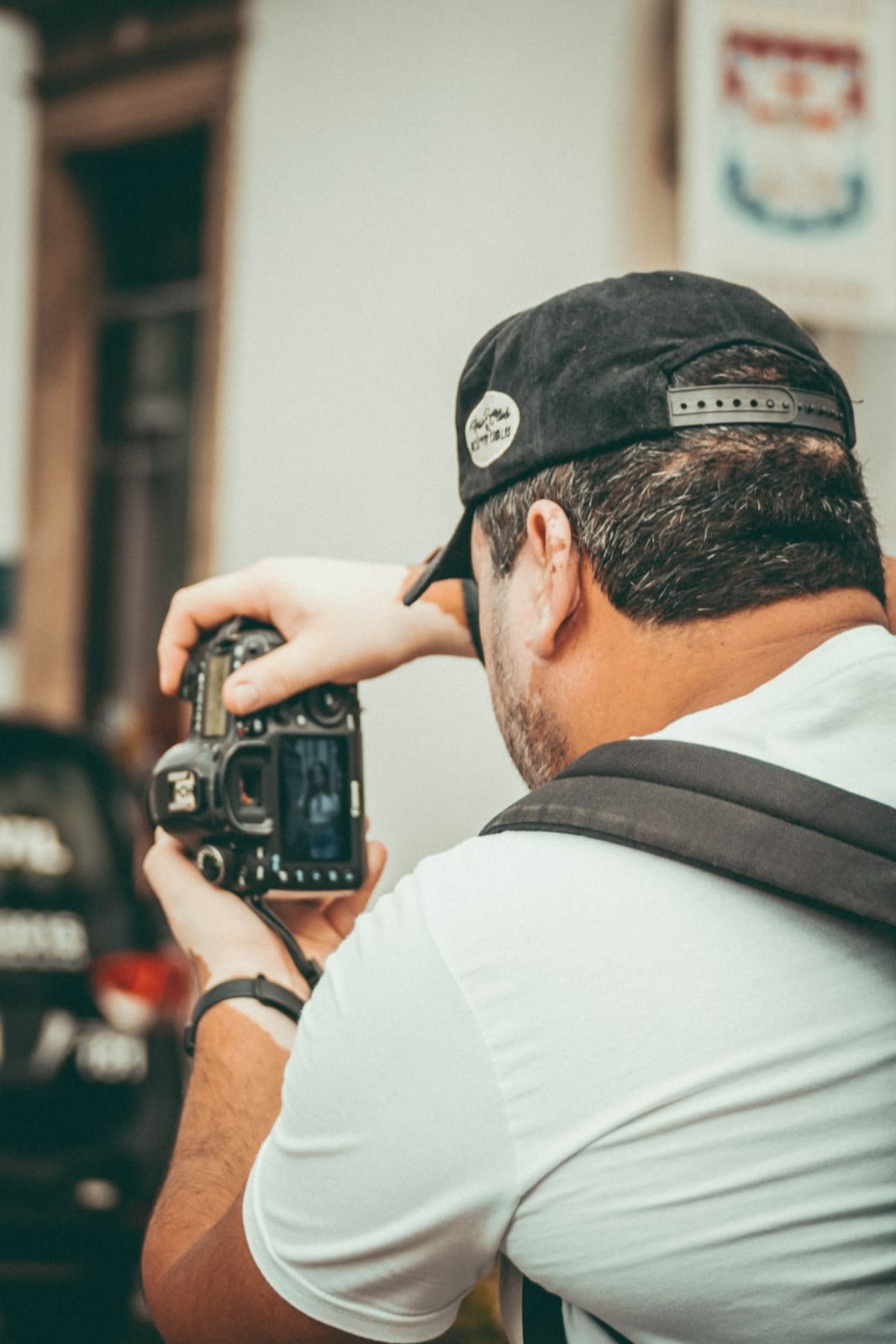
When you invest in camera equipment, you are making a decision that will affect your work for years to come. Whether you are a professional photographer, videographer, or content creator, the quality of your gear directly influences the final output you deliver to clients or audiences. Finding the right equipment requires more than just browsing the latest models or buying what your competitors use. It demands research, understanding your specific needs, and knowing where to look for reliable products that will stand the test of time.
Identify Your Specific Photography Needs
Before you start comparing models or checking prices, take time to clarify what you actually need. Different types of photography require different equipment. A wedding photographer needs different capabilities than a landscape photographer or a sports photographer. Consider what subjects you will be shooting most often, what environments you will work in, and what results you want to achieve. If you are just starting out, think about whether you need a full-frame camera or if a crop-sensor model would serve you better. Understanding your workflow and the specific challenges you face will guide every purchasing decision that follows.
Research Trusted Manufacturers and Brands
The camera equipment market includes many manufacturers, each with different strengths and weaknesses. Brands like Canon, Nikon, Sony, and Fujifilm each have loyal followings for good reasons. Research the reputation of manufacturers in your specific area of interest, and read reviews from established photography publications as well as video comparisons from experienced creators. Look at the warranty coverage and customer support each brand offers, and pay attention to how long each manufacturer supports older models with firmware updates and spare parts availability. Choosing a brand with strong support and a solid reputation means you will have access to resources, lenses, and accessories for years to come.
Evaluate Sensor Quality and Camera Specifications
The sensor is the heart of any camera, and understanding sensor specifications helps you make an informed choice. Sensor size, megapixel count, and ISO range all affect image quality in different ways. Larger sensors generally perform better in low light conditions, while higher megapixel counts allow you to print larger or crop more aggressively. Dynamic range, which refers to the camera’s ability to capture detail in both bright and dark areas, matters significantly for many shooting situations. Read detailed specification sheets and compare cameras side by side on technical review sites. Two cameras with similar specs may still produce different results based on how the manufacturer processes images and designs the autofocus system.
Test Equipment Before Making a Purchase
Whenever possible, hold the camera in your hands before buying it. Professionals who need to evaluate autofocus performance, ergonomics, and image quality in person rely on a reputable camera store like AVC Store to handle different models and take sample photos before committing to a purchase. Many stores offer rental services that let you use equipment for a day or weekend at a fraction of the purchase price. You will discover whether a camera feels comfortable in your hands, whether the menu system makes sense to you, and whether the autofocus performance meets your expectations. Some features that look good on paper may not work well for your personal shooting style. Hands-on testing eliminates guesswork and helps you avoid expensive mistakes.
Compare Prices Across Multiple Retailers
Once you have narrowed down your choices, shop around for the best price. Prices for the same equipment vary significantly between retailers, online stores, and camera shops. Check major electronics retailers, specialized camera shops, and authorized distributors, and look for bundle deals that include lenses, memory cards, or cases, as these can provide real value. Be aware of the difference between gray market equipment and products sold through official channels, since gray market items may be cheaper but often lack a manufacturer warranty or customer support. Compare not just the price but the total cost of ownership, including warranty coverage, return policies, and included accessories.
Read Real-World User Reviews and Feedback
User reviews from actual photographers provide insights that professional reviews sometimes miss. Photography forums, social media groups, and video platforms host communities where people share their real-world experiences with equipment. Read both positive and negative reviews to understand the complete picture, and pay special attention to feedback from photographers with similar needs to yours. Long-term user feedback often reveals issues that might not appear in initial reviews. Every photographer has different preferences and priorities, so one person’s complaint may not matter for your workflow.
Conclusion
Finding high-quality camera equipment requires a systematic approach that goes beyond price tags and brand names. By identifying your specific needs, researching trusted manufacturers, evaluating technical specifications, and testing equipment in person, you set yourself up for success. Comparing prices across retailers and reading real-world user feedback rounds out your decision-making process. The investment you make in quality equipment pays dividends through improved image quality, reliability, and the ability to work more efficiently. Take the time to make an informed choice, and your camera gear will serve you well for many years of creative work.






Comment