How to Find and Choose the Right Office Space for Your Business

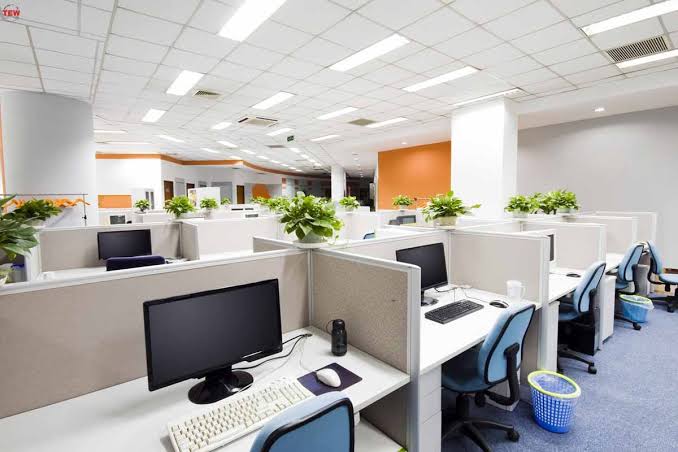
Finding the right office space is an important decision for any business. Whether a company is hiring its first employees, expanding into a new market, or moving away from remote work, the workspace it chooses can influence productivity, operating costs, employee satisfaction, and future growth. A well-planned office search helps businesses avoid unnecessary expenses while creating an environment where teams can work effectively.
However, choosing an office involves more than finding an attractive building or comparing rental prices. Businesses need to consider location, space requirements, lease terms, facilities, accessibility, and the flexibility to adapt as their needs change. Understanding these factors before starting a search makes it easier to compare options and make a confident decision.
1. Define Your Business Requirements Before Searching
The first step in an office search is identifying what the business actually needs. Without a clear set of requirements, it is easy to spend time viewing unsuitable properties or paying for facilities that employees rarely use.
Start by estimating the number of people who will regularly work from the office. Consider whether employees need individual desks, shared workstations, private offices, meeting rooms, or collaborative areas. Businesses that frequently host clients may also need a professional reception area and comfortable meeting facilities.
It is equally important to think about working arrangements. A company with employees attending the office five days a week may require considerably more space than a business operating a hybrid schedule. If some employees work remotely or visit only occasionally, a smaller office with shared desks could be more practical.
Create a list of essential requirements and optional features. Essential requirements might include reliable internet connectivity, convenient transport links, sufficient workstations, and secure access. Optional features could include an outdoor terrace, an on-site café, or premium interior finishes.
This simple exercise provides a useful framework for evaluating properties and prevents attractive but impractical offices from distracting decision-makers.
2. Establish a Realistic Office Budget
Rent is usually one of the largest expenses associated with commercial office space, but it is rarely the only cost. Businesses should calculate the total cost of occupying a workspace rather than focusing exclusively on the advertised monthly rental price.
Depending on the property and agreement, additional expenses may include service charges, utilities, internet access, furniture, cleaning, maintenance, parking, insurance, and security deposits. Traditional leases may also involve legal fees, fit-out expenses, and reinstatement costs when the tenancy ends.
A serviced office or coworking space may include several of these services in a single fee. Although its headline price may appear higher, the combined cost can sometimes be more competitive than renting and managing a conventional office independently.
Prepare a monthly budget that accounts for both fixed and variable expenses. It is also sensible to retain a financial reserve for unexpected costs or changes in business circumstances.
When comparing properties, request a clear breakdown of all charges. Understanding the complete financial commitment makes it easier to identify affordable options without compromising essential business requirements.
3. Compare Different Types of Office Space
Not every business needs a conventional office with a long-term lease. The best arrangement depends on the company’s size, working style, budget, and expected growth.
Traditional leased offices
A traditional office gives businesses greater control over the layout, branding, furniture, and daily operations. It can be suitable for established companies that require dedicated space and expect to remain in the same location for several years.
However, traditional leases can require substantial upfront investment and longer commitments. Businesses may also be responsible for arranging utilities, maintenance, furniture, and other operational services.
Serviced offices
Serviced offices typically provide furnished workspaces alongside facilities such as internet access, reception services, meeting rooms, and shared amenities. The exact package varies by provider.
This arrangement can be useful for startups, consultants, and businesses entering a new market because it reduces the amount of initial setup required. Companies should still review the agreement carefully to understand what is included in the monthly fee.
Coworking spaces
Coworking spaces offer shared work environments where individuals and businesses can rent desks, private offices, or meeting rooms. They often provide greater flexibility than traditional commercial leases.
They can be particularly useful for freelancers, small teams, remote employees, and businesses that do not need a dedicated office every day. Nevertheless, companies should consider privacy, noise levels, meeting-room availability, and data security before choosing a shared environment.
Flexible office rentals
Flexible office arrangements allow businesses to select workspace options that better match their current requirements. Depending on the provider, these may include private offices, short-term agreements, and spaces that can accommodate changing team sizes.
For companies comparing locations and commitment periods, exploring options for office rental in Singapore can be one part of a broader search for a workspace that fits their operational and financial needs.
The important point is to compare the actual facilities, contract conditions, and total costs rather than assuming that one office category is automatically better than another.
4. Choose a Location That Works for Employees and Clients
Location affects more than the image of a business. It can influence employee recruitment, commuting time, client access, and everyday operating costs.
Consider how employees will reach the office. Proximity to public transport, major roads, parking facilities, and essential services can make the workplace more convenient. If the company regularly meets customers or business partners, accessibility may be especially important.
Businesses should also evaluate the surrounding area. Nearby restaurants, cafés, banks, shops, and other amenities can improve the working experience. Companies that depend on walk-in customers may prioritise visibility and foot traffic, while businesses operating primarily online may place greater emphasis on affordability and transport connections.
When comparing locations, look beyond the immediate neighbourhood. Consider whether the area supports the company’s long-term plans, including future recruitment, client expansion, and potential changes in working arrangements.
It is worth visiting shortlisted locations at different times of day. A neighbourhood that appears quiet during a weekend viewing may experience heavy traffic or limited parking during normal business hours.
5. Assess the Layout, Facilities, and Working Environment
An office can look impressive during a viewing but still fail to support everyday work. Businesses should assess how the available space will function during a typical working day.
Check whether the office has enough room for desks, storage, meetings, and collaborative activities. Consider the balance between open-plan areas and private spaces. Open layouts can encourage communication, while enclosed rooms may be necessary for confidential conversations and focused work.
Natural light, ventilation, temperature control, lighting quality, and noise levels can also influence comfort and productivity. Reliable internet connectivity and sufficient electrical outlets are essential for most modern workplaces.
During an inspection, ask about building access hours, maintenance arrangements, security procedures, emergency exits, and accessibility for employees or visitors with disabilities.
Do not rely solely on photographs or virtual tours. An in-person inspection can reveal issues such as background noise, awkward layouts, limited natural light, or inadequate meeting facilities that may not be obvious online.
6. Review Lease Terms and Contract Flexibility
A suitable office must fit the business not only today but also over the duration of the agreement. Before signing a contract, review its terms carefully and seek professional advice where necessary.
Important details include the length of the agreement, renewal options, rent increases, deposit requirements, notice periods, permitted uses, maintenance responsibilities, and conditions for ending the tenancy early.
Businesses should also clarify whether they can make changes to the interior, install equipment, display signage, or accommodate additional employees. Some agreements restrict modifications or require the premises to be returned to their original condition when the tenancy ends.
Flexibility deserves particular attention for startups and growing businesses. A company that expects to double its workforce within a year may find a small office with a long lease difficult to manage. Conversely, a well-established company with predictable staffing may benefit from a longer agreement if the financial terms are favourable.
Ask potential landlords or workspace providers to explain any unclear clauses before making a commitment. Understanding these obligations in advance can help prevent disputes and unexpected expenses later.
7. Use a Structured Process to Compare Shortlisted Offices
Once several suitable properties have been identified, use a consistent evaluation method rather than relying on memory or first impressions.
Create a comparison sheet containing the details that matter most to the business. Include monthly occupancy costs, location, usable floor area, transport access, included services, lease length, and room for future expansion.
Assign greater importance to factors that directly affect business operations. For example, a company that regularly hosts clients may prioritise location and meeting facilities, while a remote-first team may value flexible access and a lower monthly commitment.
It is helpful to distinguish between non-negotiable requirements and features that would simply be nice to have. An office that meets every essential requirement at a reasonable total cost may be a better choice than a more expensive property with impressive extras.
Where possible, request written quotations from providers and confirm that the quoted prices cover comparable services. This reduces the risk of choosing an option that initially appears cheaper but becomes more expensive after additional charges are included.
8. Plan for Business Growth and Changing Needs
An office should support the company’s future direction, not just its current headcount. Before selecting a workspace, consider expected recruitment, new departments, changing client requirements, and possible shifts towards hybrid working.
Businesses do not necessarily need to rent a much larger office in anticipation of growth. Instead, they can look for arrangements that allow them to add desks, access additional meeting rooms, or move into a larger private office when necessary.
Technology requirements should also be considered. Cloud-based systems, video conferencing, secure networks, and reliable connectivity can make some traditional office features less important while increasing the value of flexible meeting and collaboration areas.
Review the workspace periodically after moving in. If large sections remain unused or employees regularly struggle to find meeting space, the business may need to reconsider its layout or occupancy arrangement.
A flexible approach allows companies to control costs while keeping their workspace aligned with actual operational needs.
Conclusion
Finding the right office space requires a balance between affordability, location, functionality, and flexibility. Businesses that define their requirements early, calculate total occupancy costs, compare workspace types, inspect facilities, and review contract terms are better positioned to make informed decisions.
The most suitable office is not necessarily the largest, newest, or most expensive property. It is the workspace that supports employees, serves customers effectively, fits the available budget, and accommodates the company’s future plans.
By following a structured search process and evaluating each option against clear business priorities, companies can choose an office that contributes to productivity and provides a practical foundation for long-term growth.