A well-styled side table can quietly lift the look of an entire room. These small surfaces often sit beside sofas, chairs, or beds, and can serve both decorative and functional roles. Arranged thoughtfully, they help tie a room together and reflect your personal style without creating clutter. With the right approach, even a simple piece from Art Dei Marmi can become a focal point that balances form with everyday use.
Decorating a side table is about more than just placing objects on a flat surface. It involves playing with scale, texture, colour, and function to create a scene that feels intentional and coherent. Good styling balances practicality with aesthetic interest, ensuring that the table feels like a curated part of the room rather than an afterthought.
In this guide, we’ll walk through the best ways to style your side table, from foundational principles to specific ideas that work in living rooms, bedrooms, and other spaces.
Why Side Table Styling Matters?
Side tables might be small, but they play an important role in interior design. They provide:
- Functional surfaces for lighting, drinks, books, and small items
- Visual anchors beside larger furniture pieces
- Opportunities to introduce texture and personality
Without thoughtful styling, a side table can look empty or cluttered. When styled well, it adds depth and character to a room while remaining useful. Designers often treat these vignettes with as much care as they do larger surfaces like mantels or console tables, using them to express personality and reinforce a design theme.
Start With a Clear Purpose
Before placing any items on the tabletop, think about how you use the space. A side table may be:
- A place for a lamp and reading material beside a sofa
- A spot for an alarm clock and cup of tea in a bedroom
- A staging area for small essentials in an entryway
Knowing its purpose helps you decide what to include and what to leave out. A common mistake is to add decorative objects without considering how the surface will be used. For example, if your side table doubles as a landing place for mugs and remotes, keep enough clear space so these practical tasks don’t feel awkward.
Choose a Base Layer
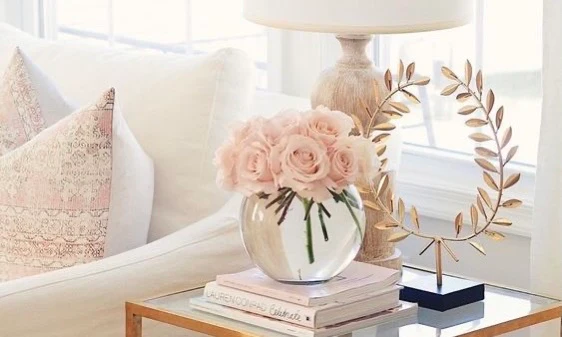
Most side table styling begins with a base layer. This is the large item that anchors the vignette. Lamps are a common choice because they provide both light and height, creating a visual hierarchy that guides the eye. Statement lamps come in many forms, from ceramic pieces that add warmth to sculptural designs that act like art sculptures.
Alternatives to lamps include taller vases with fresh flowers or decorative branches, which bring vertical interest without taking up too much space. In minimalist settings, even a framed piece of artwork leaning against the wall behind the table can serve as a base layer.
Apply the Rule of Three
One of the most widely recommended styling principles for side tables is the Rule of Three. This suggests grouping three objects of different heights, shapes, or textures to create an arrangement that feels balanced yet casual.
For example:
- A tall lamp
- A medium-height plant
- A small decorative bowl or candle
Using three items prevents symmetry that can feel stiff, while still allowing enough visual complexity to sustain interest. Varying the heights and shapes ensures that each object has its own presence without competing for attention.
Mix Textures and Materials
Layering different materials adds depth and tactile richness. You can combine ceramics, metal finishes, woven baskets, glass accents, and natural elements like wood or stone. This mix keeps the table from feeling flat or one-note.
If your table surface is smooth and sleek, such as with a marble side table, contrast it with matte pottery or a rough-textured tray. The contrast between polished stone and organic materials brings subtle visual tension that elevates the overall look.
Use Books as Structural Elements
Stacking a couple of coffee table books is a popular and useful styling trick. Books serve as mini pedestals that raise items like candles, small sculptures, or decorative bowls, helping to achieve varied heights without needing too many separate pieces.
When choosing books, look for covers that fit your colour palette, or place neutral covers on the bottom with a small accent piece on top to draw the eye. Keep titles that reflect your interests so the vignette feels personal rather than generic.
Add Greenery or Florals
Plants and flowers instantly enliven a side table and bring a refreshing natural element indoors. Small potted plants like succulents or ferns are ideal for low-maintenance care, while fresh flowers in a vase add colour and seasonal charm.
Pay attention to scale though. A tiny plant can get lost next to a tall lamp, while too large a plant can overwhelm the surface. Balance is key. Try placing greenery next to a stack of books or in front of a taller decorative item to create a sense of layered depth.
Incorporate Functional Decor
While decorative elements are important, a stylish side table also considers function. Items like coasters, trays, and small bowls can serve both practical and aesthetic roles. A decorative tray, for instance, can corral remotes, keys, or coasters while visually unifying the display.
Using functional decor prevents the space from feeling overly staged and ensures it remains useful day to day. This blend of form and function is what makes a well-styled side table feel intentional rather than cluttered.
Personal Touches Matter
Side table styling is a chance to tell your story. Incorporate items that reflect your interests and experiences, such as:
- Small souvenirs from travels
- Family photos in stylish frames
- Vintage finds from local markets
Personal items help make the space feel lived-in and authentic. Just remember to keep the overall presentation coherent; too many personal knick-knacks can overwhelm a small surface.
Consider Seasonal Updates
Changing your side table decor with the seasons is a fun way to keep your space feeling fresh and relevant. In spring, you might choose brighter flowers and lighter hues. In autumn, warm tones and dried arrangements offer a cozy feel. Holiday decor can be introduced sparingly to avoid overpowering the table.
Seasonal updates don’t need to be dramatic. Even swapping one accent piece or changing the flowers can refresh the visual narrative of the vignette.
Pay Attention to Scale and Negative Space
While objects enrich a side table, negative space is just as important. Leaving some empty surface helps prevent the table from feeling cluttered and provides room for everyday use. Prioritize a few meaningful pieces over many small, disconnected items.
Make sure larger items don’t block functionality. For example, a lamp placed too close to the edge may interfere with placing a drink beside it. Balance the layout so that it remains beautiful and functional.
Styling an art dei marmi Piece
If your side table is from Art Dei Marmi, you already have a piece with a strong visual presence. Marble surfaces lend sophistication and texture to a space, and their natural veining can become a design strength when paired with the right accessories.
Because marble surfaces are visually rich on their own, consider pairing them with simpler decor items like a ceramic vase, a sculptural lamp, or a small plant. The smooth stone surface reflects light beautifully, especially when surrounded by contrasting organic materials.
A marble side table can become the anchor of a room’s décor, especially when styling follows the principles of balance, texture mix, and thoughtful layering discussed above.
Bedroom and Other Room Styling Ideas
Side tables are not limited to living rooms. In bedrooms, they often function as nightstands. In these spaces, styling should reflect both decor and utility:
- Pair a reading lamp with a few favorite books
- Leave room for a morning coffee
- Use a small dish to hold jewellery or a watch at night
In reading nooks, a side table can hold a small stack of books, a coaster for drinks, and a tiny plant to bring warmth to the space. In hallways or entryways, a side table might support a bowl for keys and a decorative accent piece to welcome guests.
Final Thoughts
Decorating a side table is about creating harmony between function and style. Whether you are styling a sleek contemporary piece or a classic marble side table, the same principles apply: start with a clear purpose, choose anchor pieces, play with height and texture, and let personal touches shine through.
By thinking deliberately about placement, balance, and meaning, even a small piece of furniture can become a carefully curated statement in your home.