
How To Choose Villas That Match Your Travel Style

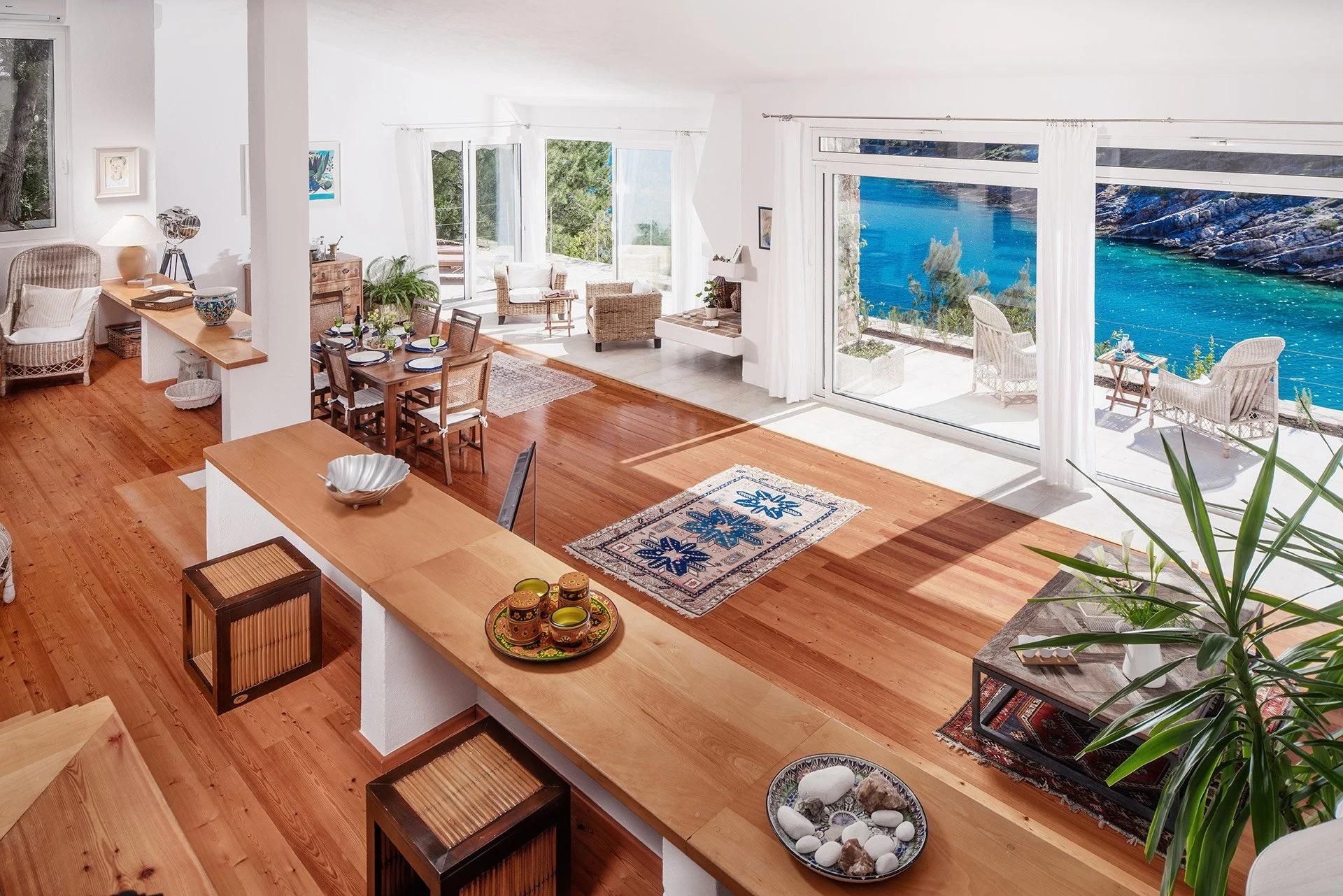
Choosing a villa begins with understanding how travelers rest, gather, eat, and move through each day. Bedroom count matters, but comfort also depends on privacy, sound control, kitchen use, outdoor shade, and access to local plans. A good selection supports real routines instead of photo appeal alone. With clear priorities, every stay can feel calm, practical, and well-matched from the first evening onward.
Match the Stay To the Group
A villa should match the group’s rhythm before anyone weighs aesthetics or views. For a waterfront stay, Villa Oceana gives a useful reference point, with five bedrooms, 5.5 bathrooms, open gathering areas, terraces, and pool space that support meals, quiet pauses, and unhurried coastal routines.
Start With Travel Purpose
Purpose should guide the search early. A family trip may call for laundry, shaded seating, safe stairs, and separated sleeping zones. Work trips need reliable internet, calm desks, parking, and rooms suited for calls. Friends often value outdoor dining, access to nightlife, and flexible lounges. Once the main purpose is clear, views, décor, and rates become easier to judge.
Study the Location
Location controls the daily pace. A villa near beaches, restaurants, shops, parks, and airports can reduce time spent in transit. Fort Lauderdale visitors may look near Las Olas Boulevard, Riverwalk, yacht marinas, or coastal paths. A quieter address often suits longer stays, while a central base helps short visits feel full without crowding the schedule.
Review Bedroom Flow
Bedroom layout affects comfort more than a simple room count. Placement, bathroom access, bed sizes, window exposure, and privacy all deserve review. A primary suite with terrace access may suit parents or hosts. Neutral guest rooms can work well for mixed groups. Travelers should also confirm occupancy limits, since a listed capacity may feel tighter in practice.
Check Indoor Living Areas
Indoor rooms matter during rain, late breakfasts, and slower evenings. Open kitchens, dining spaces, and lounges help groups gather without feeling crowded. Large windows can bring daylight into shared areas and reduce the need for heavy lighting. Enough seating lets guests read, work, talk, or watch a film without competing for one comfortable spot.
Kitchen Use
Cooking plans should shape the kitchen review. Check counter space, cold storage, cookware, serving pieces, and seating before assuming the setup will fit.
Evaluate Outdoor Space
Outdoor areas often shape the strongest memories of a villa stay. Heated pools, loungers, terraces, shaded chairs, grills, and waterfront decks can extend the day comfortably. Guests should check whether pool zones suit children, older relatives, or sun-sensitive travelers. Outdoor meals also need proper lighting, enough chairs, and shelter from heat or sudden rain.
Confirm Service Needs
Service changes the character of a stay. Some travelers want housekeeping, grocery stocking, childcare, wellness appointments, or a private chef. Others prefer fewer visits and greater privacy. Before booking, guests should confirm what is included, what carries extra cost, and how early requests must be made. Clear arrangements make arrivals feel orderly rather than rushed.
Compare Access and Mobility
Access details can affect safety and ease. Ensure that private parking is available for rental cars, drivers, and airport transfers. Elevator access may help older guests, those with heavy bags, or anyone with limited mobility. Dock proximity can suit boat charters. Pet approval, identification rules, arrival windows, departure times, and rental documents should be checked before payment.
Getting Around
Car service works well for dinners and events. Rental vehicles help with beach days, shopping, parks, and airport runs across South Florida.
Balance Privacy and Energy
Every group has a preferred energy level. Some guests want restaurants, nightlife, and entertainment close by. Others need quiet water views, slow mornings, and private dinners. One choice is not better for all travelers. The right fit depends on sleep habits, family routines, pool time, and how often the group plans to leave the property.
Read the Fine Print
Policies can decide whether a villa truly fits. Guests should review event rules, pet charges, insurance guidance, deposits, guest limits, noise terms, and cancellation dates. Photos may look ideal, yet restrictions can change the plan. Careful reading protects the budget and keeps expectations aligned before anyone confirms dates or shares costs.
Conclusion
The best villa choice starts with honest travel habits, then moves through layout, access, service, location, and policies. Beauty matters, but fit carries more weight. Guests should picture a normal day, from breakfast through evening plans, and compare each property with that pattern. When the home supports how people gather, rest, eat, and move, trips feel easier, warmer, and more memorable.







Comment