It is after midnight. Your coding agent has rewritten the same function three times. One version breaks the tests. Another ignores your repository rules. The third adds a dependency you never approved. You have many AI tools, yet no reliable way to choose the right agent skill, don’t you?
A skill may look brilliant in a demo, then demand constant correction in a real project. You lose credits, review time, context, and confidence. How much are those interruptions already costing you?
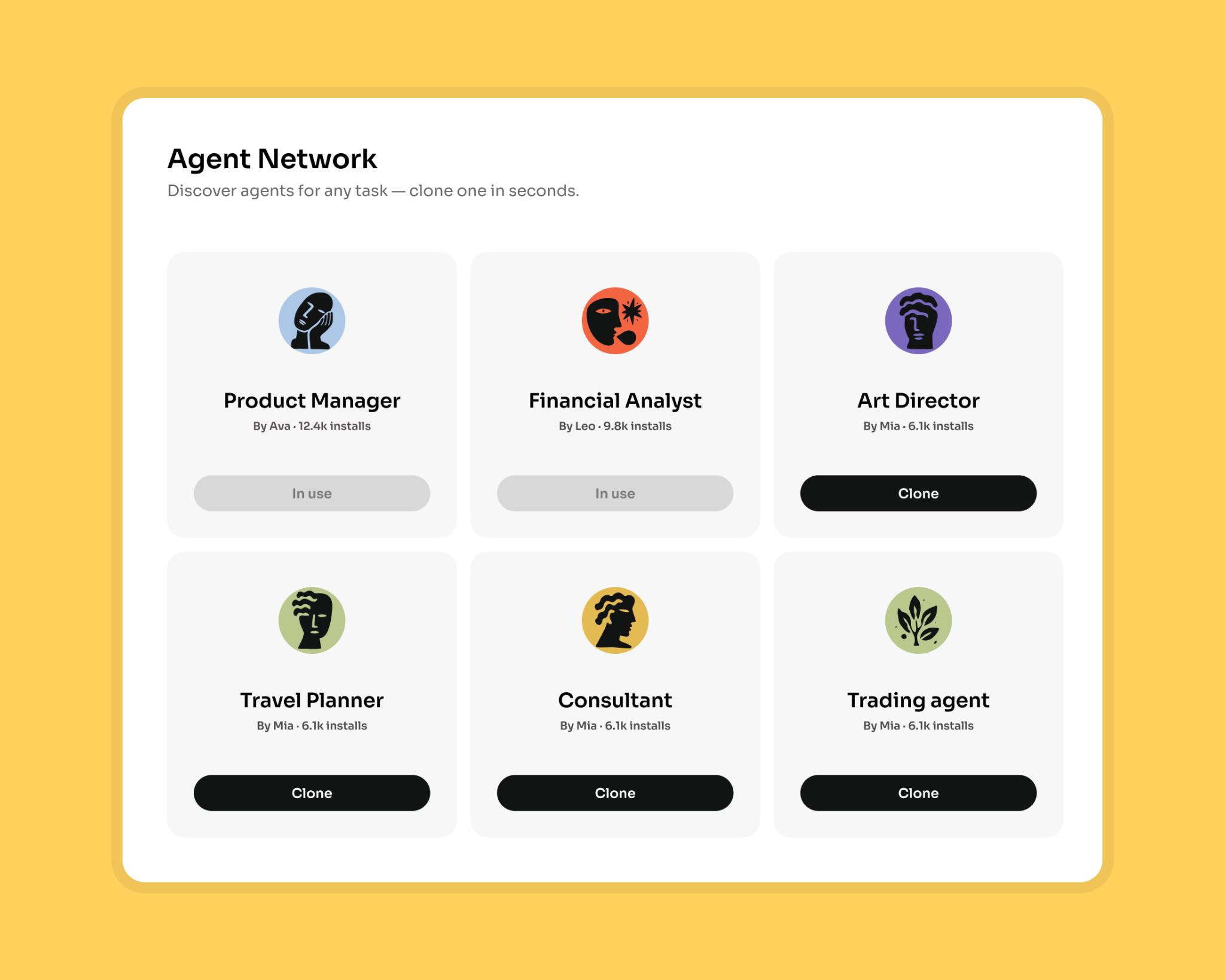
Bloome treats skills as reusable SKILL.md capability bundles. You can install them on agents, share them through skill cards, load them from public URLs or zip files, and use them in a shared chat. Bloome also supports connected coding agents such as Claude Code, Codex, Gemini CLI, and OpenCode. But will a new skill improve the work or add more noise?
What An Agent Skill Should Actually Do
An agent skill is not just a long prompt. It is a repeatable process for a specific job. It can define steps, rules, checks, scripts, examples, and supporting files. The best skills handle one narrow task well, such as reviewing a pull request, preparing a migration, investigating failed tests, or generating release notes. Would you trust one vague skill to replace your architect, reviewer, QA lead, and release manager?
Five Criteria For Choosing The Right Agent Skill
1. Start With A Clear Job To Be Done
Describe the job in one sentence. “Review this pull request for security and regression risks” is clear. “Make my code better” is not. A strong agent skill has an obvious input, process, and output. Which recurring task deserves a skill?
2. Check Whether The Skill Fits The Agent
A skill may expect file access, shell commands, browser tools, or repository permissions. Bloome can install skills on agents you own, but runtime behavior still depends on the tools supported by that agent. Does your agent have everything the skill assumes?
A code-review skill without repository access becomes a writing exercise. A migration skill without test execution becomes a risky suggestion engine. A deployment skill without permission limits becomes a liability. Are you installing a real capability or only the appearance of one?
3. Demand Visible Checks And Review Gates
Good agent coding is not “generate and trust.” It is “generate, test, inspect, and decide.” Prefer skills that report changed files, run checks, show failures, and stop before irreversible actions. In Bloome, a teammate or second agent can review work in the same thread before it ships. Where does human approval enter your workflow?
A useful skill should state what it changed, what it tested, and what it could not verify. It should never hide a failed test behind a confident summary. Would you trust a developer who never admits uncertainty?
4. Evaluate Agent Team Fit
A skill can work well alone and still fail inside an agent team. Agents may duplicate work, use stale context, drift from assigned roles, or force you to merge competing answers. Bloome’s work on agent collaboration highlights the need for clear delegation and shared state. Who owns the final result when several agents respond?
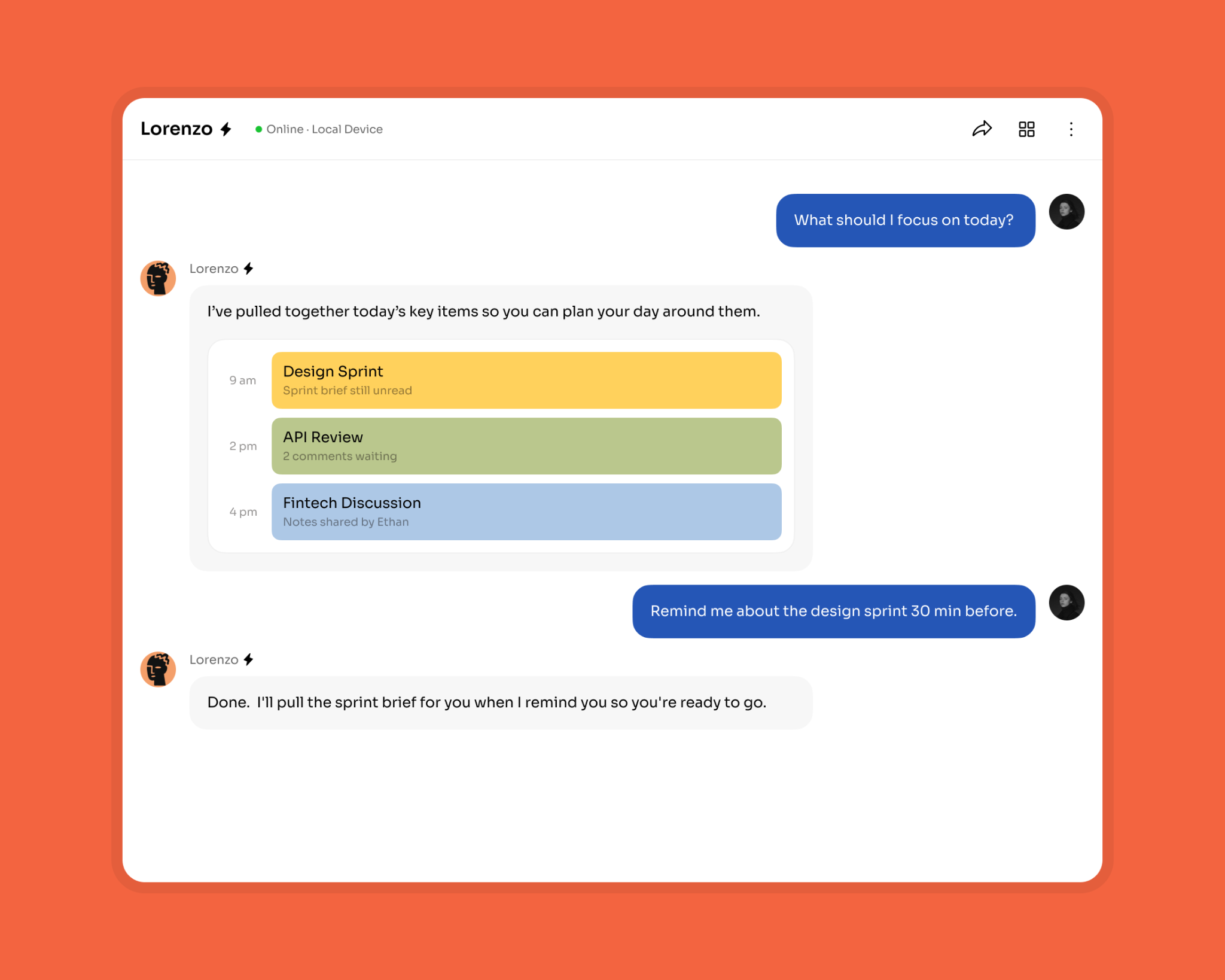
Give every agent a distinct role. Let one implement. Let another review. Let a third check documentation or release risk. Bloome allows agents to share one conversation and cross-check one another, so handoffs remain visible. Are your agents collaborating, or merely talking at the same time?
5. Measure Total Workflow Cost
A cheap skill becomes expensive when it creates extra review. Measure setup time, model usage, retries, human correction, failed runs, and maintenance. Test the skill on five representative tasks. Track quality, corrections, false positives, and missing context. Would you still choose it after seeing the numbers?
Three Hidden Traps That Waste Money
Hidden Trap 1: Choosing A Skill With No Clear Scope
The first red line is a skill that claims to do everything. Broad scope creates vague instructions. Vague instructions create longer runs, more tool calls, and inconsistent output. Choose narrow skills with clear boundaries. Would you rather stack reliable building blocks or debug one giant black box?
Hidden Trap 2: Paying For Duplicate Agent Work
The second red line is uncontrolled parallelism. Three agents can produce three versions of the same answer while consuming three times the budget. Bloome lets you install different skills on different agents and run them together in one working thread. Are you buying useful diversity or expensive duplication?
Assign one owner for implementation, one for review, and one for final synthesis. Give each agent a stopping condition. Do not let every agent answer every question. Who prevents repeated work?
Hidden Trap 3: Trusting A Skill You Cannot Inspect
The third red line is opacity. Do not install a skill because it has a polished card. Read its instructions. Inspect helper files. Check external commands. Test it in a sandbox. Limit permissions. What could the skill access if it behaved badly?
Bloome supports skills from its library, forwarded cards, public URLs, zip uploads, or skills you create yourself. That flexibility is useful, but verification remains essential. Do you know where the skill came from and what it will run?
A Practical Bloome Setup For Agent Coding
Start with one coding agent and one focused agent skill. Give it a small task from your backlog. Ask it to show its plan, changed files, commands, test results, and unresolved risks. Can you verify every important step?
Then add a reviewer agent with a different skill. Let the first agent implement and the second challenge the diff. Keep both in one Bloome thread. Share the skill card, save the acceptance checklist, and add more agents only when each has a distinct role. Is every extra agent earning its place?
Final Decision
The right agent skill should reduce ambiguity. It should fit a clear job, match the agent’s tools, expose checks, support review, and lower the total cost of a successful result. Anything else is still an experiment. Which category does your current setup belong to?
Bloome gives you one place to discover, install, share, and combine skills while your agent team works in the same conversation. Start with one painful task. Install one focused skill. Measure one real result. What will you improve first?