
How to Choose Men’s Ski Gear That Actually Works on the Mountain

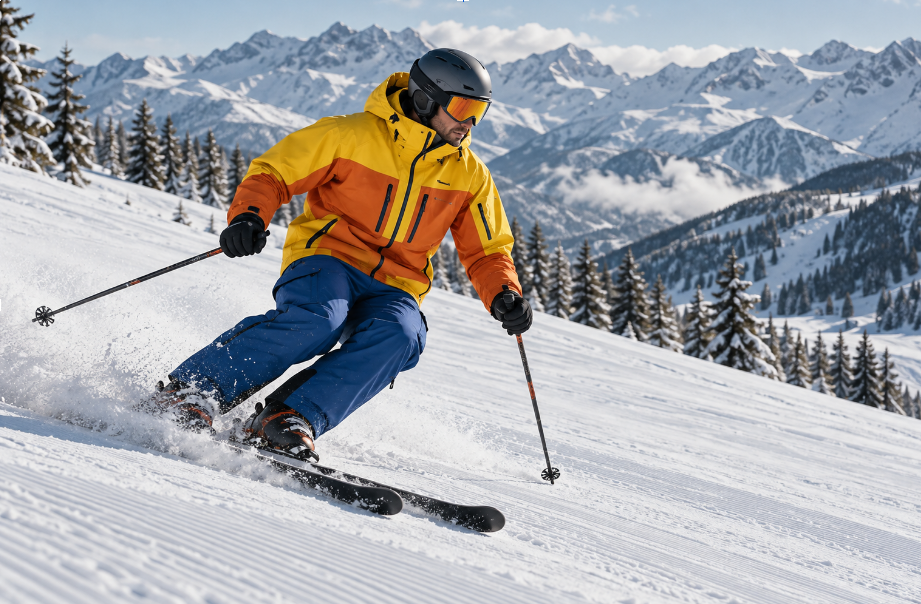
Buying ski gear can be confusing. Product descriptions are filled with waterproof ratings, insulation weights, fabric names, and technical features that sound important but do not always explain how the clothing will feel during a real day on the mountain.
The easiest way to make a good choice is to start with your skiing habits. Someone taking relaxed resort runs in Colorado needs a different setup from a snowboarder spending most of the day in the terrain park. Weather, activity level, trip length, and personal comfort matter more than choosing the most technical-looking outfit.
Before buying anything, think about where and how you expect to ski.
Begin With the Conditions You Will Face
A ski outfit should suit the climate in which it will be used most often. Cold, dry resorts call for different clothing than warmer mountains where snow is frequently wet.
For consistently cold conditions, insulated jackets and pants can make the day more comfortable. They provide built-in warmth and require less planning each morning. In milder or changeable weather, shell clothing offers greater flexibility. A shell blocks wind and moisture but contains little insulation, allowing you to adjust warmth through the layers underneath.
There is no universally correct choice. Insulated clothing is convenient, while shells are adaptable. The better option is the one that fits your normal destination and how much heat your body produces while skiing.
Understand Waterproof and Breathability Ratings
Waterproof ratings are usually shown in millimeters, such as 10K, 15K, or 20K. In general, a higher number indicates stronger resistance to moisture. However, the rating alone does not tell the whole story.
Sealed seams, durable outer fabric, waterproof zippers, and a well-designed hood can be just as important. A jacket with a strong rating may still allow moisture inside if the seams are poorly protected.
Breathability also deserves attention. Skiing generates heat, particularly during challenging runs, hikes, or long sessions in soft snow. Clothing that cannot release moisture may leave the inner layers damp, even if no snow enters from outside.
When reviewing men’s ski wear, consider waterproofing and breathability together. The goal is not simply to keep moisture out. A useful ski outfit also needs to help heat and perspiration escape.
Check the Fit While Moving
Ski clothing should be evaluated in motion, not just while standing in front of a mirror.
When trying on a jacket, reach both arms forward as if holding ski poles. Raise them above your head, rotate your shoulders, and bend at the waist. The jacket should move with you without pulling tightly across the back or exposing your lower body.
For pants, perform a few deep squats and lift each knee toward your chest. Tightness around the thighs, seat, or knees can become uncomfortable after several hours of skiing. At the same time, pants should not be so loose that extra fabric catches on equipment.
Remember to leave space for the clothing you will wear underneath. A jacket that fits perfectly over a T-shirt may feel too tight once a thermal layer and fleece are added.
Give Ski Pants the Attention They Deserve
Jackets often receive most of the attention, but pants deal with some of the toughest conditions. They come into contact with wet chairlifts, blowing snow, sharp ski edges, and the ground whenever you stop to adjust a binding.
Good waterproof snow pants for men should provide reliable weather protection without making it difficult to bend or turn. Reinforced cuffs are useful because the lower legs are particularly vulnerable to cuts and abrasion.
Boot gaiters are another valuable feature. They fit around the ski boots and prevent loose snow from entering through the bottom of the pant legs. Side vents can help release heat when the weather warms up, while secure pockets provide a safe place for small items.
Check the length with ski boots if possible. Pants that seem slightly long with ordinary shoes may sit correctly once they are worn over boots.
Choose Practical Features, Not the Longest Feature List
More features do not automatically make a piece of clothing better. What matters is whether those features solve real problems.
A ski-pass pocket on the sleeve can make lift access easier. Underarm vents are useful for skiers who overheat quickly. A powder skirt helps stop snow from entering the jacket during a fall or a deep-snow run. Large zipper pulls are easier to operate while wearing gloves.
Pocket placement is especially important. A phone or wallet stored beneath a backpack strap can become uncomfortable. Bulky objects in the front of tight pants may interfere with movement. Before buying, imagine where you will carry your pass, phone, keys, and any other essentials.
A simple jacket with well-positioned features is often more useful than a complicated one filled with details you will never use.
Build a Sensible Layering System
The clothing beneath the outer shell affects comfort as much as the jacket itself.
Start with a moisture-managing base layer made from merino wool or synthetic fabric. Its job is to move perspiration away from the skin. Avoid cotton because it holds moisture and becomes cold when wet.
The next layer provides warmth. A fleece works well in moderate conditions, while a lightweight insulated jacket may be better during colder trips. If the day warms up, this layer should be easy to remove and store.
Do not assume that more layers always mean more warmth. Clothing that is packed too tightly can reduce mobility and limit the air space that helps retain heat. A few compatible pieces usually perform better than several bulky garments.
Finish the Setup With the Right Accessories
Ski socks should rise above the top of the boots and fit without wrinkles. One pair of technical socks is usually sufficient. Wearing two pairs can create pressure and reduce circulation.
For hand protection, gloves offer better control, while mittens generally provide more warmth. Whichever style you choose, make sure the cuffs work with the sleeves of your jacket. There should not be an exposed gap where wind and snow can enter.
A helmet, goggles, and neck gaiter complete the essential setup. Test the helmet and goggles together to make sure they fit comfortably and do not leave a large opening across the forehead.
Make Comfort the Final Test
The best ski outfit is not necessarily the one with the highest specifications. It is the one you can wear for an entire day without constantly adjusting the waistband, opening the jacket, or worrying about moisture getting inside.
Choose gear for the conditions you genuinely expect to encounter. Check the fit while moving, focus on useful features, and build a layering system that can be adjusted throughout the day.
When your clothing works properly, you stop thinking about it. That leaves more attention for the snow, the terrain, and the reason you came to the mountain in the first place.





Comment