
How to Choose FR Jackets and Vests for Cold-Weather Work

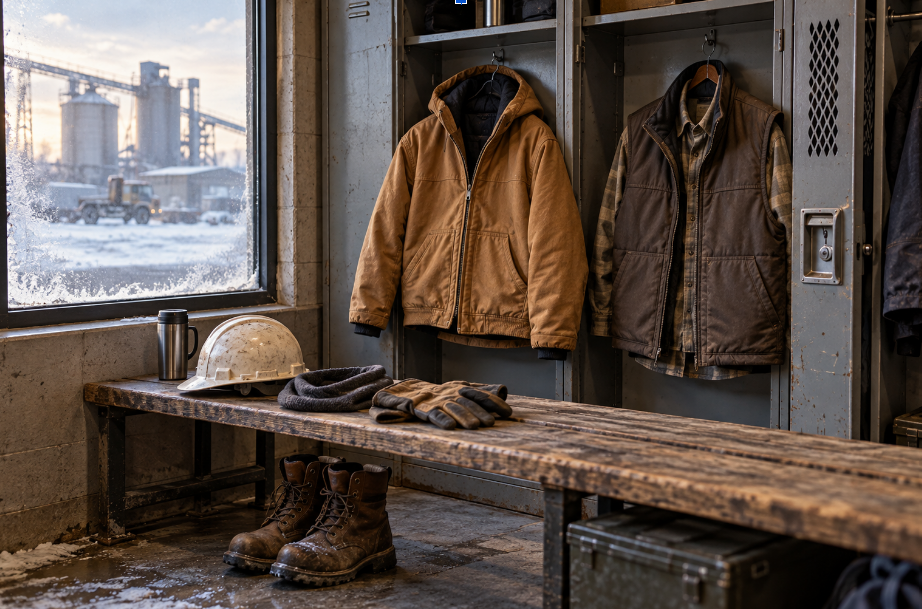
Cold weather can turn an ordinary shift into a much harder one. Wind, rain, snow, and long periods of standing still can drain body heat quickly. At the same time, workers in electrical, welding, utility, construction, and oil and gas jobs may still need protection from arc flash or flash fire. The challenge is finding outerwear that keeps you warm without creating extra bulk or getting in the way of the job.
FR jackets and vests can both be useful in winter, but they serve different purposes. The right choice depends on the weather, the work being done, and the other protective equipment you need to wear.
Begin With the Required Protection
Warmth should never be the only reason for choosing a jacket or vest. Start with the workplace hazard assessment and the PPE requirements for your task. Check the garment label for its arc rating, PPE category, stated standards, and care instructions.
Not every flame-resistant garment provides the same level of protection. A heavy jacket may feel more protective, but fabric weight and insulation do not tell you its arc rating. Likewise, reflective tape does not automatically mean that a garment meets a particular high-visibility standard. Each claim should be confirmed on the product label.
When an FR Jacket Makes Sense
A jacket provides coverage for the arms and upper body, making it the stronger choice for exposed, windy, or very cold conditions. It can also help protect the layers underneath from light moisture, dirt, and jobsite abrasion.
When comparing FR jackets for cold weather, look beyond the thickness of the garment. Check the shell material, lining, closure, cuffs, collar, and hood design. Flannel and fleece linings can add warmth, while heavier insulated styles may be better for low temperatures or less active work.
Think about how the jacket feels during movement. It should be roomy enough for a base layer and mid-layer, but not so loose that it catches on equipment. Raise your arms, reach forward, bend, and squat before deciding that the fit is right. The jacket should stay closed and continue covering the waist and wrists.
Pay attention to weather-related descriptions as well. “Water-repellent” does not mean “waterproof.” A water-repellent finish may handle light rain or snow, but prolonged exposure can allow moisture to enter through the fabric, seams, zipper, or cuffs.
When an FR Vest Is the Better Option
An FR vest keeps the torso warm while leaving the arms free. This can make it more comfortable for active work or tasks that require frequent reaching, lifting, and tool handling. A vest may also be useful during cool mornings or changing weather when a full insulated jacket feels too warm.
The tradeoff is reduced coverage. A vest does not protect the arms from wind, cold, sparks, or other workplace hazards. It should only be used when the clothing worn underneath provides the protection required for the task.
Fit matters just as much with a vest. It should close easily over the middle layers without pulling across the chest or leaving large gaps around the armholes. Pockets should be easy to reach, but they should not interfere with a harness, tool belt, or other PPE.
Choose the Right Level of Insulation
More insulation is not always better. A worker performing heavy physical tasks can overheat even when the air temperature is low. Once sweat builds up inside the clothing, the body may cool rapidly during a break or a period of lighter activity.
For active work, a lighter jacket or vest combined with adjustable layers may be more practical than one very heavy coat. Workers who spend long periods outdoors with little movement may need a thicker lining and better wind protection.
Check Compatibility With Other PPE
Cold-weather outerwear must work with the rest of your safety equipment. A bulky collar or hood may interfere with a hard hat, hearing protection, respirator, or face shield. Large pockets and loose fabric can conflict with fall-protection harnesses or tool belts.
Do not assume that a hood can safely be worn under a hard hat. It may affect the suspension fit, stability, hearing, or peripheral vision. Follow the hard-hat manufacturer’s instructions and workplace policy.
The same principle applies to FR accessories for winter work, including balaclavas, neck gaiters, welding caps, sleeves, and gloves. An accessory should provide useful coverage without preventing other PPE from fitting or functioning correctly.
Look at Fit and Everyday Details
Small features can make a noticeable difference during a long shift. Look for cuffs that limit cold air without restricting gloves, a collar that protects the neck, and closures that can be operated with cold hands.
Review the size chart for the specific product instead of relying on the size you usually buy. Account for the layers you plan to wear underneath, especially when ordering online.
Inspect the garment regularly for holes, worn fabric, damaged seams, broken zippers, and contamination. Wash and dry it according to the care label.
Make the Choice Based on the Work
Choose an FR jacket when you need arm coverage, stronger wind protection, or more insulation. Choose an FR vest when freedom of movement and temperature control matter more, provided the layers underneath meet the job’s safety requirements.
The best cold-weather outerwear is not simply the warmest option. It is the garment that matches the hazard, works with your other PPE, and allows you to move safely throughout the shift.






Comment