
Convector Heater Safety Tips for Everyday Use

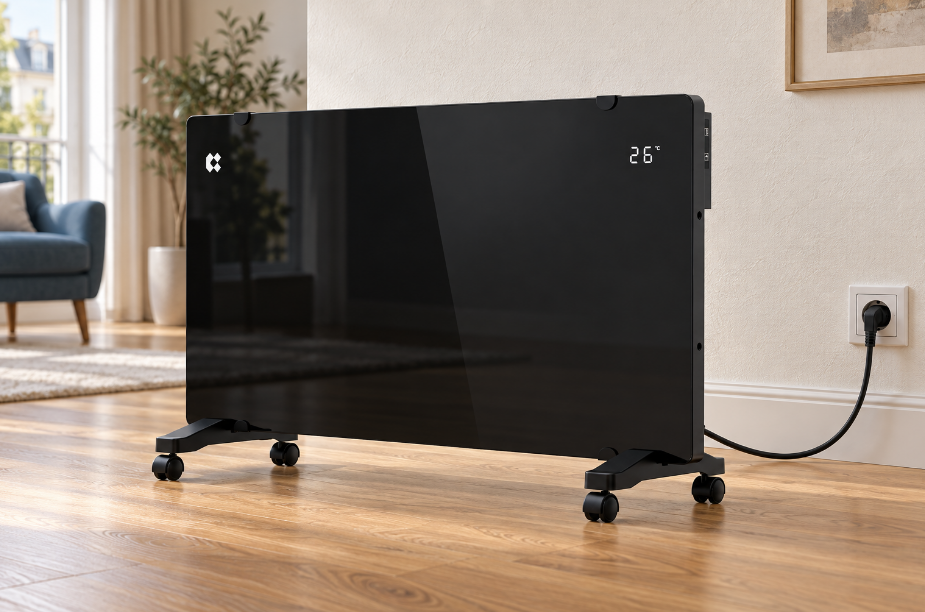
As the weather gets colder, keeping your home warm and comfortable becomes a priority. A convector heater is a practical heating solution for bedrooms, living rooms, home offices, and other suitable indoor spaces. It warms the air through natural convection, allowing warm air to rise while cooler air moves toward the heating element. This creates a continuous flow of warm air without requiring a fan.
However, like any electrical heating appliance, a convector heater must be used correctly. Safe placement, proper maintenance, and responsible everyday use can help reduce common risks and support reliable performance throughout the colder months.
Imagine coming home on a chilly evening and switching on your heater before settling down with a book. The room gradually becomes more comfortable. However, if the heater is placed too close to a curtain or covered with clothing, a simple comfort routine can become a safety concern.
Convector Heater Safety: Keep Curtains, Clothing, and Furniture Away
It can be tempting to place a heater close to a sofa or hang damp clothing nearby to help it dry faster. However, these habits can create unnecessary safety risks.
A curtain could fall against the heater, while a blanket placed over the appliance could trap heat and block the vents. Some convector heaters include an overheat protection feature that cuts power when the unit becomes too hot. Nevertheless, this feature should never be treated as permission to cover the appliance or restrict its airflow.
Never cover a heater while it is operating, and do not use the appliance to dry clothes. Keep bedding, cushions, paper, and other combustible materials away from hot surfaces. Check that curtains cannot fall across the heater, and maintain the clearances recommended by the manufacturer.
Convector Heater Electrical Safety: Check Cords and Plugs
Electrical safety is another essential part of using a convector heater. Heating appliances draw electrical power to produce warmth, so their plugs, cables, and connections should remain in good condition.
Before using your heater, inspect the cable for cracked insulation, exposed wires, or other damage. Ensure the plug fits securely into a suitable wall socket. Avoid extension leads and multi-plug adapters unless their use is permitted by the manufacturer and they are appropriately rated. Never run the power cord under rugs, carpets, or heavy furniture, and keep electrical connections away from water and damp areas.
Convector Heater Safety Features to Look for Before Buying
Not every heating appliance offers the same features. Before purchasing a convector heater, review the product specifications to understand which safety functions the model includes.
Overheat protection can cut power when the heater reaches an unsafe temperature, although the air vents must still remain clear. Thermostat control helps regulate room temperature by controlling when the heater operates, supporting more consistent comfort. Some portable models also include tip-over protection, which switches off the appliance if it falls over. However, this feature is not available on every model.
Timers and programmable controls can help manage heating periods and prevent the appliance from running longer than necessary. Clear operating instructions are equally important because they explain installation, electrical requirements, required clearances, and maintenance.
Convector Heater Thermostat and Timer Settings for Everyday Use
A thermostat helps maintain a comfortable temperature without requiring constant manual adjustments. However, using the controls correctly is important.
Start by selecting a comfortable temperature for the room and the people using it. Setting the thermostat unnecessarily high does not necessarily make the room warm faster. Instead, it may cause the heater to continue operating until a higher target temperature is reached.
To use the controls effectively, switch on the heater according to the manufacturer’s instructions and select a comfortable temperature. Allow the room to warm gradually, then adjust the thermostat if the room becomes too warm. If your model has a timer, use it when its settings suit your schedule.
Convector Heater Maintenance: Keep Air Vents Clean
A convector heater relies on the movement of air to distribute warmth. Dust and blocked openings can interfere with this process, making regular cleaning and maintenance important.
Before cleaning, switch off the heater, unplug it, and allow it to cool completely. Wipe the exterior with a soft, dry cloth, and remove loose dust around the air intake and outlet as directed by the manufacturer. Do not pour water onto the heater or allow moisture to enter its electrical components. Avoid inserting objects into the vents, and do not remove panels or attempt internal repairs unless the manual permits the task and you are qualified to perform it.
If the heater makes unusual noises, repeatedly activates its overheat protection, or no longer heats as expected, stop using it and arrange a professional inspection where appropriate.
Regular maintenance helps preserve airflow and supports reliable operation throughout the heating season.
Convector Heater Safety in Bedrooms and Bathrooms
Bedrooms can benefit from comfortable background warmth during colder weather. However, bedding, blankets, and curtains can easily come into contact with a heater if it is positioned too close to the bed.
Keep the appliance at the distance specified in its manual. Never place it under bedding or where clothing could fall onto it. Follow the manufacturer’s instructions about using the heater while sleeping or leaving it operating unattended.
Bathrooms require additional care because water and electricity can be a dangerous combination. Do not use an ordinary portable convector heater in a bathroom or another wet area unless the specific appliance is designed and approved for that environment and is installed according to applicable electrical safety requirements.
Range Hood vs. Convector Heater: Understanding Their Different Uses
A convector heater and a range hood serve different purposes, even though both are common household appliances.
A convector heater warms indoor air to make a room more comfortable. A range hood, also known as a kitchen extractor hood, is designed to capture cooking fumes, grease, smoke, and odours. Depending on its design, it may vent air outdoors or filter and recirculate it.
Neither appliance replaces the other. A range hood is not designed to heat a room, and a convector heater is not designed to remove cooking fumes.
Conclusion
A convector heater can be a useful addition to your home, providing quiet, steady warmth in suitable indoor spaces. However, safe operation involves more than simply switching it on. Proper placement, clear air vents, sound electrical connections, suitable temperature controls, and regular maintenance all matter.
Before purchasing a heater, compare its heating capacity, controls, documented safety features, warranty, and installation requirements. Choose a model that suits your room and follow the manufacturer’s instructions from the first day of use.
Ready to make your home more comfortable? Explore our range of convector heaters and compare the available features to find an option that fits your everyday heating needs. Review the product details, check its safety specifications, and choose with confidence.
.







Comment