
How to Choose a Custom Lighting Manufacturer for Hotel Projects: 7 Key Criteria

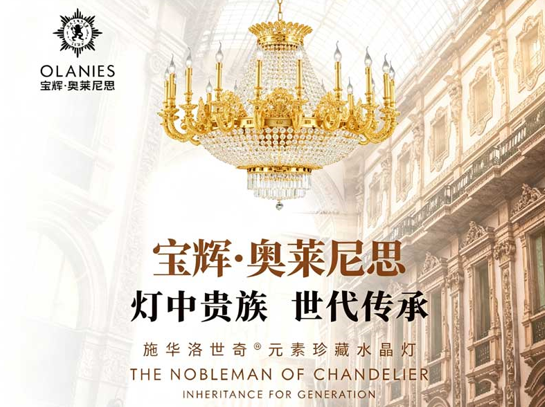
The overall style and atmosphere of a luxury hotel are shaped to a large extent by its lighting.
Whether it is artistic decorative lighting in the lobby and ballroom or ambient lighting designed for specific spaces, standard lighting fixtures often struggle to match the unique design vision of a hotel. As a result, Custom Lighting has become an important solution for high-end hospitality projects.
However, when designers, hotel owners, and general contractors carry out Hotel Lighting Projects, they often encounter challenges such as significant differences between renderings and finished products, delayed delivery, inadequate craftsmanship, and insufficient after-sales support. Choosing the right Custom Lighting Manufacturer is therefore critical to the successful execution of a hotel Lighting Project. It can directly affect aesthetics, structural safety, project schedules, and long-term maintenance costs.
Based on practical experience in high-end lighting projects, this article outlines 7 practical evaluation criteria to help designers, hotel owners, and project contractors systematically evaluate potential manufacturing partners and avoid common risks when sourcing custom hotel lighting.
1. Evaluate Design, R&D, and Engineering Capabilities
A professional Custom Lighting Manufacturer should do more than simply reproduce a lighting fixture from a picture. The manufacturer should have professional Lighting Design and engineering capabilities to transform a designer’s sketches, concepts, and renderings into products that can be manufactured, installed, and used safely in commercial environments.
Many small workshops can imitate the appearance of a fixture but lack comprehensive engineering capabilities. They may overlook the load-bearing structure of large fixtures, fail to consider glare control in hotel spaces, or arrange crystal components improperly. These issues can affect the final visual effect and may even create potential safety risks.
Key points to evaluate:
- In-house professional design and R&D team
The manufacturer should be able to participate in design development and provide recommendations for structural design, light source integration, suspension methods, and other technical considerations.
- Prototyping and sample validation
Before mass production, the manufacturer should be capable of producing physical samples to verify materials, lighting effects, crystal arrangement, surface finishes, and overall craftsmanship.
- Experience with comparable luxury hotel projects
The manufacturer should have experience with hotel projects of a similar level and understand the different lighting requirements of lobbies, ballrooms, corridors, guestrooms, and other hospitality spaces.
For example, Diamond Life Lighting, established in 1979, has a team of more than 100 designers, three R&D centers, and more than 200 independent patents. The company has undertaken projects including Atlantis The Royal in Dubai, the Palace Museum in Beijing, and Sands in Macau. With experience ranging from concept development to finished product delivery, the company has extensive experience in complex custom lighting projects, including large-scale Crystal Chandeliers.
[Learn More About Our Capabilities →]
2. Verify the Complete Manufacturing Chain and Avoid Outsourcing
Luxury hotel Lighting Projects require strict control over craftsmanship, delivery schedules, and product consistency. Manufacturers with their own production facilities should therefore be prioritized, while brokers and suppliers that rely heavily on third-party outsourcing should be evaluated carefully.
Key points to verify:
- In-house production facilities and core processes
Check whether key processes such as metal cutting, engraving, electroplating, glass or crystal processing, assembly, and aging tests are completed in-house rather than outsourced to small workshops.
- Equipment and production capacity
The manufacturer should have suitable equipment and production capacity for large-scale and heavy custom lighting fixtures, including oversized Crystal Chandeliers.
- Quality control and certification systems
Check whether the manufacturer has quality and environmental management certifications such as ISO 9001 and ISO 14001. Products should also comply with applicable commercial lighting safety standards. Depending on the export market, relevant certifications such as CE, UL, or ETL may also be required.
Diamond Life Lighting’s domestic production base covers approximately 128,000 square meters and is equipped with advanced manufacturing equipment, including German laser cutting technology. Core processes such as metal fabrication, engraving, electroplating, and crystal assembly are handled in-house, allowing the company to maintain greater control over quality and production schedules for large-scale Hotel Lighting Projects.
3. Examine Real-World Hotel Project Experience
Project references are one of the most direct ways to evaluate a manufacturer’s overall capabilities. When reviewing a supplier’s portfolio, do not focus only on attractive renderings. Instead, request documentation of completed Lighting Projects, especially projects involving luxury hotels of a similar scale and standard.
Information worth requesting from the manufacturer:
- Completed project photos and project information
Ask for real site photos and project details, paying particular attention to large Crystal Chandeliers and other non-standard custom lighting fixtures.
- Project scale
Find out whether the manufacturer has handled projects comparable to yours in terms of project size, fixture quantity, complexity, and production requirements.
- International project experience
For overseas hotel projects, determine whether the manufacturer understands the certification requirements, export logistics, and cross-border delivery processes of the target market.
A manufacturer with proven experience in comparable Lighting Projects is generally better positioned to understand the practical challenges of design development, production, transportation, and installation coordination.
4. High-Quality Supply Chain Resources Determine the Final Product Quality
For high-end Crystal Chandeliers and artistic custom lighting fixtures, the quality of raw materials has a direct impact on the final appearance, performance, and durability of the product.
High-quality crystal, metal materials, and light source components provide the foundation for achieving the intended design effect.
Characteristics of a reliable manufacturer:
A qualified manufacturer should ideally have stable relationships with recognized material and component suppliers, such as Swarovski and RCR for crystal, and Osram and Philips for lighting components.
Reliable material sources can help maintain crystal clarity, metal surface durability, and appropriate light source performance, including a high Color Rendering Index (CRI ≥ 90), making the fixtures suitable for the frequent and long-term use common in hotel environments.
Risk to watch out for:
If a manufacturer relies on inconsistent or untraceable material sources, the finished product may fail to achieve the expected visual quality and durability even when the design itself has been accurately reproduced.
Over time, issues such as oxidation, discoloration, and light-source degradation may also increase maintenance and replacement costs.
5. Evaluate End-to-End Project Services: From Sampling to After-Sales Support
A luxury hotel Lighting Project is a comprehensive process. Manufacturing is only one part of the project. Sampling, packaging, logistics, installation guidance, spare parts, and after-sales support can all influence the final project outcome.
Service checklist:
| Service Stage | What to Require |
| Sampling | Physical prototypes for important fixtures, especially large Crystal Chandeliers, to confirm materials, finishes, craftsmanship, and lighting effects before mass production. |
| Production Scheduling | Regular production progress updates aligned with the hotel’s overall construction schedule, with delivery responsibilities clearly defined in the contract. |
| Packaging & Logistics | Professional protective packaging for large non-standard lighting fixtures to minimize the risk of damage during transportation, especially for fragile crystal chandeliers. |
| On-Site Technical Support | Installation drawings, suspension structure calculations, and on-site technical guidance when necessary. |
| After-Sales Support | Spare parts supply, maintenance services, and a clear response mechanism to support the hotel’s long-term operation. |
Many suppliers focus only on manufacturing and shipment, leaving customers to handle subsequent processes themselves. If transportation damage or installation problems occur, the resulting delays and rework costs can be significantly higher than the savings achieved during initial procurement.
A manufacturer with comprehensive Lighting Customization capabilities should therefore be able to support the project beyond production and delivery.
6. Structural Safety: A Non-Negotiable Requirement
No matter how attractive a lighting fixture is, safety must always come first.
Large lobby-level Crystal Chandeliers can weigh hundreds of kilograms. Their suspension systems, ceiling reinforcement, and fall-arrest systems should be properly calculated and verified by professional structural engineers rather than estimated based on workshop experience alone.
Documents that should be requested:
- Structural load calculations signed or approved by a qualified professional engineer
- Safety testing or certification documents for suspension hardware
- Installation methods and detailed anchoring drawings
For large-scale Custom Lighting projects, structural safety should be considered from the early design stage rather than addressed only after production has begun.
7. Certification and Compliance: Avoid Customs or Inspection Problems
International hotel projects are subject to different market access and safety requirements. If a manufacturer is familiar only with Chinese GB7000 series standards, additional compliance requirements may need to be addressed when exporting lighting products to Europe, the United States, the Middle East, Southeast Asia, or other markets.
Common certifications and standards to verify according to the target market:
- CE — European markets
- UL / ETL — North American markets
- SASO / ESMA — Middle Eastern markets
- IEC 60598 — International luminaire safety standard
Before entering into a cooperation agreement, request copies of the relevant certificates and verify their validity and applicability to the specific products and target market.
A professional Lighting Supplier should be able to clearly explain the applicable certification requirements and provide the necessary documentation for the project.
Common Pitfalls When Choosing Custom Hotel Lighting
| Pitfall | Risk |
| Choosing Only by Price | Low prices may indicate reduced material quality or simplified production processes, while later rework can cost significantly more than the initial savings. |
| Ignoring Structural Safety | The suspension and load-bearing design of large chandeliers is critical and should never be overlooked in favor of appearance alone. |
| Starting Mass Production Without Sample Approval | For non-standard custom lighting, physical samples should be approved before mass production. Verbal commitments are not sufficient. |
| Ignoring Certification & Compliance | Domestic and international hotel projects may have specific safety and certification requirements. Confirming them in advance can help avoid inspection or acceptance problems. |
| No After-Sales Clause in the Contract | Hotels operate continuously, so lighting failures require a clear service and response mechanism. |
Summary: What to Look for in a Custom Lighting Partner
Based on the 7 criteria above, a suitable partner for luxury hotel projects should have the following capabilities:
- Professional design and engineering capabilities to transform creative concepts into manufacturable products
- A complete in-house manufacturing chain with direct control over core production processes and quality
- Proven luxury hotel project experience, especially with complex fixtures such as large Crystal Chandeliers
- Reliable material and component supply chains from recognized suppliers
- End-to-end project services, including sampling, production coordination, logistics, installation guidance, and after-sales support
- Professional structural safety capabilities for large and heavy custom fixtures
- Valid international certifications applicable to the target market, such as CE, UL, and IEC-related requirements
Choosing a Custom Lighting Manufacturer for a luxury hotel is not simply a matter of purchasing lighting fixtures. It means choosing a long-term partner throughout the entire project lifecycle. The right partner can help ensure that the lighting design is accurately translated into finished products while supporting quality, safety, delivery, and long-term operation.
Ultimately, well-designed Custom Lighting can become a defining element of a hotel’s interior space and help bring the designer’s original vision to life.
FAQ
Q1: Is it necessary to choose a custom lighting manufacturer with its own factory?
It is strongly recommended to prioritize manufacturers with their own production facilities. Brokers and manufacturers that rely heavily on outsourcing can make quality and delivery schedules more difficult to control. Working directly with a manufacturer that manages design, production, and quality control in-house can improve communication efficiency and project coordination.
Q2: What details should be considered when choosing a custom hotel crystal chandelier?
In addition to crystal quality, pay close attention to the electroplating finish of the metal frame, load-bearing and suspension structure, light source color rendering, glare control, and transportation protection. These areas can have a significant impact on the quality, safety, and long-term performance of a large Crystal Chandelier.
Q3: What capabilities should a custom lighting manufacturer have for overseas hotel projects?
The manufacturer should understand the certification requirements of the target market, such as CE, UL, or other applicable standards. It should also have experience with export packaging, customs clearance coordination, international logistics, project scheduling, and remote installation technical support.
For large-scale international Lighting Projects, these capabilities can help reduce communication risks and support smoother project delivery.







Comment