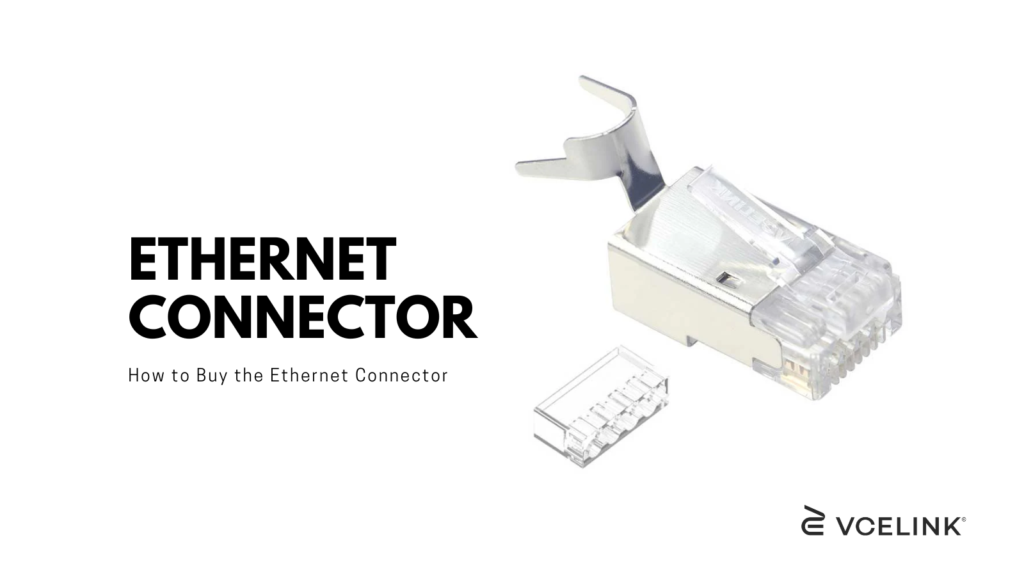
Did you know? Many network failures actually stem from RJ45 connector.
The RJ45 connector is a standard network connector used to connect twisted-pair cables with network devices and is also an indispensable and important component in Ethernet cabling.
Although it may seem insignificant, it directly affects the stability of network connections and transmission performance. If the wrong choice is made, it may lead to unstable connection and decreased network speed at the least, frequent disconnections, abnormal PoE power supply, and even the need to remake the entire network cable, increasing the maintenance cost in the later stage.
Whether it is a home network upgrade, office wiring, or enterprise network construction, choosing the right RJ45 connector is an important step to ensure network performance. This article will help you understand the key issues to pay attention to when purchasing RJ45 connectors, avoid common purchasing misunderstandings, and make every network connection of yours more stable and reliable.
What is an RJ45 connector?
The RJ45 connector is an important interface for electrical connection between network cables and network devices, and is widely used in Ethernet devices such as computers, switches, routers, patch panels, and network cameras. A complete RJ45 connector is typically composed of a housing, eight metal Pins, a wire slot, a snap, and a ground collars (or boot fixing structure). When the network cable is pressed into the RJ45 connector, the 8 metal pins inside will pierce through the insulation layer of the wire and form stable contact with the 8 copper conductors. When the connector is inserted into the RJ45 network port, the contacts are then correspondingly connected to the spring in the device interface, thereby establishing a complete signal transmission path and achieving stable transmission of data and PoE power supply.
A high-quality RJ45 connector not only reduces contact resistance and signal attenuation, but also minimizes crosstalk, return loss and other issues, ensuring stable network operation at gigabit, 10-gigabit or even higher speeds. Therefore, in a structured cabling system, although the RJ45 connector is small, it is one of the key components that affect network performance and long-term reliability.
How to choose the right RJ45 connector?
Before purchasing an RJ45 connector, many people will prioritize the price, brand or product reviews. However, in fact, confirming whether the connector is compatible with the network cable and the usage environment is a more important step.
First of all, it is necessary to confirm the Category of the network cable. RJ45 connectors typically correspond to different grades such as Cat5e, Cat6, Cat6A, Cat7, and Cat8. Different categories vary in internal cable tray size, supported bandwidth, and transmission performance. It is generally recommended to choose a connector of the same or higher grade as the network cable to fully leverage the performance of the network cable.
Secondly, it is necessary to confirm whether the network cable is Shielded or Unshielded. Shielded network cables should be paired with shielded RJ45 connectors to maintain the continuity of the complete shielding layer and enhance the ability to resist electromagnetic interference.
In addition, it is also necessary to understand the types of conductors. Network cables are generally divided into Solid and Stranded, and the RJ45 connectors used in the two are not exactly the same. If the type of conductor does not match the design of the connector, it may cause the metal pins to fail to firmly contact the wires, affecting the stability of the connection.
In addition, the wire diameter of the AWG and the outer diameter of the Cable OD are also important parameters that are easily overlooked. The AWG range and cable outer diameter range supported by different RJ45 connectors vary. Before purchasing, check the product specifications to ensure they are consistent with the size of the network cable, avoiding problems such as inability to insert wires, loose crimping, or inability to fix the tail clamp.
How to judge the quality of RJ45 connector?
In addition to whether the specifications match, the material of the RJ45 connector also affects its electrical conductivity, durability and service life. High-quality materials can provide more stable signal transmission and reduce network failures caused by oxidation, wear or poor contact. Therefore, when purchasing RJ45 connectors, more attention should be paid to the material and craftsmanship of the product.
Among them, Pins are one of the most crucial components of the RJ45 connector. Products on the market usually use phosphor bronze or copper alloys as the base material and undergo gold plating treatment on the surface. Gold plating can enhance electrical conductivity, while also strengthening oxidation resistance and corrosion resistance. Generally speaking, the higher the thickness of the gold plating, the better the plugging and unplugging performance and service life of the contacts. Common specifications include 3μin, 15μin, 30μin and 50μin. Among them, 50μin gold plating is more suitable for application scenarios such as data centers and enterprise networks that require long-term stable operation.
The casing of the connector is usually made of polycarbonate (PC) material. High-quality PC features high transparency, impact resistance and flame retardancy. It not only makes it easy to observe whether the wire sequence is correct, but also maintains good mechanical strength during long-term use, reducing the risk of connection quality being affected by shell cracking or deformation.
In addition, some shielded RJ45 connectors are also equipped with metal shielding housings. Common materials include nickel-plated copper alloy or zinc alloy. This type of design can form a complete shielding system with shielded network cables, effectively reducing electromagnetic interference (EMI) and crosstalk. It is particularly suitable for environments with high requirements for network stability, such as industrial automation, data centers, and PoE power supply.
Common mistakes when buying RJ45 connectors
When purchasing RJ45 connectors, many users tend to overlook some key details, which can lead to installation difficulties or a decline in network performance. The following are several common purchasing misunderstandings:
1) Only look at the price, not the specifications. Low-priced products may vary in material, gold plating thickness and manufacturing process, and problems such as poor contact may occur after long-term use.
2) Ignore the category matching of network cables. For different grades of network cables such as Cat6, Cat6A, and Cat7, the corresponding specification of RJ45 connectors should be selected; otherwise, the transmission performance of the network cables may not be fully utilized.
3) The type of conductor has not been confirmed. Solid and Stranded require connectors of different structures to be matched. Selecting the wrong one may lead to poor crimping or unstable connection.
4) Ignore AWG and the outer diameter of the cable. If the cable diameter range supported by the connector does not match the network cable, installation problems such as the network cable being unable to be inserted and the tail clip being unable to be fixed may occur.
5) Shielded network cables are paired with unshielded connectors. In a high-interference environment, incorrect combinations can undermine the overall shielding effect and affect network stability.
Summary
When choosing a suitable RJ45 connector, a comprehensive consideration should be made based on the specifications of the network cable, the usage environment and the actual application requirements. From the type of network cable, the shielding type, to the conductor structure, wire diameter matching and product material, every detail will affect the final connection effect.
High-quality RJ45 connectors can provide more stable signal transmission, more reliable connection performance, and reduce later maintenance costs. When purchasing, it is recommended to first confirm whether the connector is compatible with the network cable, and at the same time pay attention to the contact material, gold plating thickness, structural design and applicable scenarios of the product.
Whether it is home network upgrades, enterprise comprehensive cabling, or industrial environment applications, choosing the right RJ45 connector is an important step to ensure the stable operation of the network. Only by choosing the appropriate product based on actual needs can the performance of network cables be fully utilized and a more reliable and efficient network connection be established.