
How Technology Is Changing the Way We Plan Modern Living Rooms

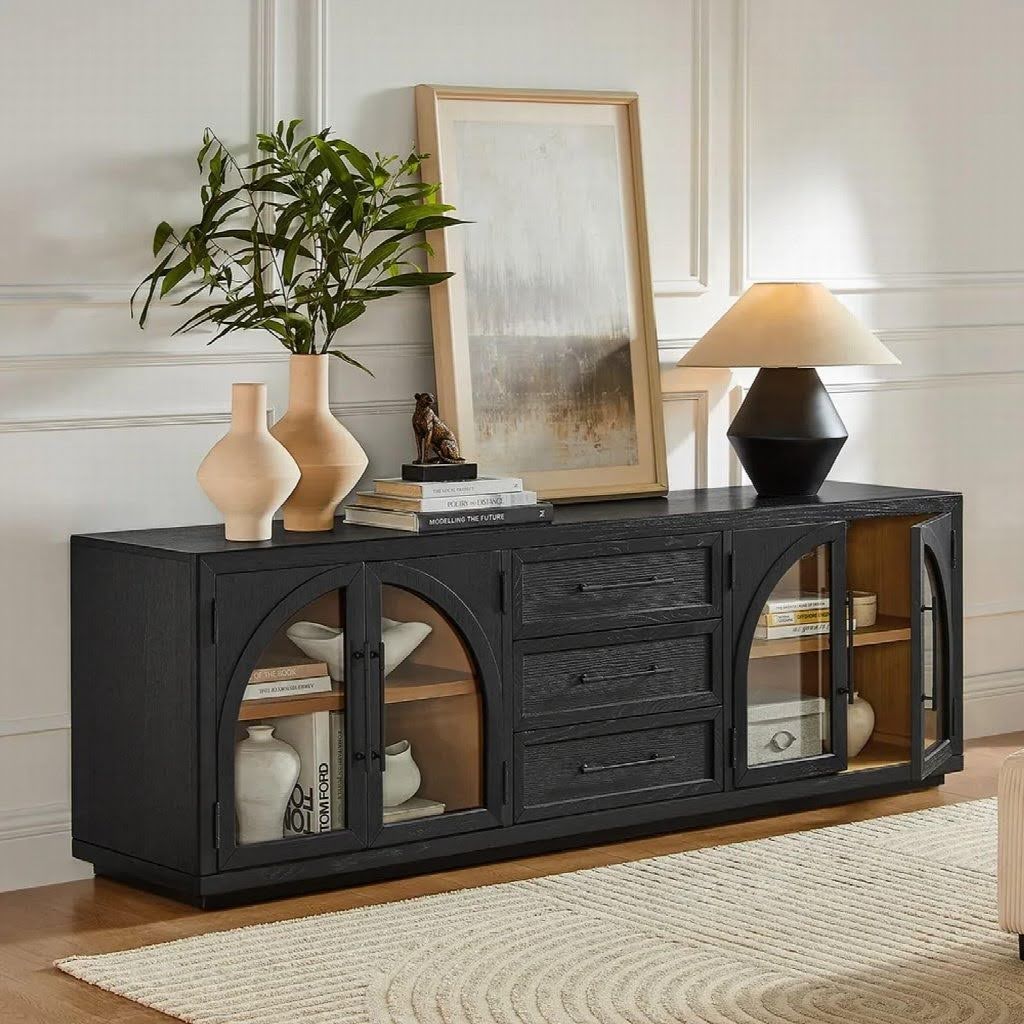
For years, living-room planning was mostly about furniture: sofa placement, traffic flow, lighting and where the television would go. That sequence has changed. A contemporary living room now has to absorb streaming boxes, game consoles, smart speakers, routers, charging cables, soundbars and laptops without looking like a small electronics store.
The design challenge is less about adding more technology than about making technology disappear into the room. That is why the media wall, storage plan and power layout increasingly deserve the same attention as upholstery and color.
The Living Room Is Becoming an Infrastructure Problem
A television is only the visible part of the system. Behind it may sit a router, HDMI switch, game console, streaming device and several power adapters. Add wireless speakers, a phone charger and a laptop that moves between the kitchen and sofa, and the room begins to behave like a shared technology hub.
That changes planning priorities. A beautiful arrangement can become annoying if there is nowhere to charge a device, if a game console overheats inside a cabinet, or if every wire has to cross an open walkway. Good design now includes questions that once belonged to an installer: Where does power enter? Which equipment needs ventilation? Which devices need regular access?
People do not need a technical drawing for the room, but they do benefit from thinking about these systems before the furniture is fixed in place.
The Media Wall Has to Do More Than Hold a Screen
As televisions become larger and thinner, the furniture beneath them has become more important visually. A wall-mounted screen can look unfinished when the equipment around it has no obvious home.
A media console can provide that missing base while also hiding the unglamorous parts of the setup. Closed storage keeps controllers, remotes and spare cables out of sight. Ventilated or less-confined storage can give hotter-running devices more air. Cable openings at the back keep connections short and reduce the temptation to run power cords across the floor.
The proportions matter as much as the storage. A very narrow cabinet beneath a wide screen makes the television feel top-heavy, while an oversized unit can overwhelm a compact apartment. The screen, console and wall should be read as one composition.
Invisible Technology Makes the Room Feel Better
Some of the most useful improvements are almost impossible to see. A power strip fixed neatly inside a cabinet, a cable channel that keeps cords together, or a router placed where its signal is not blocked can have more impact on daily comfort than another decorative object.
Lighting is part of the same equation. A bright overhead fixture may create glare, while a floor lamp beside the sofa or a soft light behind the television can make evening viewing easier on the eyes. Soundbars and speakers also need space to work properly, which is why they should not be treated as last-minute accessories.
The most polished rooms tend to look simple because the complicated things have been planned out of sight.
Flexible Furniture Matters Because Devices Change Faster Than Rooms
A sofa may stay in a home for a decade. A streaming box may be replaced in three years. A game console changes shape; a larger television arrives; a new speaker system needs a different amount of space. Furniture that fits one exact device setup can age quickly.
Adjustable shelving, generous cable passages and storage that is not too specialized make a room easier to update. A cabinet that holds a console today may store books or office equipment later. A drawer used for remotes can become a charging drawer when habits change.
This is also useful for renters. Furniture that can adapt to a new wall or a different room is more valuable than a piece designed around one fixed installation.
Digital Shopping Is Changing How People Plan the Room
Furniture shopping itself is becoming more technical. Buyers can compare measurements on a phone, save floor plans, use augmented-reality previews and check product dimensions before visiting a showroom. That makes it easier to avoid obvious mistakes, but it also places more responsibility on the buyer to understand scale.
A product image rarely shows the exact relationship between a cabinet and a 75-inch television. Room photos can also make furniture appear smaller or larger than it is. Measuring wall width, outlet position, walking clearance and screen size still matters more than a rendered preview.
The useful part of digital shopping is not the novelty. It is the ability to make several practical decisions before a large piece of furniture arrives at the door.
Another practical change is that living rooms are being planned for several users at once. One person may be gaming while another charges a laptop, and guests may need an obvious place to plug in a phone without searching behind furniture. That makes small details such as accessible outlets, spare charging points and clearly separated device storage more important than they used to be. It also encourages homeowners to leave some capacity unused. A cabinet that is completely full on day one has nowhere to absorb a new device later.
There is a maintenance benefit as well. Equipment is easier to replace, reset or clean when cables are organized and shelves are not packed tightly. In a room with several connected products, that kind of access can matter more over time than a perfectly seamless installation.
The Best Technology-Led Rooms Still Feel Human
There is an obvious risk in all of this: planning the living room around devices instead of people. A room that works perfectly for television can still be uncomfortable for conversation, reading or spending time with guests.
The solution is to keep the technology supportive rather than dominant. Seating does not have to point rigidly at the screen. Plants, art and lighting can soften a large black television. Storage can keep electronics accessible without putting every device on display.
That balance is becoming the real measure of a modern living room. The room should work when the television is on and when it is off. If power, storage, sound and connectivity have been planned well, the technology becomes almost invisible—and the space feels easier to live in.







Comment