The way people watch television has changed significantly over the past decade. Traditional broadcasting remains relevant, but internet connectivity, smart televisions, streaming applications, and connected devices have given viewers more flexibility in how they access entertainment. Audiences increasingly expect convenient access to international programming, on-demand content, and viewing experiences that fit their lifestyles.
This shift has created new opportunities for streaming platforms while encouraging consumers to pay closer attention to content availability, device compatibility, internet performance, and subscription value.
The Shift from Traditional Broadcasting to Internet-Based Television
For many years, television viewing depended primarily on cable subscriptions, satellite connections, and fixed broadcasting schedules. Although these services continue to serve millions of households, internet-based television has introduced another way to access content.
Internet Protocol Television, commonly known as IPTV, delivers television programming through internet networks rather than relying exclusively on conventional broadcast infrastructure. Depending on the service, viewers may have access to live television channels, catch-up programming, or other supported streaming features.
The appeal lies in flexibility. Instead of relying on a single traditional viewing setup, consumers can explore services and devices that better suit their household requirements, provided their chosen service supports them.
Why International Content Matters to Modern Viewers
Global audiences are more connected than ever. People living outside their country of origin may want to keep up with familiar television programmes, regional entertainment, news, sports, and cultural programming. At the same time, households with diverse language preferences may look for a broader range of international content.
This demand has made content selection an important consideration when comparing television services. However, availability varies by provider, territory, subscription package, and licensing agreement. Consumers should check channel lists and regional restrictions before committing to a subscription.
Platforms such as DREXTV can be explored by viewers researching internet-based television options. As with any streaming provider, prospective customers should review the available packages, supported devices, service conditions, and content availability to determine whether the offering matches their needs.
Smart TVs and Connected Devices Are Expanding Viewing Options
Modern entertainment is no longer limited to the living-room television. Depending on the provider and its supported applications, internet-based services may work across smart TVs, streaming boxes, compatible mobile devices, and other connected equipment.
This flexibility can be useful for households that watch content in different rooms or prefer to switch between screens. Nevertheless, device compatibility should never be assumed. Before purchasing a subscription or additional hardware, users should confirm that the service supports their specific device, operating system, and application requirements.
A straightforward setup also matters. Clear installation instructions, responsive customer support, and transparent device requirements can make the difference between a smooth viewing experience and a frustrating one.
Internet Quality Remains a Critical Factor
Even a well-designed streaming service depends on a reliable internet connection. Slow speeds, network congestion, weak Wi-Fi coverage, and outdated equipment can contribute to buffering, reduced picture quality, or interruptions.
Consumers can improve their experience by checking their internet performance, positioning their router appropriately, updating device software, and using a wired Ethernet connection when practical. Households with multiple people streaming or gaming simultaneously may also benefit from evaluating their overall bandwidth requirements.
It is important to recognise that performance depends on several factors, including the user’s internet service provider, home network, device capabilities, and the streaming provider’s infrastructure. No service can guarantee uninterrupted playback under every network condition.
What Consumers Should Consider Before Choosing a Streaming Service
The growing number of television and streaming options makes comparison more important than ever. Rather than choosing a provider based only on price or advertising claims, consumers should evaluate several practical considerations.
Content availability: Confirm that the channels and programmes you want are actually included in the package and available in your region.
Device compatibility: Check whether the service supports your television, streaming device, or other intended hardware.
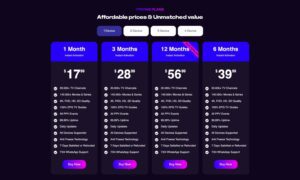
Pricing transparency: Review subscription duration, renewal conditions, additional charges, and refund policies before paying.
Reliability and support: Look for clear setup guidance, accessible customer service, and realistic information about service limitations.
Licensing and legitimacy: Choose providers that have the necessary rights or authorisations to distribute the content they offer in your territory.
Privacy and security: Read the provider’s privacy policy, use secure payment methods, and avoid applications or downloads from untrusted sources.
These checks help consumers make informed decisions and reduce the risk of paying for a service that does not meet their expectations.
The Future of Internet-Based Television
Streaming technology will continue to evolve as internet infrastructure improves and connected devices become more capable. Consumers are likely to keep demanding easier navigation, better personalisation, broader device support, and more transparent subscription options.
At the same time, providers will need to address content licensing, service reliability, customer expectations, and data protection. Sustainable growth will depend not only on the amount of content available but also on the quality, legitimacy, and usability of the overall experience.
For viewers, the most effective approach is to compare available options carefully and choose a service that suits their viewing preferences, location, devices, and budget.
Conclusion
Internet-based television has broadened the ways people discover and watch international programming. From connected televisions to flexible streaming setups, technology gives consumers more choices than traditional viewing models alone.
However, the best viewing experience still depends on selecting a suitable service, verifying content rights and availability, checking device compatibility, and maintaining a reliable internet connection. With these factors in mind, audiences can navigate the expanding streaming landscape with greater confidence.