
How Smart Technology Is Transforming Water Storage Infrastructure

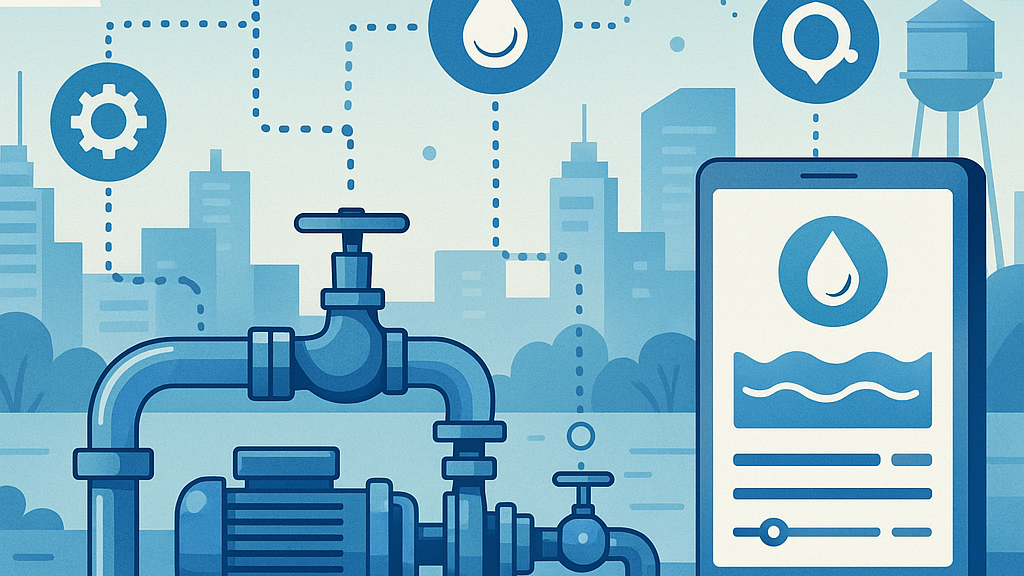
Digital technology is changing how buildings manage essential resources. Smart meters, connected sensors, automated controls, and cloud-based monitoring are increasingly becoming part of residential, commercial, and industrial infrastructure.
Water storage is one area where this transformation can provide practical benefits. Traditionally, storage systems have been largely passive: they hold a reserve and depend on manual inspection to identify problems. Modern technology can add a digital layer that helps facility managers understand levels, usage patterns, leaks, and maintenance requirements more efficiently.
As smart buildings become more common, storage infrastructure is likely to become increasingly connected to the wider building management ecosystem.
From Passive Storage to Connected Infrastructure
Traditional storage systems can operate effectively without digital technology, but monitoring them often requires physical inspection. This can become inefficient when a facility has multiple storage points or when equipment is installed in areas that are difficult to access.
Adding sensors and connected monitoring can provide information without requiring staff to inspect every component manually.
Depending on the system, operators may be able to monitor:
- Stored volume or level
- Consumption patterns
- Unusual changes in usage
- Pump activity
- Potential overflow conditions
- Leakage indicators
- Maintenance history
For large facilities, having this information available through a centralized dashboard can simplify day-to-day management.
IoT Sensors Can Improve Visibility
The Internet of Things has introduced relatively compact sensors capable of continuously collecting operational data.
When monitoring equipment is connected to a water tank, level readings can potentially be transmitted to a local control system or cloud platform. Instead of discovering that storage is unexpectedly low during a manual inspection, facility teams can receive earlier information and respond before the situation affects operations.
The value of connected monitoring is not simply automation. It is visibility.
Knowing what is happening inside an infrastructure system can help teams make better operational decisions.
Detecting Problems Earlier
Small infrastructure problems can become expensive when they remain unnoticed.
A minor leak, unusual consumption pattern, malfunctioning valve, or pump issue may continue for days before becoming obvious. Digital monitoring can help identify abnormal behavior by comparing current readings with expected operating patterns.
Alerts can then prompt technicians to investigate.
This does not eliminate the need for physical inspections. Instead, technology can help maintenance teams focus their attention where it is most needed.
Data Can Support Preventive Maintenance
Maintenance has traditionally followed either a fixed schedule or a reactive model.
With fixed maintenance, equipment is inspected at predetermined intervals regardless of its actual condition. Reactive maintenance waits until something fails.
Connected infrastructure creates another possibility: condition-based maintenance.
Operational data can help facility managers determine when equipment may require attention. Changes in pump cycles, level behavior, flow patterns, or other measurements can indicate that something is operating differently from normal.
Over time, historical data can also help teams understand recurring issues and improve maintenance planning.
Why Storage Material Still Matters
Digital monitoring cannot compensate for poor physical infrastructure.
The underlying storage system still needs to be selected according to capacity, installation environment, structural requirements, intended application, and maintenance expectations.
For larger developments, a GRP tank may be considered where modular construction and corrosion resistance are important project requirements. Other applications may use polyethylene, concrete, steel, or alternative materials depending on technical and operational needs.
Technology should therefore complement good engineering rather than replace it.
Smart Level Monitoring Can Reduce Manual Work
Checking stored levels manually may be simple for a small property, but it becomes more challenging across large buildings, industrial sites, hotels, hospitals, or multiple facilities.
Electronic level sensors can automate much of this process.
A monitoring platform could display current levels and generate notifications when predefined thresholds are reached. Facility managers can then make decisions based on actual conditions instead of relying entirely on scheduled physical checks.
This approach can be particularly useful for organizations managing infrastructure across several locations.
Connecting Storage With Building Management Systems
Modern buildings increasingly use centralized platforms to monitor electrical systems, HVAC equipment, security, lighting, pumps, and other infrastructure.
Storage monitoring can become another part of this connected environment.
For example, level sensors can communicate with pumps or control equipment to help coordinate filling and distribution. Facility teams can monitor performance through the same environment used for other building systems.
The result is a more integrated approach to infrastructure management.
Remote Monitoring Creates New Possibilities
Cloud connectivity can allow authorized users to view operational information remotely.
A property manager responsible for several buildings could potentially monitor storage conditions without visiting each location. Industrial operators could review multiple facilities from a central control room, while maintenance teams could receive alerts when readings move outside expected parameters.
Remote access can be particularly valuable for equipment installed in isolated or difficult-to-reach locations.
However, connected systems should also be designed with cybersecurity in mind. Devices, networks, access credentials, and software platforms need appropriate protection because connected infrastructure can introduce new digital risks.
Technology Can Support Better Resource Management
Digital monitoring can also provide insight into how resources are being consumed.
Historical data can reveal daily, weekly, or seasonal usage patterns. Facility managers can use this information to identify unusual consumption and better understand demand.
For commercial and industrial properties, this data may support operational planning and efficiency initiatives.
It can also help organizations determine whether existing storage capacity remains appropriate as facilities expand or usage patterns change.
Automation Should Include Human Oversight
Smart infrastructure does not mean removing people from the process.
Sensors can fail. Software can produce incorrect readings. Connections can be interrupted, and physical components still require inspection.
The most effective approach combines digital monitoring with professional maintenance.
Technicians should continue checking structural condition, fittings, connections, access covers, foundations, and other physical components according to applicable requirements.
Technology provides additional information, but experienced professionals remain essential for interpreting problems and carrying out repairs.
Planning for Future Expansion
One advantage of connected infrastructure is scalability.
A property may begin with basic level monitoring and later integrate additional sensors, automated controls, dashboards, or analytics tools.
Planning for this possibility during initial installation can make future upgrades easier.
Infrastructure designers should consider sensor placement, power availability, network connectivity, maintenance access, and compatibility with existing building systems.
A modern water tank installation can therefore be planned not only around current storage requirements but also around the possibility of future monitoring and automation.
The Future of Intelligent Storage
The next stage of infrastructure development will likely involve deeper integration between physical equipment and digital intelligence.
Sensors will continue becoming more capable, while analytics platforms can help operators interpret increasingly large amounts of operational data. Automated alerts, predictive maintenance, remote diagnostics, and integration with wider smart-building platforms could make storage management more proactive.
The objective is not to make simple infrastructure unnecessarily complicated. Technology provides the greatest value when it solves a real operational problem, reduces manual work, improves visibility, or helps prevent costly failures.
Final Thoughts
Smart infrastructure is ultimately about combining dependable physical systems with useful information.
Connected sensors and digital monitoring can provide facility managers with greater visibility into storage levels, consumption patterns, equipment behavior, and potential maintenance issues. At the same time, material quality, correct sizing, professional installation, and routine physical inspection remain fundamental.
As buildings and industrial facilities become increasingly connected, water storage is likely to evolve from a largely passive component into a more measurable and integrated part of the infrastructure ecosystem. Organizations that approach this transition carefully can use technology to improve efficiency without sacrificing the reliability of the physical systems on which their operations depend.







Comment