
Why Outdoor Event Planning Needs More Than a Ticket Sales Dashboard

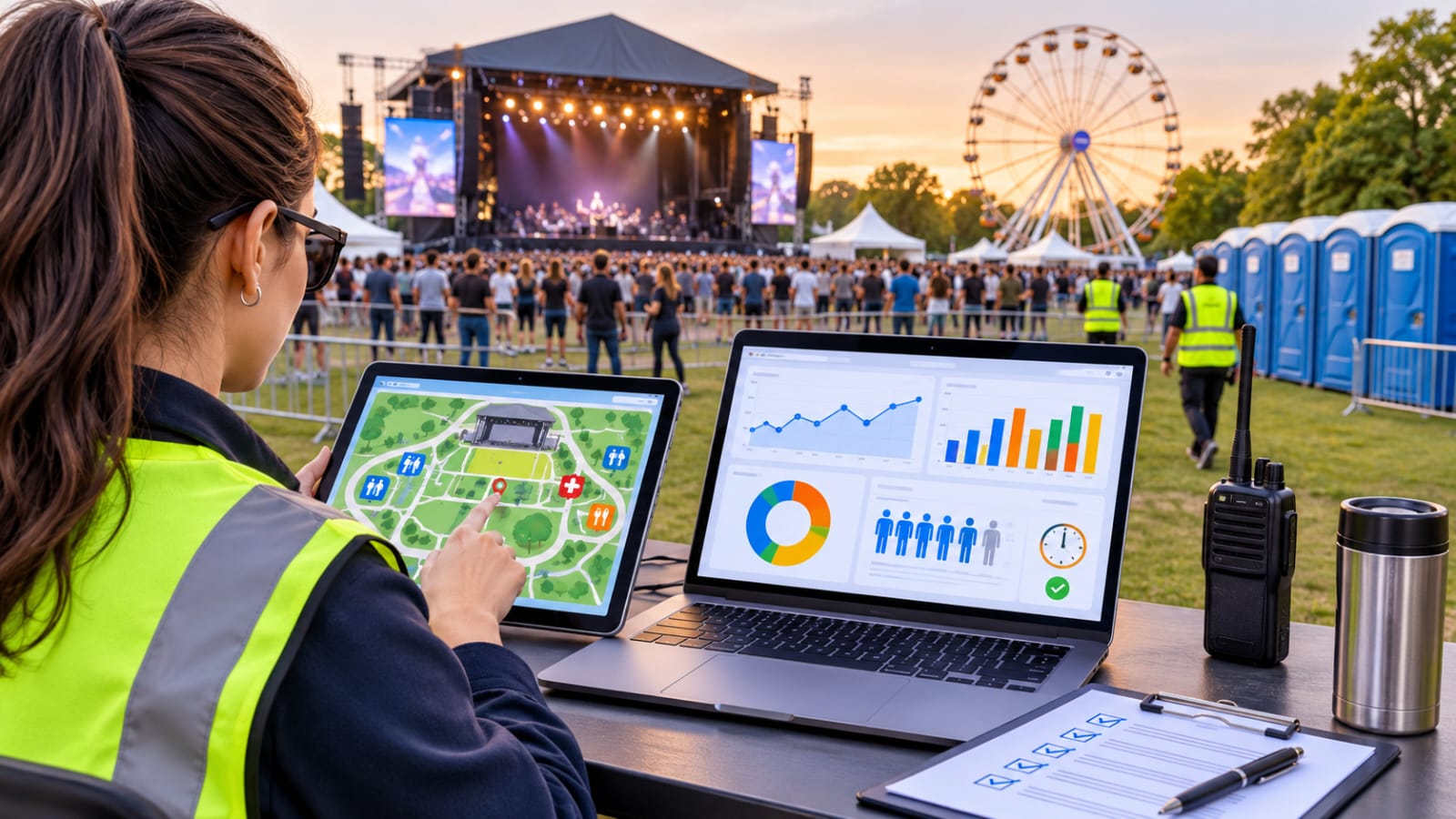
A ticket sales dashboard can tell event organizers how many tickets have been sold, which campaigns are performing well, and how registration numbers are changing. But when it comes to running an outdoor event, sales data only tells part of the story.
It cannot show where queues will form, whether service routes will remain accessible, or if temporary facilities will be able to accommodate peak demand. These operational challenges can have a direct impact on the attendee experience, even when ticket sales exceed expectations.
As event technology continues to evolve, organizers need to look beyond registration metrics and connect digital information with the physical requirements of the venue. The goal is to turn data into practical decisions that help teams coordinate resources, anticipate demand, and keep operations running smoothly.
Turn Ticket Sales Data Into an Operational Demand Forecast
Total ticket sales do not necessarily represent the number of people expected at the venue at any given moment. A festival with staggered arrivals throughout the day has very different operational requirements from an event where most attendees arrive shortly before a headline performance.
Organizers should distinguish between total attendance, expected arrival patterns, staff numbers, vendors, and other people who will use the site’s facilities without appearing in ticketing reports.
The next step is identifying periods when demand is likely to increase. Scheduled breaks, transitions between performances, food service periods, and unexpected weather interruptions can all bring large groups of people together within a relatively short timeframe.
A practical schedule linked to attendance estimates can help operations teams prepare for these fluctuations. It is also important to document the assumptions behind the forecast so that estimates can be updated when event schedules or attendance expectations change.
When arranging portable toilets for outdoor events, organizers should share this operational information with the supplier rather than relying exclusively on the final ticket count. Expected attendance, event duration, peak periods, existing facilities, and servicing requirements all influence the planning process.
Keep estimated requirements separate from confirmed bookings. A shared spreadsheet or event management platform can distinguish between provisional quantities, supplier recommendations, and equipment that has actually been reserved. This simple distinction helps prevent planning assumptions from being mistaken for confirmed arrangements.
Connect Digital Planning Tools With the Physical Venue
A shared digital site plan can become an important coordination tool for outdoor events. Rather than keeping venue information in separate documents and email conversations, organizers can use a centralized layout to show entrances, temporary facilities, delivery points, service routes, and restricted areas.
The plan should include a version date and identify the person responsible for updating it. If an entrance changes or a delivery route becomes unavailable, the revised information needs to reach every department affected by that decision.
However, digital planning should always be checked against the actual venue. A route that looks straightforward on a screen may cross uneven ground, become difficult to access after rainfall, or interfere with an area where guests naturally gather.
Reviewing the layout with venue representatives and suppliers helps identify these conflicts before setup begins.
Technology can also make operational responsibilities more visible. For example, a task involving handwashing facilities should have an assigned owner and a status indicating whether the arrangement is still under discussion, requested from a supplier, or fully confirmed.
Supporting documents and supplier confirmations can be attached to the relevant task. This provides a clearer record than a simple completed checkbox and gives the operations team something concrete to reference when questions arise.
Event technology is already changing how organizers coordinate complex live productions. The growing use of shared platforms and real-time communication is explored in how event technology is transforming live festivals, highlighting the importance of connecting staff, vendors, scheduling, and operational information.
Connectivity should also be considered when selecting digital tools. Outdoor venues may have limited mobile coverage, particularly across large sites or temporary event spaces. Essential contact information, site layouts, and emergency instructions should remain accessible even when internet access is unreliable.
Whether teams use messaging applications, radios, or a dedicated coordination platform, everyone should understand how to report an obstruction, request assistance, or flag a facility that needs attention.
Use Operational Data to Identify Problems Before They Escalate
A successful event management system should do more than collect information. It should help organizers identify problems and determine what action is needed.
During the event, staff can record observations about queue formation, access difficulties, facility usage, and service interruptions. Each report becomes more useful when it includes a location, time, and description of the circumstances.
For example, a temporary facility may provide sufficient overall capacity but still be poorly positioned relative to a busy food area. Looking only at total attendance would not reveal the underlying problem.
Assign responsibility for reviewing operational reports and responding to issues. Someone should have the authority to contact a supplier, request additional support, update signage, or coordinate with the venue team when necessary.
Collecting information in a dashboard without assigning anyone to monitor it does little to improve the attendee experience. The real value comes from connecting an observation to someone who can act on it.
After the event, organizers should compare the original operational plan with what actually happened. Review whether delivery schedules worked, when demand differed from expectations, and which issues required repeated intervention.
Specific observations are particularly valuable when planning future events. Knowing that a delivery vehicle blocked a particular entrance during a busy arrival period, for instance, provides a much clearer basis for improvement than a general note stating that logistics could have been better.
Make Event Technology Part of a Continuous Improvement Process
The most effective use of event technology does not necessarily require a complicated software ecosystem. A reliable shared plan, clearly assigned responsibilities, accessible supplier information, and a straightforward reporting process can already make a significant difference.
Organizers should focus on tools that support actual operational decisions rather than collecting data simply because it is available. Integrating attendance estimates with venue planning, supplier coordination, and real-time reporting creates a more complete picture of what is happening across the site.
This approach also makes post-event analysis more meaningful. Instead of relying on ticket sales and attendee feedback alone, organizers can use operational records to identify recurring challenges and improve resource allocation for future events.
A successful outdoor event depends on much more than how many tickets are sold. By connecting digital planning tools with real-world venue requirements, organizers can make better decisions, coordinate suppliers more effectively, and create a smoother experience for everyone attending.







Comment