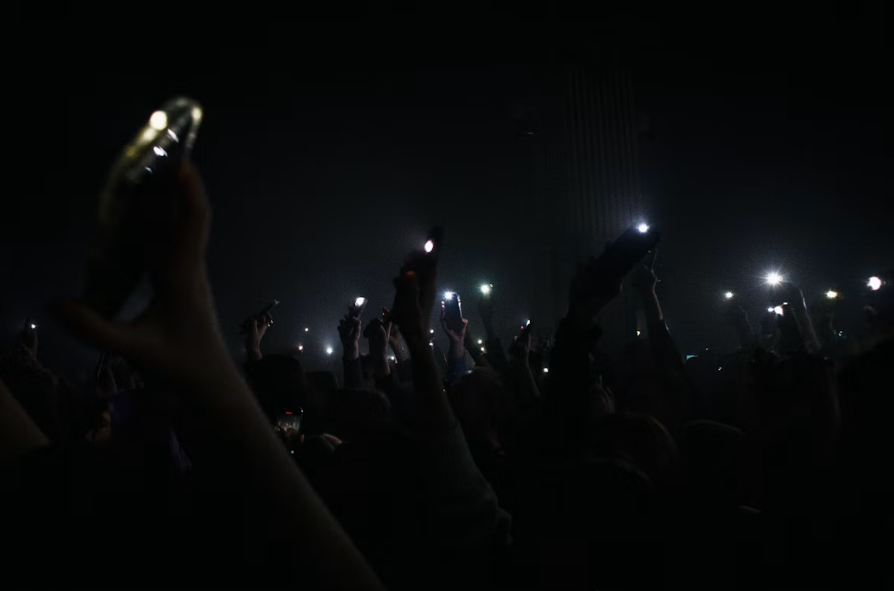
Not that long ago, you went to a concert with your ticket, a rough memory of the band’s big songs and maybe a T-shirt you planned to buy. That was it. The lights went down and you took whatever the band gave you. If they didn’t play the one song you drove two hours to hear, you’d find out when the house lights came back on and everyone started shuffling toward the exits.
Things work a little differently now. Pull out your phone, give it five minutes, and you can see exactly what a band played in Denver last night. Song by song. You’ll even know if they came back for one encore song or three. Doesn’t sound like much, right? But ask a few regular concertgoers and you’ll hear how much it has changed the way they plan a night, listen to the music and enjoy the show.
And honestly, it tells you something about what fans want these days. Tech and fan communities have changed a lot about live music, and the humble set list is a good example.
From Souvenir to Strategy: The New Role of the Set List
For years, a set list was just a piece of paper. Somebody on the crew printed it or scribbled it out, then taped it to the stage floor so the band didn’t lose track. When the show ended, the fans up front would wave their arms and yell at a stagehand, hoping to get one tossed their way. The lucky ones took it home and framed it, sweat marks, coffee rings, crossed-out songs and all.
People still love that souvenir. Nothing wrong with that. What’s new is that the set list gets used before the show too. It used to be the prize you won at the end. Now plenty of fans treat it like a game plan.
They pull up a few recent shows from the same tour and get a pretty good feel for the night. Which new songs made the cut. Where the big crowd singalong usually falls. How long the whole thing runs. Nobody is trying to ruin the surprise here. They just like walking in prepared.
How Fan-Sourced Platforms Track Songs Night to Night
Here’s the part a lot of people don’t realize. Record labels and tour managers aren’t the ones posting most of this stuff. Fans are. Take Setlist.fm. It’s basically one giant shared notebook for live music. Someone at the show logs what got played, someone else fixes a mistake or confirms the order, and after enough years you end up with a huge archive of tours going way back.
You’d think crowd-sourced info would be all over the place. It usually isn’t. Once a tour has been on the road for a few weeks, the order of songs doesn’t change much from one city to the next. That makes sense when you think about it. The lighting cues, the video screens and the stage moves are all built around a running order, so bands don’t shake it up much. Sure, you’ll get the odd swap. A song might get cut on a night with a strict curfew. A band might throw in a cover just for fun. But most nights look a lot like the night before.
Other tools have popped up around all this, too. Some streaming apps can turn a recent show into a playlist. Fan forums dig into tour stats, like which songs get played the most, or which rare track showed up once in Ohio and never came back. If you’re the type who loves that kind of detail, good luck getting to bed on time.
Practical Benefits: Timing, Encores and Discovering Deep Cuts
Most of the benefits are pretty down to earth. Dan Rodgerson has spent his career producing concerts and community events, and he lays it out nicely in his piece on the value of the set list. His basic point? A set list can be more useful before the show than after it.
Think about all the little choices you make at a concert. When can you grab a drink without missing a song you care about? Does this band usually do a long encore, or a quick one before the lights come up? Got work at 7 a.m.? Then you’ll want to know if leaving a bit early means missing the biggest hit of the night. Look at a couple of recent shows and you’ve got your answers.
Rodgerson shares a funny moment from a Barry Manilow show in Las Vegas. He’d stepped out for a minute and was still on the stairs when he heard the first line of “Mandy.” That slow, easy walk back to his seat turned into a much quicker one. If you’ve ever hurried back from the concession stand because you heard the opening notes of a favorite song, you know the feeling.
The bigger payoff is the music itself, though. Pretty much every artist mixes the hits with some newer songs and a few album tracks most people don’t know. For a casual fan, those songs can feel like filler. You’re just waiting for the next one you recognize. Give them a listen a few times before the show and that changes. The intro sounds familiar. You catch the lyrics. And suddenly a song you would’ve tuned out ends up being one of your favorite parts of the night.
It’s also good for newer fans. A lot of people go see a band thinking they know four or five songs, then realize halfway through that they actually know ten. They’d just never connected the songs to the band.
Concert Etiquette in the Smartphone Era
Now for the catch. Staring at your phone during a show can come off as rude, especially if you’re near the front. Lots of people figure the band can’t see past the stage lights. Not true, most of the time. Performers can usually see the first several rows just fine, and they notice who’s singing along and who’s lost in a screen.
A few easy habits help:
- Screenshot the expected set list before the doors open. That way you’re not loading a website in the middle of the show.
- Turn your brightness way down and just take a quick peek. No scrolling.
- When the big songs hit, put the phone away and enjoy them.
- Keep in mind the list is a guide, not a promise. Let the band surprise you a little.
Do it that way and the set list stays in the background where it belongs. It helps the night along without getting in the way.
Does Knowing the Set List Spoil the Show?
This is the question people ask most, and it’s a fair one. Half the fun of live music is not knowing what’s coming.
But a concert is a lot more than a list of song titles. You can’t put the feel of the room on a list. Or the stories the singer tells between songs, the guitar solo that goes on twice as long as usual, or that moment when the crowd gets louder than the band. Knowing a song is coming doesn’t tell you what it’ll feel like when it starts. If anything, you might enjoy it more, because you’re ready for it instead of wondering when it’ll show up.
And if you’d rather go in blind? Totally fine. Skip the homework. What’s changed is that fans get to decide for themselves.
Why Event Professionals Pay Attention to the Guest Experience
People who work in live events should pay attention to this. It shows that audiences like having a bit of control over their own night. They want to make smart choices about timing, comfort and how they spend the evening. Good venues already think this way. It’s the same reason you see clear signs, short bathroom lines and concession stands in sensible spots.
You can see this thinking in Rodgerson’s other writing. His concert reviews tend to zero in on the small things that shape how a show feels from the seats. Song choices. Pacing. The vibe of the venue. It’s a good reminder that a great concert isn’t only about who’s on stage. It’s also about all the little things that help the audience connect with what’s happening up there.
Venues and promoters who get this usually end up with more loyal fans. When people feel ready and comfortable, they loosen up, they get into the show and they come back for the next one.
A Small Tool With a Big Effect
The set list has come a long way from a sheet of paper taped to the stage. Thanks to fans who log every show and a handful of simple apps, it now helps people find new music, plan their night and get more out of every concert they go to.
That handwritten copy you snag at the end of the night still deserves a spot on the wall. But the one you check quietly before the lights go down might be the one that makes your night. Sometimes it’s the only thing standing between you and missing the one song you came for.