
How Professional Home Inspections Can Prevent Pest Infestations

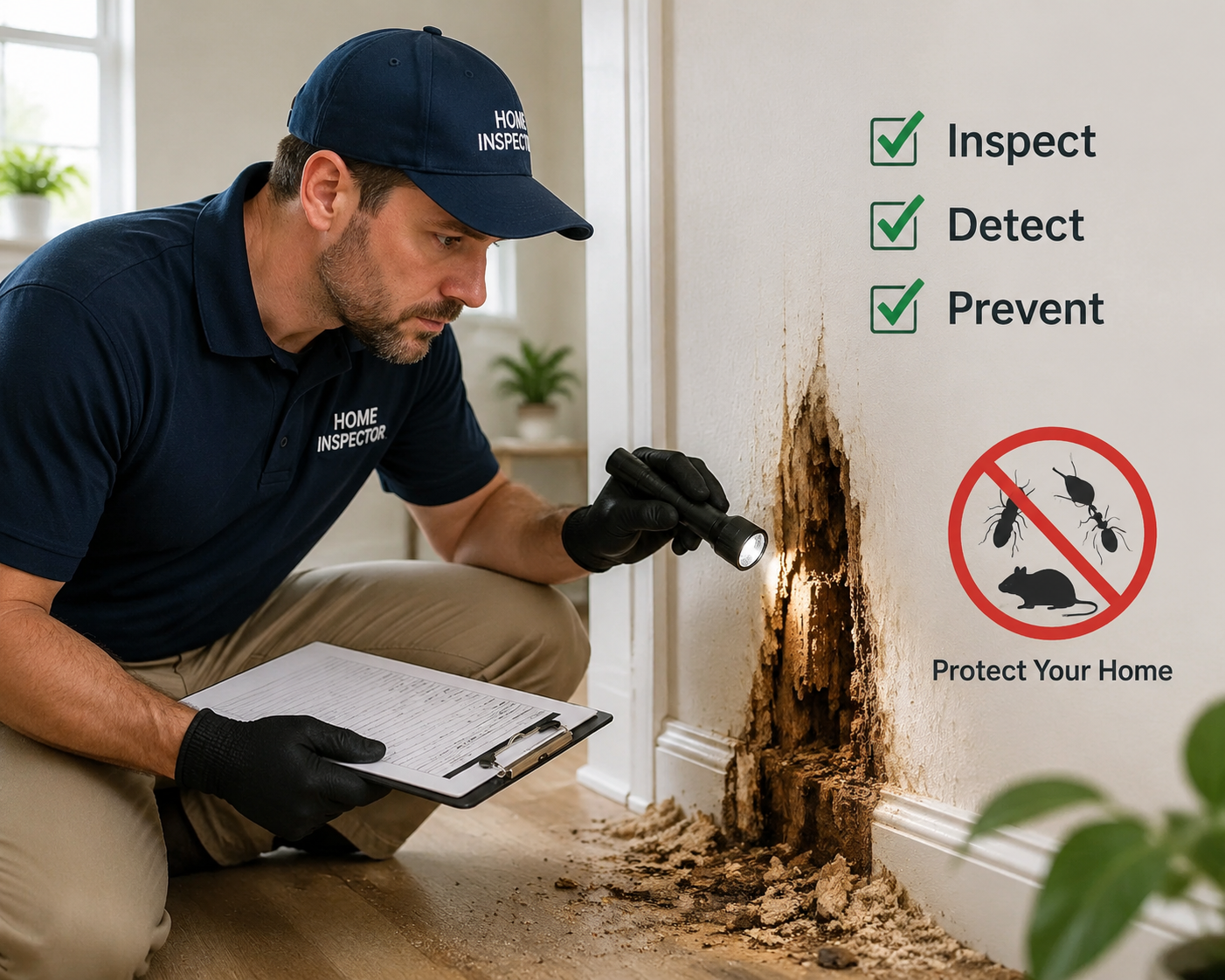
Buying or maintaining a home comes with many responsibilities, and one that is often overlooked is pest prevention. While it may seem minor, early detection of potential infestations can save homeowners significant time, money, and stress. Implementing effective home inspection tips is essential to catch issues before they escalate. From structural weaknesses to hidden moisture spots, thorough inspections can reveal vulnerabilities that attract pests.
This guide explores how professional home inspections can protect your property and outlines actionable steps for proactive pest management.
Understanding the Role of Home Inspections in Pest Prevention
A professional home inspection goes beyond checking walls and roofs; it identifies areas where pests might enter or thrive. Many homeowners attempt DIY checks, but trained inspectors bring expertise, tools, and knowledge of common pest behaviors. For comprehensive coverage and expert guidance, consider consulting a professional in Virginia pest control.
Identifying Entry Points
During an inspection, the evaluator examines potential access points for pests:
- Cracks in foundations or walls
- Gaps around windows and doors
- Damaged roofing or missing shingles
- Unsealed vents and utility openings
Pro Tip: Even tiny gaps around pipes or wiring can allow rodents or insects to enter. Inspectors measure and document these areas for targeted prevention.
Spotting Moisture Issues
Pests are drawn to damp environments. Inspectors often check for:
- Leaky pipes under sinks or in basements
- Poor drainage around foundations
- Clogged gutters or roof leaks
A thorough property pest audit includes identifying these moisture-prone zones, which are prime locations for termites, carpenter ants, and other wood-damaging insects.
Common Signs of Infestations
Even before visible damage appears, trained inspectors can detect subtle indicators. Recognizing these early signs can prevent full-blown infestations.
Termite and Ant Activity
- Mud tubes along walls or foundations
- Hollow-sounding wood when tapped
- Small piles of sawdust-like frass near wooden structures
Rodents and Small Mammals
- Chewed wires or insulation
- Droppings near food storage areas
- Scratch marks or gnaw patterns on doors and baseboards
Insects and Other Pests
- Dead insects in unusual spots
- Stains from urine or excrement
- Unusual odors in closed spaces
Note: Early detection of even minor signs can drastically reduce the need for costly extermination later.
Integrating Home Inspection Tips for DIY Monitoring
While professional inspections are invaluable, homeowners can also adopt preventive measures between scheduled visits. Here’s how to integrate inspection tips into routine checks:
| Area of Focus | DIY Check Tips | Frequency |
| Exterior | Examine foundation cracks, siding, and roof shingles | Monthly |
| Plumbing | Check under sinks, behind appliances, basement for leaks | Monthly |
| Attic & Crawlspaces | Inspect insulation, vents, and signs of droppings | Quarterly |
| Garage & Storage | Look for cluttered areas, wood piles, and moisture | Quarterly |
Quick Fact: According to the National Pest Management Association, early detection of pest activity can prevent up to 80% of potential structural damage.
Implementing Routine Pest Prevention Strategies
- Seal cracks and gaps around windows, doors, and vents
- Maintain proper drainage and remove standing water
- Keep wood and debris away from the foundation
- Regularly inspect stored items for insects or rodents
Even simple habits, when combined with professional inspections, form a strong defense against infestations.
When to Call in Professionals
DIY inspections are helpful, but some situations require expert intervention. If you notice persistent activity or cannot identify the source, it is time to consider professional termite control services or local Virginia pest control providers. Professionals have the equipment, chemicals, and experience to safely and effectively manage infestations before they escalate.
Benefits of Professional Intervention
- Access to tools like moisture meters, infrared cameras, and borescopes
- Expertise in identifying pest types and lifecycle stages
- Tailored solutions that minimize chemical use while maximizing safety
Do You Know? Many homeowners spend thousands fixing structural damage caused by pests that could have been prevented with early inspections.
Seasonal Considerations in Pest Prevention
Pests behave differently depending on the season. Inspectors consider these variations to ensure comprehensive protection.
- Spring: Termites and ants begin active colony building
- Summer: Rodents seek cooler indoor spaces
- Fall: Insects and wildlife look for winter shelter
- Winter: Rodents and insects continue indoor activity near heat sources
Pro Tip: Scheduling inspections before seasonal shifts helps homeowners prepare and implement timely preventive measures.
Key Takeaways
- Home inspection tipshelp identify structural and environmental vulnerabilities that attract pests.
- Early recognition of signs of infestations can prevent costly damage.
- A combined approach of professional inspections and DIY checks strengthens long-term pest prevention strategies.
- Moisture control, sealing entry points, and regular monitoring are critical components of a property pest audit.
- Engaging experts when needed ensures effective treatment without risking further damage.
Endnote
Investing in regular, professional home inspections is not just about safety—it is about protecting the value of your property and ensuring peace of mind. Homeowners who proactively monitor, maintain, and address potential pest threats significantly reduce the likelihood of infestations. Incorporating home inspection tips into your routine, understanding seasonal pest behaviors, and taking early action can keep your home safe and pest-free for years to come.
FAQs
1. How often should I schedule a professional home inspection for pest prevention?
Most experts recommend at least once a year, with additional inspections if you notice signs of infestation or after significant weather events.
2. Can DIY pest inspections replace professional inspections?
DIY inspections are helpful for routine monitoring, but professionals bring specialized tools and expertise to detect hidden or early-stage infestations.
3. What are the most common signs of termite activity?
Look for mud tubes, hollow-sounding wood, and small piles of sawdust-like frass near wooden structures.
4. Are moisture issues really that important in pest prevention?
Yes. Moist environments attract many pests, including termites, ants, and rodents. Identifying leaks and drainage problems is essential for prevention.
5. What should I do if I detect pests during a home inspection?
Act promptly. Small infestations can escalate quickly. Consider contacting trained professionals for evaluation and treatment.
Protect your home before pests cause damage. Schedule a thorough inspection today and combine proactive home inspection tips with expert guidance to keep your property safe and secure.






Comment