For a small brand, packaging and fulfillment can quickly become one of the most time-consuming parts of running a business. As orders increase, manually preparing stickers, labels, and shipping information can create unnecessary delays. Printing materials only when they are needed can make the process more flexible and easier to manage.
On-demand printing allows small businesses to produce packaging materials as orders come in instead of maintaining large quantities of pre-printed materials. This approach can be especially useful for brands that frequently introduce new products, change packaging details, or process orders in varying quantities.
Why On-Demand Printing Makes Sense for Small Brands
Large companies may have dedicated packaging departments and established printing systems, but smaller brands often work with limited space, staff, and budgets. Keeping excessive packaging inventory can also become inconvenient when product information or branding changes.
On-demand printing offers a more adaptable approach. A business can print the specific stickers or labels required for the current batch of orders, helping reduce the need to store large quantities of printed materials.
This can be particularly useful for handmade businesses, online sellers, subscription brands, and small product companies where every order may require slightly different packaging.
Product Stickers Can Be Printed When They Are Needed
Product stickers can serve several purposes during fulfillment. They can identify products, add branding to packages, provide organizational information, or give packaging a more personalized appearance.
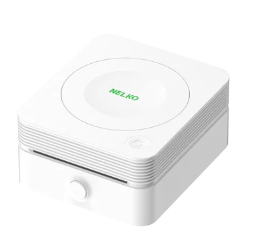
A portable sticker printer can be useful when a small business needs to create stickers directly at its workspace. Compact thermal printers such as the NELKO PM230 are designed for black-and-white printing and do not require ink, toner, or ribbons. This makes them convenient for businesses that regularly need small batches of stickers or other thermal prints.
Because the printer can be used through a mobile device, a business owner can prepare and print designs as needed rather than relying on a separate printing service for every small packaging task.
Shipping Labels Can Keep Fulfillment Moving
Product stickers are only one part of the fulfillment process. Shipping labels are another essential component, and preparing them efficiently can help businesses move completed orders from the packing area to the carrier more quickly.
A Bluetooth shipping label printer can provide a convenient way to produce shipping labels without relying on a traditional office printer. The NELKO PL70E is designed for thermal shipping-label printing and uses Bluetooth connectivity, making it suitable for businesses that want a dedicated printer for their shipping workflow.
Having a dedicated shipping-label printer can also separate shipping tasks from other everyday printing needs. Once an order is ready, the business can print its shipping label and attach it directly to the package.
Printing Only What the Business Needs
One of the biggest advantages of on-demand printing is flexibility.
A small brand may sell several products but only receive a handful of orders for each one. Ordering thousands of pre-printed labels or stickers may not make sense in that situation. On-demand printing allows packaging materials to be produced in smaller quantities according to current demand.
It can also make packaging changes easier. If a business updates its branding, introduces a new product, or changes product information, it does not necessarily have to use up a large stock of outdated printed materials before making the switch.
A Simpler Packaging Workflow
On-demand printing can become part of a straightforward fulfillment routine:
- Receive and confirm the customer order.
- Prepare the product and packaging.
- Print any required product stickers or organizational labels.
- Package the order.
- Print the shipping label.
- Attach the shipping label and prepare the package for pickup or drop-off.
Keeping printing close to the packing station can reduce unnecessary movement between different work areas. For small teams, even these small improvements can make repetitive fulfillment tasks easier to handle.
Useful for Growing Businesses
Small brands often change their processes as order volume increases. A workflow that works for ten orders per week may become inefficient when the business starts processing dozens or hundreds.
On-demand printing provides room to adapt. Instead of building a complicated printing operation immediately, a business can use compact printers for specific tasks and expand its setup as its fulfillment needs grow.
The goal is not necessarily to automate every part of packaging. Rather, it is to remove avoidable steps so that business owners can spend more time on products, customers, marketing, and growth.
Final Thoughts
For small brands, faster fulfillment often comes from improving several small steps rather than making one major change. Printing packaging materials when they are needed can help businesses stay flexible, reduce unnecessary printed inventory, and keep frequently repeated tasks organized.
A compact printer for stickers and a dedicated printer for shipping labels can each serve a different role in the packaging workflow. Together, they can give small businesses a practical way to manage packaging and fulfillment as order volumes change.