
How mobile commercial kitchens deliver restaurant-quality meals in extreme environments

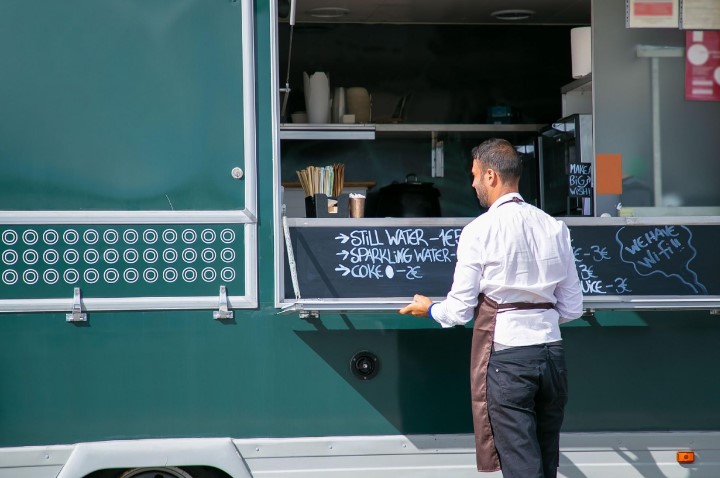
Executing a restaurant-caliber menu outside a permanent brick-and-mortar building challenges even seasoned hospitality teams. You face unpredictable weather, tight footprints, and zero built-in utility hookups when serving guests in remote fields or temporary event venues.
Bringing high-end dining to these extreme environments requires specialized mobile equipment, disciplined prep workflows, and versatile culinary leadership. With the right rolling infrastructure and prep strategy, your team can serve unforgettable, scratch-cooked food anywhere on the map.
What goes inside a modern mobile commercial kitchen?
Stepping inside a modern mobile kitchen trailer feels much like walking onto a streamlined restaurant line. Engineers pack heavy-duty appliances into a compact, road-ready footprint so your chefs never sacrifice cooking power for portability. You get full-size convection ovens, commercial flat-top grills, deep fryers, and multi-burner ranges bolted securely into stainless steel workspaces.
Temperature control stays reliable even during summer heatwaves or winter freezes. Walk-in coolers and freezers sit right alongside prep tables, keeping raw proteins and fresh produce at safe holding temperatures from load-in to breakdown. Dedicated three-compartment sinks, handwashing stations, and on-board water tanks allow your staff to follow strict health codes without relying on local plumbing.
Smart equipment layouts maximize tight spaces
Every inch counts when your culinary team works shoulder-to-shoulder inside an 8-foot-wide trailer. Smart kitchen designers arrange cooking suites along one wall and cold storage along the opposite side to create a smooth, straight-line workflow. Your line cooks can pivot from a chilled prep rail directly to a searing grill without crossing paths or bottlenecking service.
Why does induction technology matter in off-grid kitchens?
Power management makes or breaks off-grid culinary operations because generators have strict wattage limits. According to Your Kitchen Center, induction cooking reaches up to 90% energy efficiency while keeping ambient kitchen temperatures lower and giving chefs exact heat control. Your staff stays cooler during grueling shifts, and your generator burns far less fuel over a multi-day deployment.
How do chefs engineer menus for diverse remote events?
Building a menu for a mobile unit takes more than copying dishes from a stationary restaurant. You must balance culinary ambition against storage capacity, prep time, and service speed. Experienced event chefs design versatile menus where core ingredients cross-utilize smoothly across multiple courses or meal periods.
Whether you need an upscale plated corporate gala or hearty multi-shift workforce meals, smart prep keeps flavor at the forefront. You can explore how full-service hospitality teams scale these capabilities when you visit Cotton Culinary for corporate, event, and remote dining inspiration. Starting with scratch-made stocks, slow-braised meats, and fresh seasonal vegetables guarantees rich flavor that holds up beautifully under pressure.
Batch prep vs. à la minute execution
Success on the road depends on dividing labor between advance commissary prep and final on-site firing. Your team should handle time-consuming tasks like butchery, marinating, and baking before the trailer ever leaves the lot. On site, your cooks focus strictly on high-impact finishing touches like searing steaks, tossing fresh salads, and plating hot entrees to order.
Key steps for mobile prep discipline
- Standardize container sizing:Pack prepped ingredients in uniform, stackable hotel pans so every cooler shelf holds maximum volume without wasted air gaps.
- Label with shift codes:Mark every pan with the exact meal service and reheating instructions to prevent confusion during late-night or early-morning shifts.
- Pre-portion garnishes:Pack delicate herbs, sauces, and finishing salts in squeeze bottles or small deli cups so line cooks can plate hundreds of dishes in minutes.
- Stage dry goods early:Load non-perishable spices, oils, and paper goods into secure overhead bins before chilling the main refrigeration units.
How do you coordinate full-service event execution?
Running a seamless remote dining event starts weeks before your trailer rolls onto the job site. You begin by hosting custom menu tastings to align flavors, portion sizes, and presentation styles with your client’s exact vision. During the planning sessions, your culinary leads map out strict protocols for allergen management, vegan requests, and religious dietary accommodations.
Choosing mobile infrastructure protects your event budget from massive temporary construction bills. Research from the National Restaurant Association shows that renting mobile kitchens costs 60% to 75% less than building equivalent temporary cooking structures from scratch. You save capital on permits and framing while gaining an immediate, health-department-ready workspace.
Managing on-site service and rapid breakdown
Once the trailer arrives on location, your crew levels the chassis, connects power and water lines, and fires up the ventilation hoods within hours. Clear communication between front-of-house servers and the trailer pass window keeps plated courses moving at a brisk, restaurant-grade pace. When the final guest finishes dessert, your team sanitizes all stainless surfaces, secures loose equipment, and hauls the entire kitchen away cleanly.
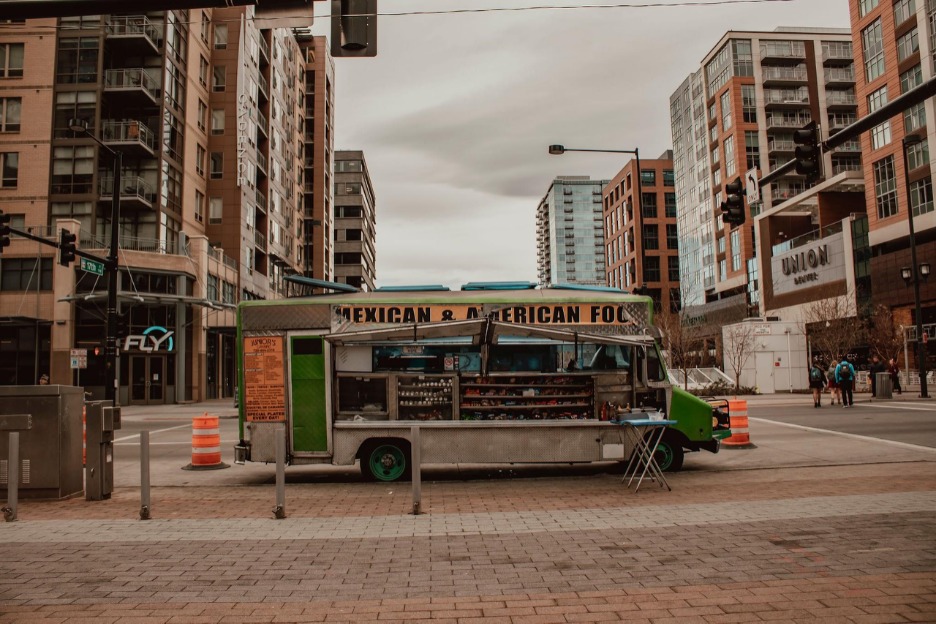
Combining commercial-grade mobile kitchen infrastructure with seasoned chef craftsmanship makes high-caliber dining possible in virtually any indoor or off-grid venue. You no longer have to settle for lukewarm catering trays or limited box lunches when hosting events far from city centers. With disciplined prep and the right rolling equipment, your team can deliver memorable, scratch-cooked hospitality wherever people gather.
Previously in Lending: One Payment Plan Publishes Guide on Negotiating Debt Settlement Without a Settlement Company




Comment