
How Journalists Can Vet Experts Faster as Fake Sources Spread

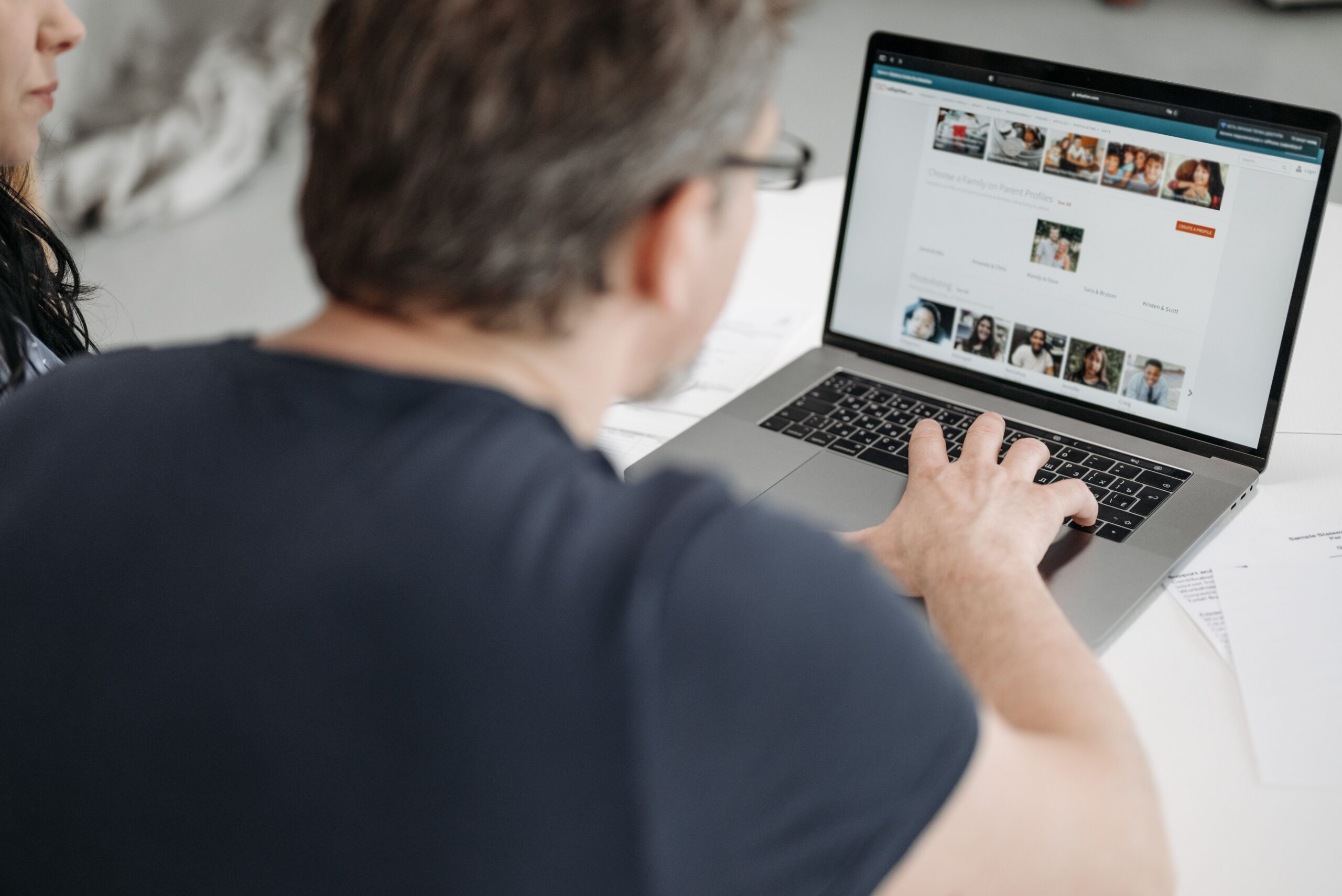
Finding an expert is often the easy part. Determining whether that person is real, whether their credentials check out, and whether they are actually qualified to comment on a topic can take considerably longer.
That challenge is becoming more important as AI makes it easier to create convincing professional profiles, headshots, biographies and commentary at scale.
Recent reporting from Press Gazette illustrates the problem. In January 2026, the publication identified more than 50 apparently fake experts who had appeared more than 1,000 times across newspapers, magazines and online publications.
A February 2026 Press Gazette investigation examined 250 articles quoting experts across five UK newsbrands and found a number of sources who did not exist, could not be tracked down or verified online, or were not named in the article.
For journalists working on deadline, that creates a difficult balance. Source vetting is essential, but manually investigating every unfamiliar expert can add significant time to the reporting process.
Look for signals that are harder to fake
Basic checks such as LinkedIn and a company website are a starting point. The more useful question is whether the different pieces of an expert’s professional identity line up.
A few signals can provide additional context:
Check for consistency across sources. Does the expert’s name, company, title and professional history appear consistently across LinkedIn, company websites, author pages and other professional profiles? Inconsistencies are worth investigating, particularly when they involve core credentials.
Look for a history, not just a profile. An expert with years of published work, conference appearances, professional memberships or other activity is easier to evaluate than a profile that appears to have been created recently. Search for evidence that existed before the current news cycle.
Verify the connection to the company. If someone claims to represent an organization, look beyond their own website or LinkedIn profile. A company staff page, leadership page or other first-party source can help confirm the relationship.
Test the credentials. Credentials that sound impressive should be independently verifiable. Search for the awarding institution, professional association, publication or other organization behind the claim rather than relying solely on the expert’s biography.
Consider how much information is independently available. A real expert may have a limited online presence, but multiple independent references can make an unfamiliar source easier to assess. The goal is not to find one definitive proof of credibility, but to build enough context to make an informed decision.
Tools can provide additional context
Journalists can also use platforms and databases that organize professional information or provide additional signals about potential sources.
ExpertFile provides expert profiles containing information such as qualifications, publications and media experience, with experts added through relationships with knowledge-based organizations.
Muck Rack maintains a large database of media professionals and can help journalists research an expert’s media history and previous coverage.
Connectively has incorporated similar information directly into its source profiles through Verification Signals. Rather than assigning an expert a single “verified” label, the platform displays specific information it has confirmed about a profile.
Depending on the profile, journalists may see signals showing that:
- A matching identity was found in a professional database
- The profile email matches the expert’s name and company domain
- A LinkedIn profile has been provided and matches professional information
- An external professional verification link has been provided
- The profile photo appears to show a real person
- The company name matches the linked website
The advantage of this approach is that journalists can see several pieces of information in one place before deciding whether a source warrants further investigation.
Verification should support, not replace, editorial judgment
No profile badge, database record or verification system can establish that an expert is qualified to answer every question they receive. A professional database match does not prove subject-matter expertise, a company email does not prove someone’s credentials, and a LinkedIn profile can be inaccurate.
The value of these checks is in the combined picture they provide. When multiple independent signals point to the same professional identity, journalists have more information to work with before deciding whether a source is worth pursuing.
That matters as fake and AI-generated experts become easier to create and harder to spot. Better source verification helps journalists reduce the risk of publishing questionable information, while spending less time figuring out whether an unfamiliar source is real.
The goal is not to eliminate due diligence. It is to make the first stage of that due diligence faster, more informed and easier to act on.






Comment