Upgrading windows involves severe weather protection and seasonal comfort. Most people buy tough glass to protect their property from flying debris during major storms. Standard glass shatters easily, creating major safety issues during high winds. High-performance windows protect against extreme weather events and act as a strong barrier against regular outdoor elements.
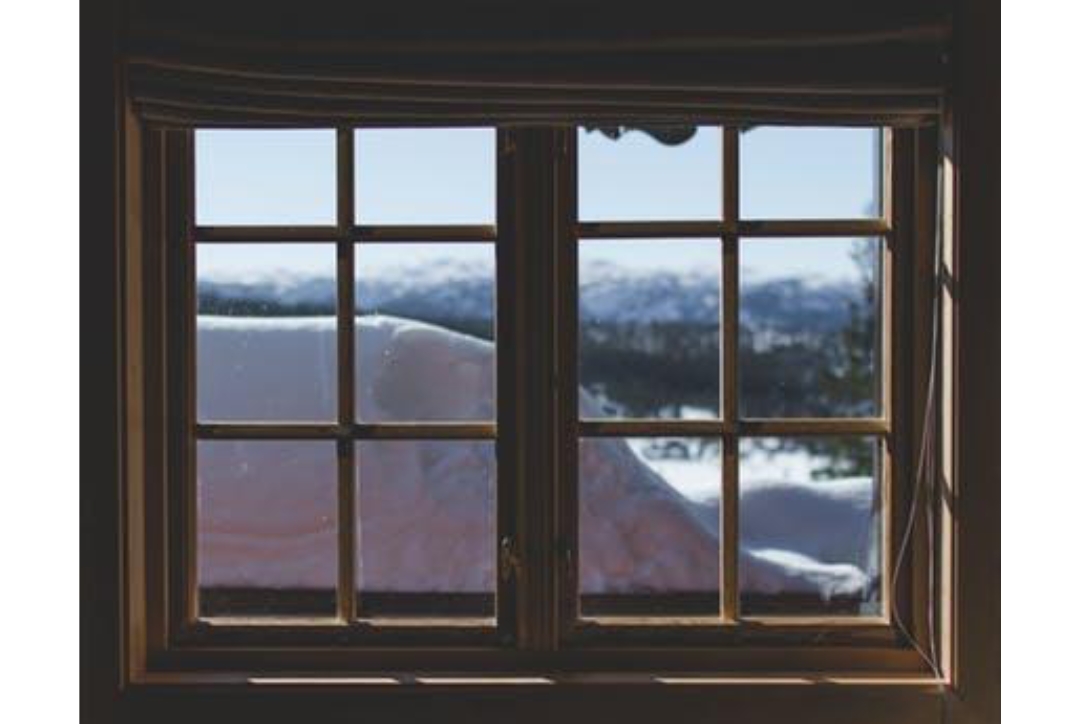
The Mechanics Of Thermal Protection
Homeowners want smart upgrades that secure the house structure and lower electric bills. When choosing impact glass, working with a company backed by combined 25 year industry experience can make a noticeable difference in both installation quality and long-term performance. Thick glass panes trap air or gas inside heavy frames to slow temperature shifts.
Air conditioners work hard when heat creeps through thin window surfaces. Traditional options let outside heat warm up indoor spaces quickly. Modern setups block outdoor heat, as this maintains coolness during hot seasons.
Thick frames prevent outdoor drafts from altering interior temperatures. Heavy vinyl or aluminum structures create tight seals against the building walls. Both materials resist warping under intense summer sun exposure.
Understanding Advanced Glazing Leadership
Glazing choices determine how much external warmth penetrates the living space. The double glazing segment held 49.2% of the energy-efficient windows market revenue in 2025. The data shows a massive shift toward multi-pane options globally. Homeowners select these options to block extreme temperatures.
Insulated glass units feature multiple layers separated by spacers. Manufacturers fill the gaps with argon gas to minimize conduction. Heavy frames support the dense glass layers tightly. The dense materials keep cold air inside during the hot summer months.
Single-pane windows struggle to handle severe climate fluctuations. Double panes form an insulating cushion that dampens outside heat waves. The specialized design prevents thermal energy from traveling straight into rooms.
The Role Of Specialized Soft Coatings
Microscopic metallic layers applied to glass surfaces alter thermal performance significantly. Soft-coat technology led with 61.93% of the energy-efficient glass market share. The report projected steady growth with a 5.72% compound annual growth rate through 2031. Silver layers reflect infrared heat away from the house structure.
Visible light passes through the glass easily without bringing intense heat along. Furniture avoids fading from harsh ultraviolet radiation over extended periods. Cooling systems run less frequently when indoor temperatures remain stable. Lower run times extend the lifespan of expensive HVAC equipment.
Low-emissivity coatings redirect solar warmth backward into the atmosphere before it touches interior air. Homeowners won’t experience greenhouse effects indoors and still get a bright environment.
Combating Household Heat Loss
Windows represent a primary vulnerability in home thermal insulation. About 18% of heat loss in residential properties is attributed to windows. The same document clarified that old glazing could be responsible for up to 10% of total energy loss in a house. Replacing weak glass repairs these weak spots instantly.
Single-pane windows struggle to maintain internal climate conditions. Air drafts slip past worn seals and cold glass panes continuously. Upgrading to heavier glass elements eliminates draft areas. The home stays comfortable during seasonal weather shifts.
Old frames lose their shape and let outdoor drafts bypass the panes. New structural designs use heavy weatherstripping to lock out wind currents. Sealed window borders stop energy leakage before it costs residents money.
Upgrading Beyond Standard Glass
Standard windows offer very little protection against physical impact or heavy heat. Heavy-duty storm options utilize laminated layers that provide multiple layers of defense. The inner polymer layer stays intact even under heavy pressure. Homeowners experience several immediate advantages after making the switch:
- Sound-dampening traits lower street noise levels
- Laminated barriers resist forced entry attempts from intruders
- Thermal filters block ultraviolet rays from damaging home interiors
Laminated glass holds together tightly when struck by heavy objects. The clear plastic interlayer stretches but resists tearing under heavy impacts.
Long-Term Household Utility Management
Monthly electricity bills drop when modern glass stops thermal transfer. Heavy frames block outside air, and thick panes reflect harsh sunlight away. Homeowners keep hard-earned money in their pockets instead of spending cash on climate control.
Property values rise when buildings feature updated weather protection features. Smart buyers look for structural upgrades that lower future maintenance costs. Investing in heavy glass delivers excellent long-term returns.
Reduced energy usage diminishes the total carbon footprint of a household. Lower power needs relieve strain on municipal electrical grids during peak summer afternoons. Families enjoy lower monthly costs and utilize sustainable home habits.
Protecting Interior Belongings From Sun Damage
Constant exposure to direct sunlight ruins expensive fabrics and hardwood flooring. Ultraviolet rays break down chemical bonds in paint and furniture materials with every passing year. Laminated glass stops these destructive wavelengths from penetrating deep into rooms.
Homeowners rearrange furniture layouts with no need to worry about sun bleaching spots. Art pieces and expensive carpets retain their bright colors for decades. The glass preserves interior investments and lets natural lighting in.
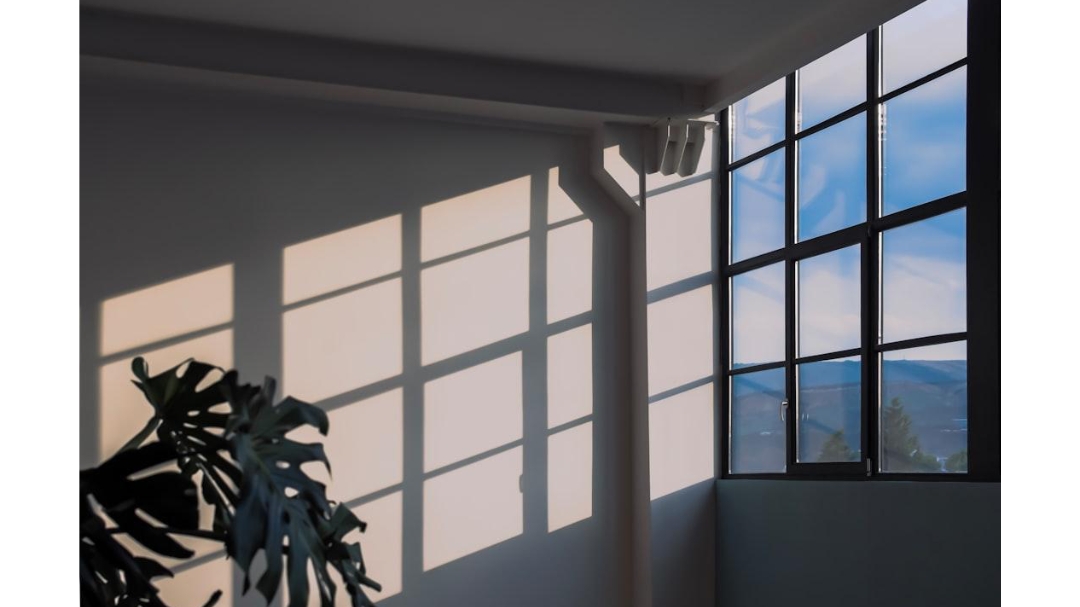
Window upgrades protect properties from extreme storms and lower energy bills. Heavy glass designs control indoor climates without placing excessive strain on cooling systems. The initial investment pays off through lower power bills and increased safety. Choosing tough materials keeps families secure and indoor environments comfortable.